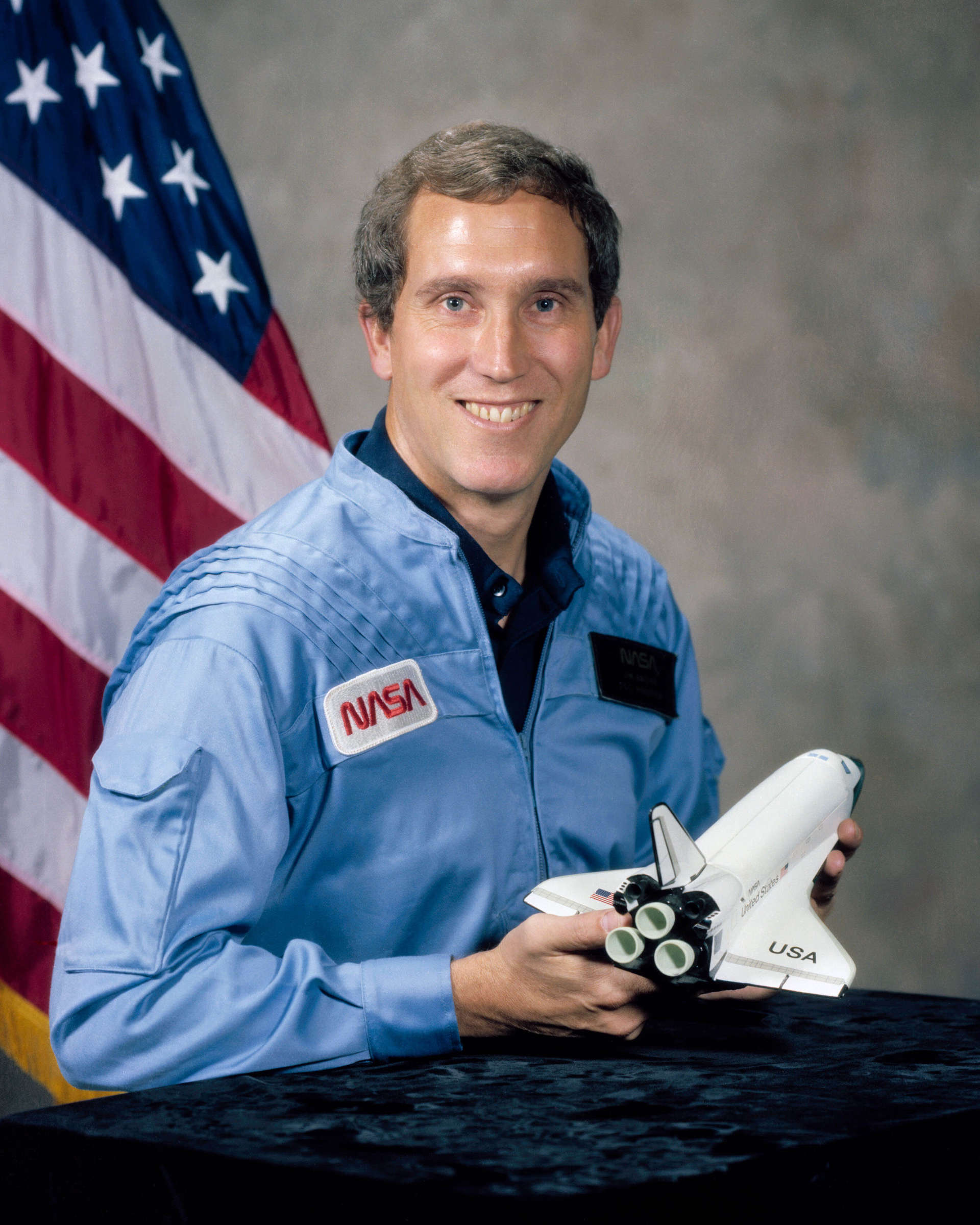
Michael J. Smith
American - (NASA)
Lost In Flight
Date of Birth: April 30, 1945
Date of Death: Jan. 28, 1986
Michael John Smith was an American astronaut—pilot of the Space Shuttle Challenger when it was destroyed during the STS-51-L mission. All seven crew members died.
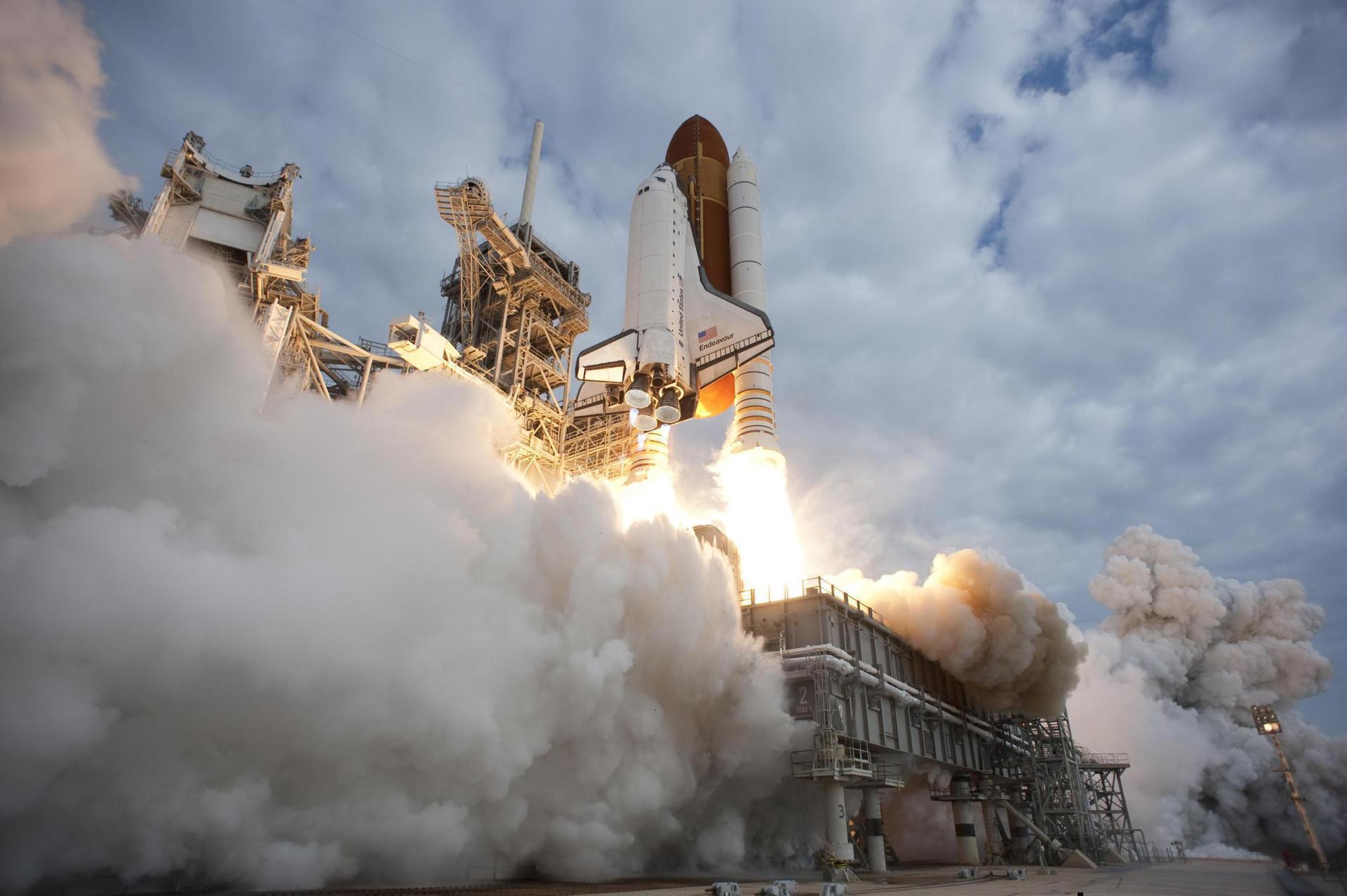
Space Shuttle Challenger / OV-099 | STS-51-L
National Aeronautics and Space Administration | United States of AmericaKennedy Space Center, FL, USA
Jan. 28, 1986, 4:38 p.m.
Status: Failure
Mission:
The tenth mission for Challenger, STS-51-L was scheduled to deploy the second in a series of Tracking and Data Relay Satellites, carry out the first flight of the Shuttle-Pointed Tool for Astronomy (SPARTAN-203) / Halley's Comet Experiment Deployable in order to observe Halley's Comet, and carry out several lessons from space as part of the Teacher in Space Project and Shuttle Student Involvement Program (SSIP).
Low Earth OrbitThe National Aeronautics and Space Administration is an independent agency of the executive branch of the United States federal government responsible for the civilian space program, as well as aeronautics and aerospace research. NASA have many launch facilities but most are inactive. The most commonly used pad will be LC-39B at Kennedy Space Center in Florida.
Long March 2D
SuperView Neo 2-05 & 06
Launch Complex 9 - Taiyuan Satellite Launch Center, People's Republic of ChinaCommercial Synthetic-aperture radar Earth observation satellites built by CAST for China Siwei Survey and Mapping Technology Co. Ltd.
Soyuz 2.1b
16 x Rassvet-3
43/4 (43R) - Plesetsk Cosmodrome, Russian FederationNote: Payload identities uncertain. Batch of 16 Rassvet-3 Low Earth Orbit communication satellites for the Russian Byuro-1440 (Bureau 1440) conste…
Smart Dragon 3
10 x CentiSpace-1
Haiyang offshore launch location - Haiyang Oriental SpaceportChinese commercial small satellites by Beijing-based company Future Navigation for providing GNSS augmentation signals services from LEO. They are pa…
Falcon 9
Starlink Group 10-62
Space Launch Complex 40 - Cape Canaveral SFS, FL, USAA batch of 29 satellites for the Starlink mega-constellation - SpaceX's project for space-based Internet communication system.
Soyuz 2.1a
Progress MS-33 (94P)
31/6 - Baikonur Cosmodrome, Republic of KazakhstanProgress resupply mission to the International Space Station.

