Previous Spaceflight Launches
Filter by Agency, Locations or Vehicles
Show All Launches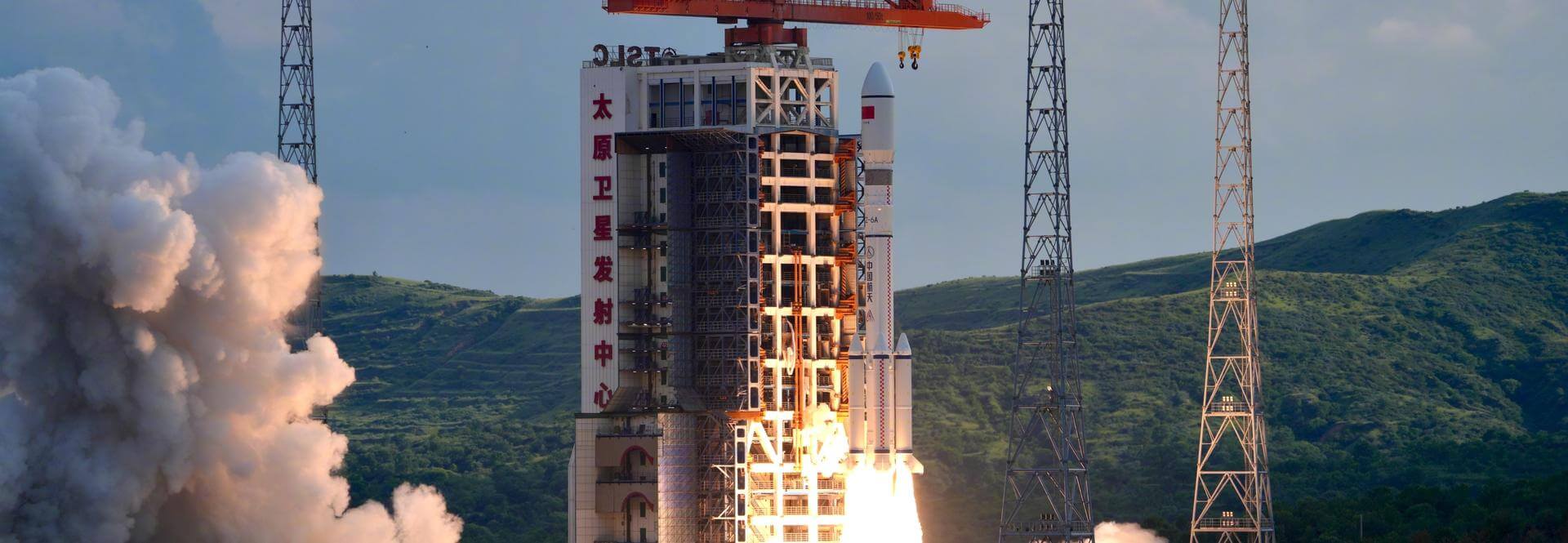
Long March 6A | SatNet LEO Group 21
China Aerospace Science and Technology Corporation | ChinaTaiyuan Satellite Launch Center, People's Republic of China
April 8, 2026, 7:38 p.m.
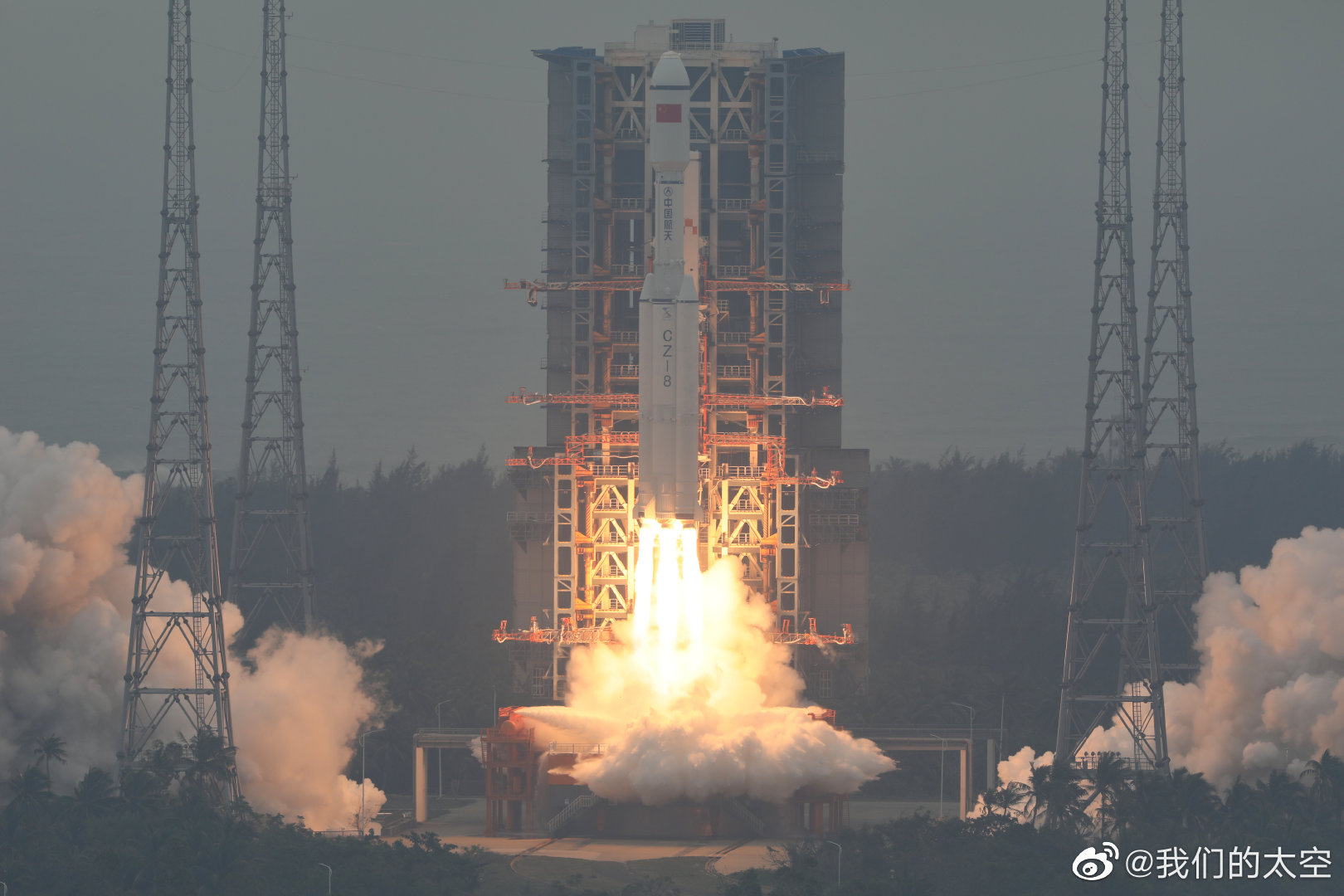
Long March 8 | SpaceSail Polar Group 07
China Aerospace Science and Technology Corporation | ChinaWenchang Space Launch Site, People's Republic of China
April 7, 2026, 1:32 p.m.
Status: Launch Successful
Mission:
18 Low Earth Orbit communication satellites with Ku, Q and V band payloads for the G60 constellation operated by Shanghai Spacesail Technologies with funding backed by the Shanghai local government. Initial constellation will consist of 1296 satellites by 2027 with long term plans to expand it to 12000 satellites.
Polar Orbit
Minotaur IV | STP-S29A
Orbital ATK | United States of AmericaVandenberg SFB, CA, USA
April 7, 2026, 11:33 a.m.
Status: Launch Successful
Mission:
STP-S29A is a mission under the U.S. Department of Defense's Space Test Program (STP) that will deliver technology demonstrations to orbit and contribute to future space system development, with this launch delivering up to 200 kg of STP cubesats to Low Earth Orbit. The main payload will be STPSat-7, an ESPA class satellite based on the Aegis Aerospace M-1 satellite bus used on the STPSat-4 mission for hosting research and technology demonstration payloads for the Department of Defense (DoD). One of the payload is U.S. Naval Research Laboratory's (NRL) Lightsheet Anomaly Resolution and Debris Observation (LARADO) instrument, used to detect and characterize lethal non-trackable orbital debris with lasers in orbit.
Low Earth Orbit
Falcon 9 Block 5 | Starlink Group 17-35
SpaceX | United States of AmericaVandenberg SFB, CA, USA
April 7, 2026, 2:50 a.m.
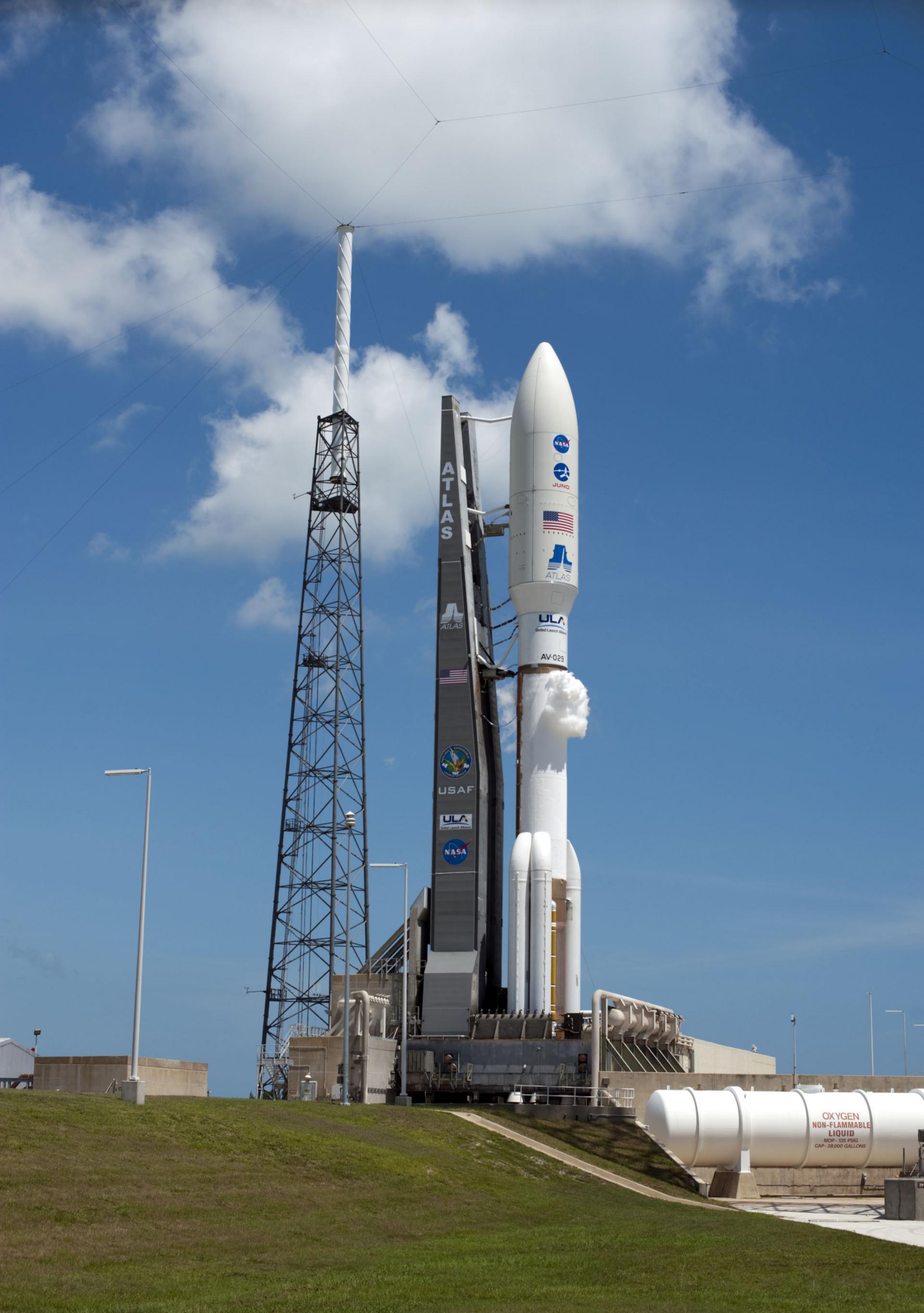
Atlas V 551 | Amazon Leo (LA-05)
United Launch Alliance | United States of AmericaCape Canaveral SFS, FL, USA
April 4, 2026, 5:46 a.m.
Status: Launch Successful
Mission:
Amazon Leo, formerly known as Project Kuiper, is a mega constellation of satellites in Low Earth Orbit that will offer broadband internet access, this constellation will be managed by Kuiper Systems LLC, a subsidiary of Amazon. This constellation is planned to be composed of 3,276 satellites. The satellites are projected to be placed in 98 orbital planes in three orbital layers, one at 590 km, 610 km and 630 km altitude. 29 satellites are carried on this launch.
Low Earth Orbit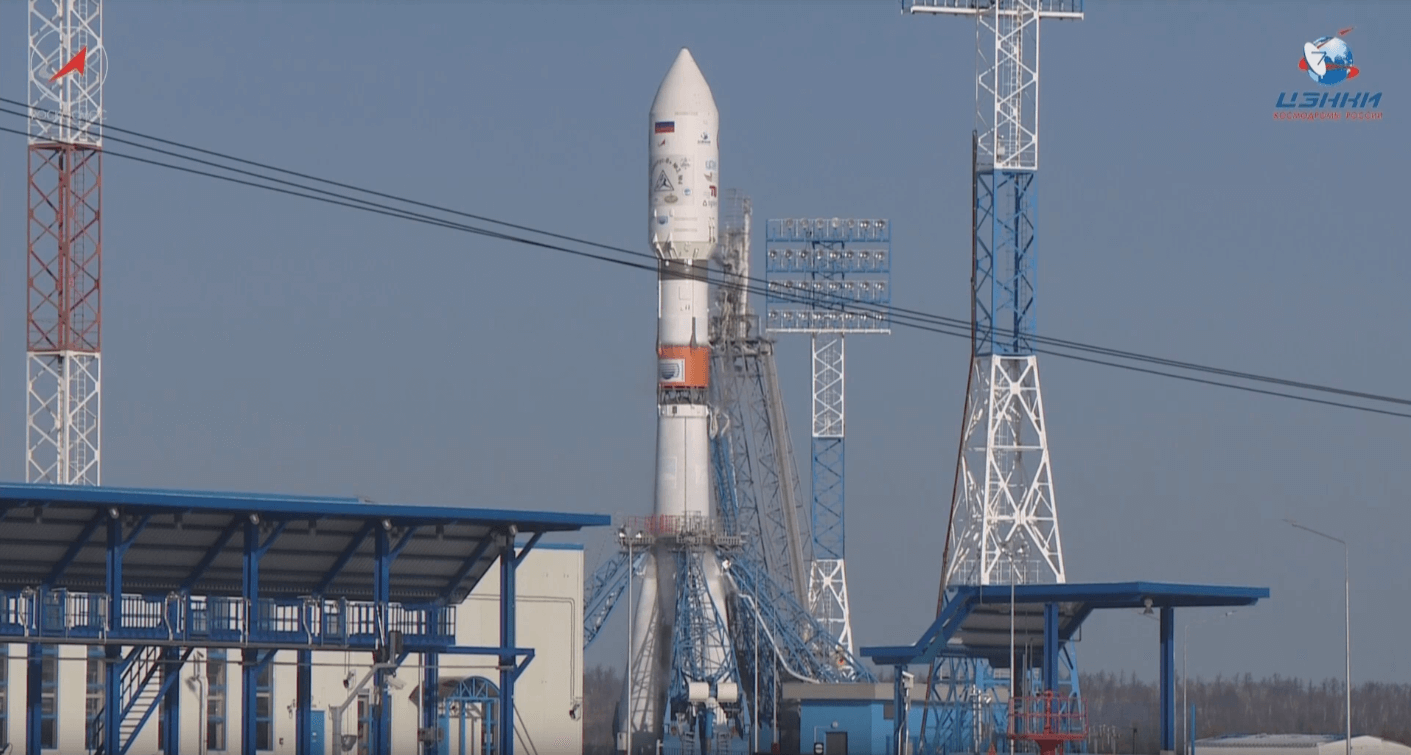
Soyuz 2.1a/Fregat-M | Meridian-M No.21L
Progress Rocket Space Center | RussiaPlesetsk Cosmodrome, Russian Federation
April 3, 2026, 6:28 a.m.
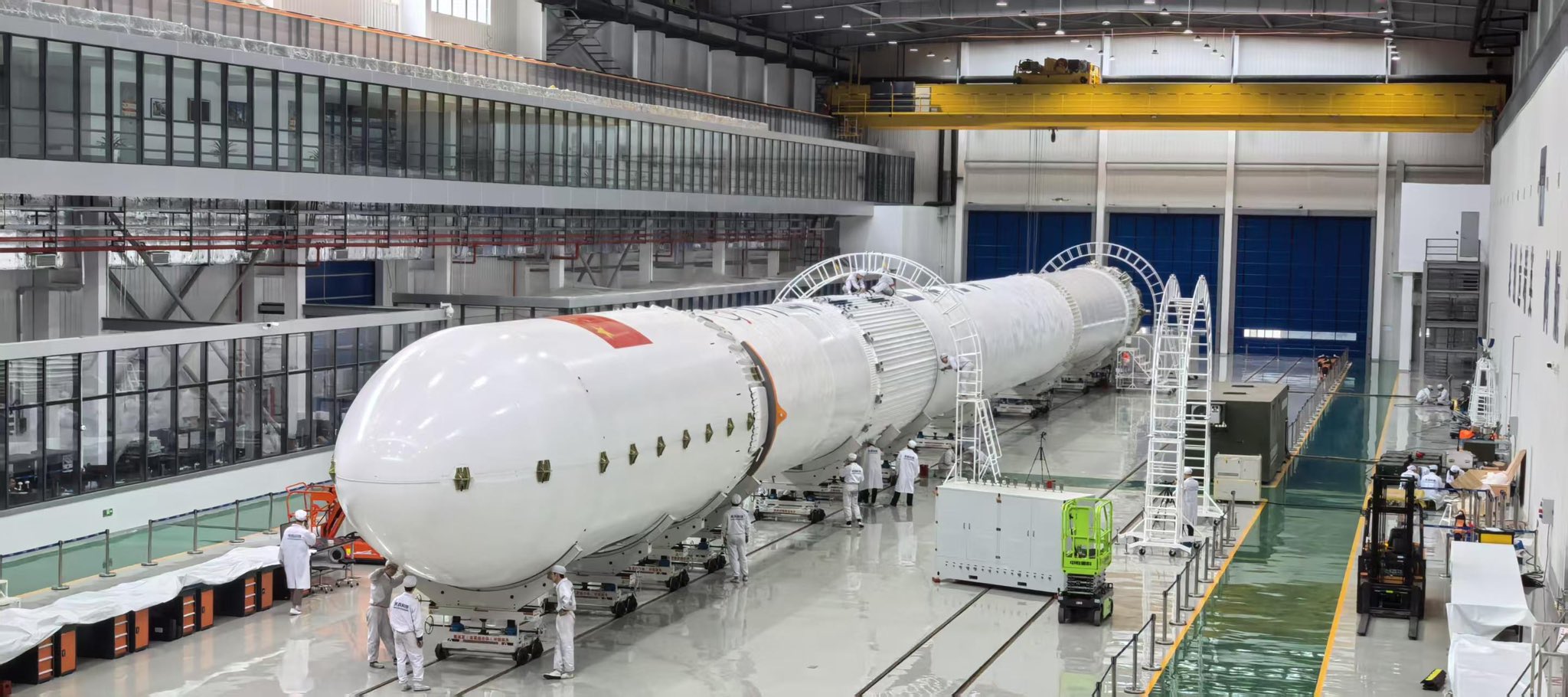
Tianlong-3 | Demo Flight
Space Pioneer | ChinaJiuquan Satellite Launch Center, People's Republic of China
April 3, 2026, 4:17 a.m.
Falcon 9 Block 5 | Starlink Group 10-58
SpaceX | United States of AmericaCape Canaveral SFS, FL, USA
April 2, 2026, 11:55 a.m.
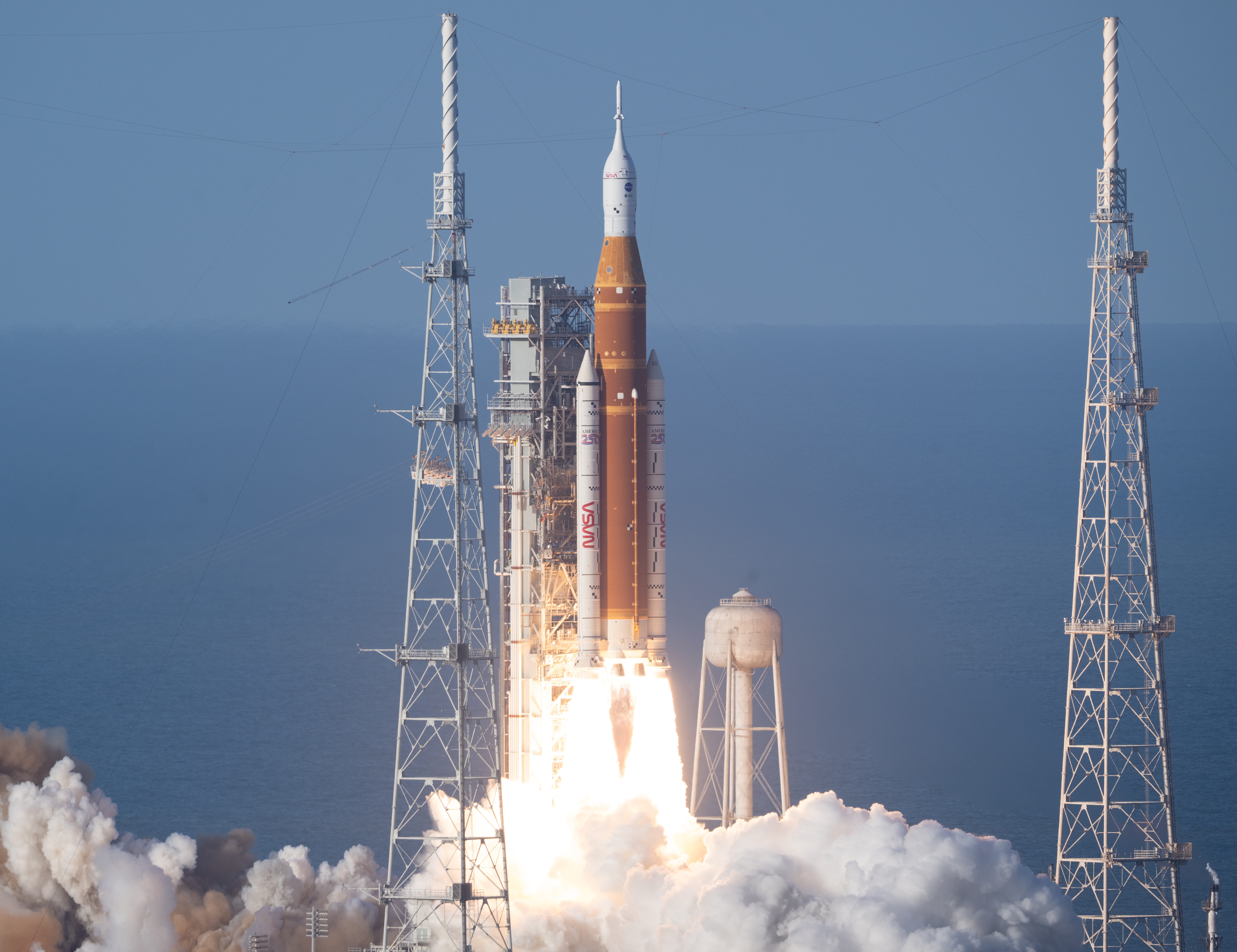
SLS Block 1 | Artemis II
National Aeronautics and Space Administration | United States of AmericaKennedy Space Center, FL, USA
April 1, 2026, 10:35 p.m.
Status: Launch Successful
Mission:
Artemis II is the first crewed mission as part of the Artemis program. Artemis II will send a crew of 4 - 3 Americans and 1 Canadian around the moon and return them back to Earth. The mission will test the core systems of NASA's Orion spacecraft including the critical life support system, among other systems which could not be tested during Artemis I due to the lack of crew onboard.
Lunar flybyFalcon 9 Block 5 | Starlink Group 10-44
SpaceX | United States of AmericaCape Canaveral SFS, FL, USA
March 30, 2026, 9:15 p.m.

