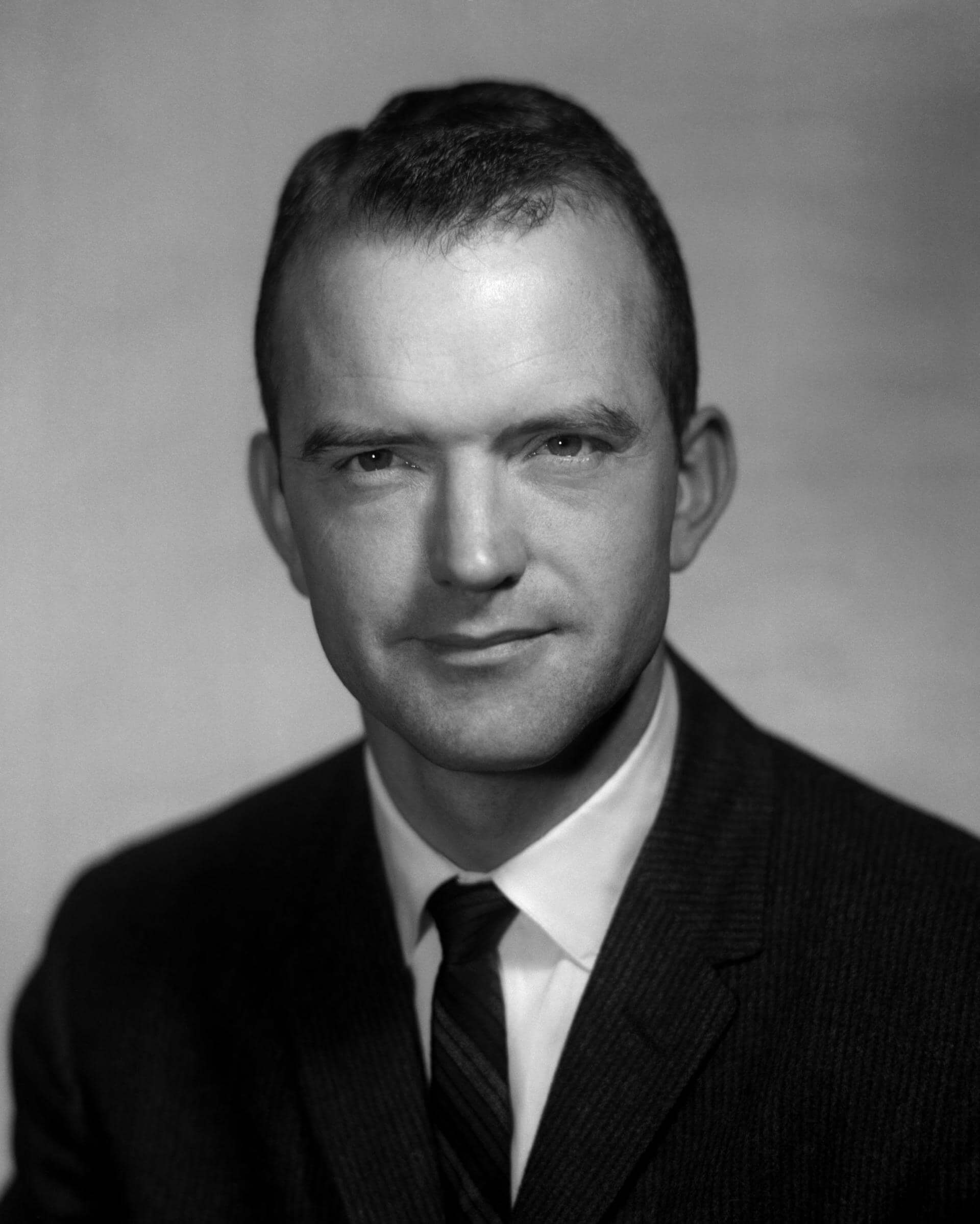
William H. Dana
American - (NASA)
Deceased
Date of Birth: Nov. 3, 1930
Date of Death: May 6, 2014
William Harvey "Bill" Dana was an American aeronautical engineer, U.S. Air Force pilot, NASA test pilot, and astronaut. He flew on X-15 Flight 174 and Flight 197, both of which passed 50 miles in altitude.
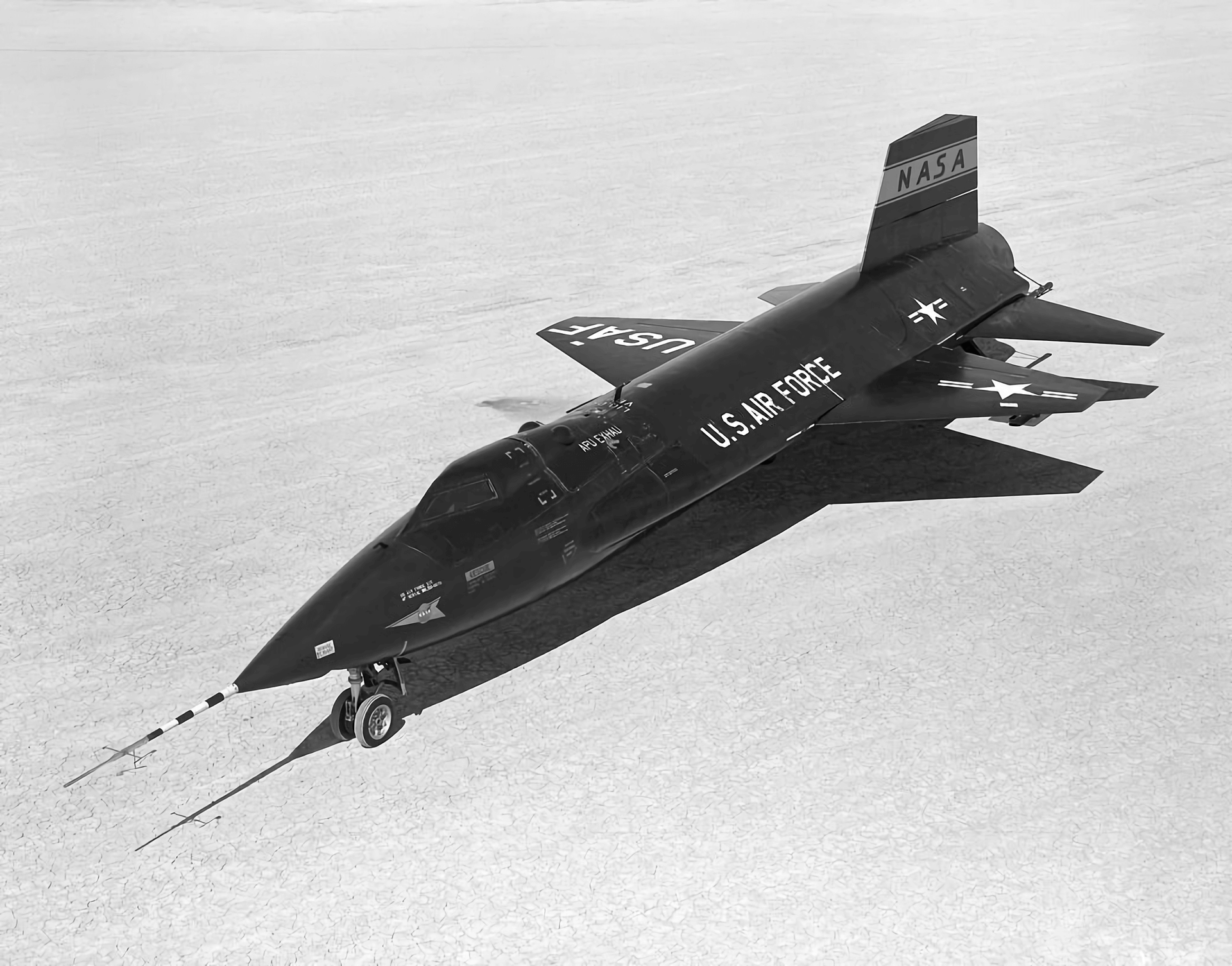
X-15 | Flight 174
North American Aviation | United States of AmericaAir launch to Suborbital flight
Nov. 1, 1966, 9:24 p.m.
X-15 | Flight 197
North American Aviation | United States of AmericaAir launch to Suborbital flight
Aug. 21, 1968, 5:05 p.m.
The National Aeronautics and Space Administration is an independent agency of the executive branch of the United States federal government responsible for the civilian space program, as well as aeronautics and aerospace research. NASA have many launch facilities but most are inactive. The most commonly used pad will be LC-39B at Kennedy Space Center in Florida.
Falcon 9
Starlink Group 17-35
Space Launch Complex 4E - Vandenberg SFB, CA, USAA batch of 25 satellites for the Starlink mega-constellation - SpaceX's project for space-based Internet communication system.
Atlas V 551
Amazon Leo (LA-05)
Space Launch Complex 41 - Cape Canaveral SFS, FL, USAAmazon Leo, formerly known as Project Kuiper, is a mega constellation of satellites in Low Earth Orbit that will offer broadband internet access, thi…
Soyuz 2.1a/Fregat-M
Meridian-M No.21L
43/3 (43L) - Plesetsk Cosmodrome, Russian FederationNote: Payload identity uncertain. Meridian is a series of communications satellite for military and civilian use.
Tianlong-3
Demo Flight
Tianlong-3 Launch Pad - Jiuquan Satellite Launch Center, People's Republic of ChinaFirst test launch of Space Pioneer’s Tianlong-3 rocket.
Falcon 9
Starlink Group 10-58
Space Launch Complex 40 - Cape Canaveral SFS, FL, USAA batch of 29 satellites for the Starlink mega-constellation - SpaceX's project for space-based Internet communication system.

