Ceres-1 | Golden Bauhinia 1-03 & others
Launch Successful
L - -- : -- : -- : --
Instantaneous launch window.
Launch Window
Dec. 7, 2021, 4:12 a.m. - Dec. 7, 2021, 4:12 a.m.


Instantaneous launch window.
Dec. 7, 2021, 4:12 a.m. - Dec. 7, 2021, 4:12 a.m.
This mission carried five commercial small satellites into orbit. These include: a remote sensing satellite Tianjin University-1, two remote sensing satellites for Golden Bauhinia 1 (also known as Jinzijing 1) constellation; and experimental satellites Lize-1 and Baoyun.

Launch success.
Re-added Ceres-1 2nd launch with possible payload and rumours of launch date, details still uncertain.
Ceres-1 is the first solid propellant launch vehicle of Galactic Energy.
See DetailsGalactic Energy is a private aerospace company headquartered in Beijing, China. Established by senior engineers in 2018, Galactic Energy engages in low-cost commercial space launch business.
INFO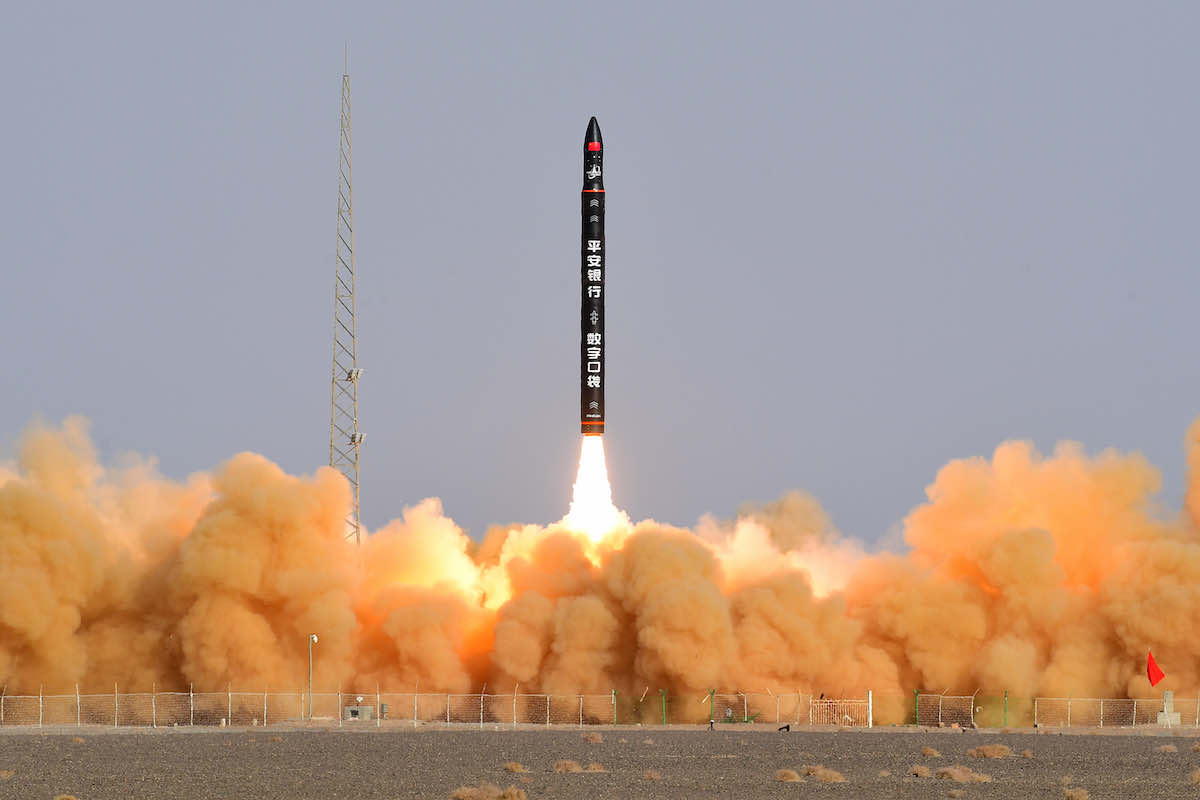
A solid-fueled Ceres satellite launcher developed to serve China’s burgeoning commercially-focused smallsat market successfully deployed five spacecraft into orbit Dec. 7, making the new Chinese rocket two-for-two since its debut last year.

The Chinese private spaceflight company Galactic Energy has made the second flight of its Ceres-1 rocket, carrying five satellites into orbit, including a satellite known as Golden Bauhinia-1-03. The launch took place at 04:12 UTC on Tuesd…
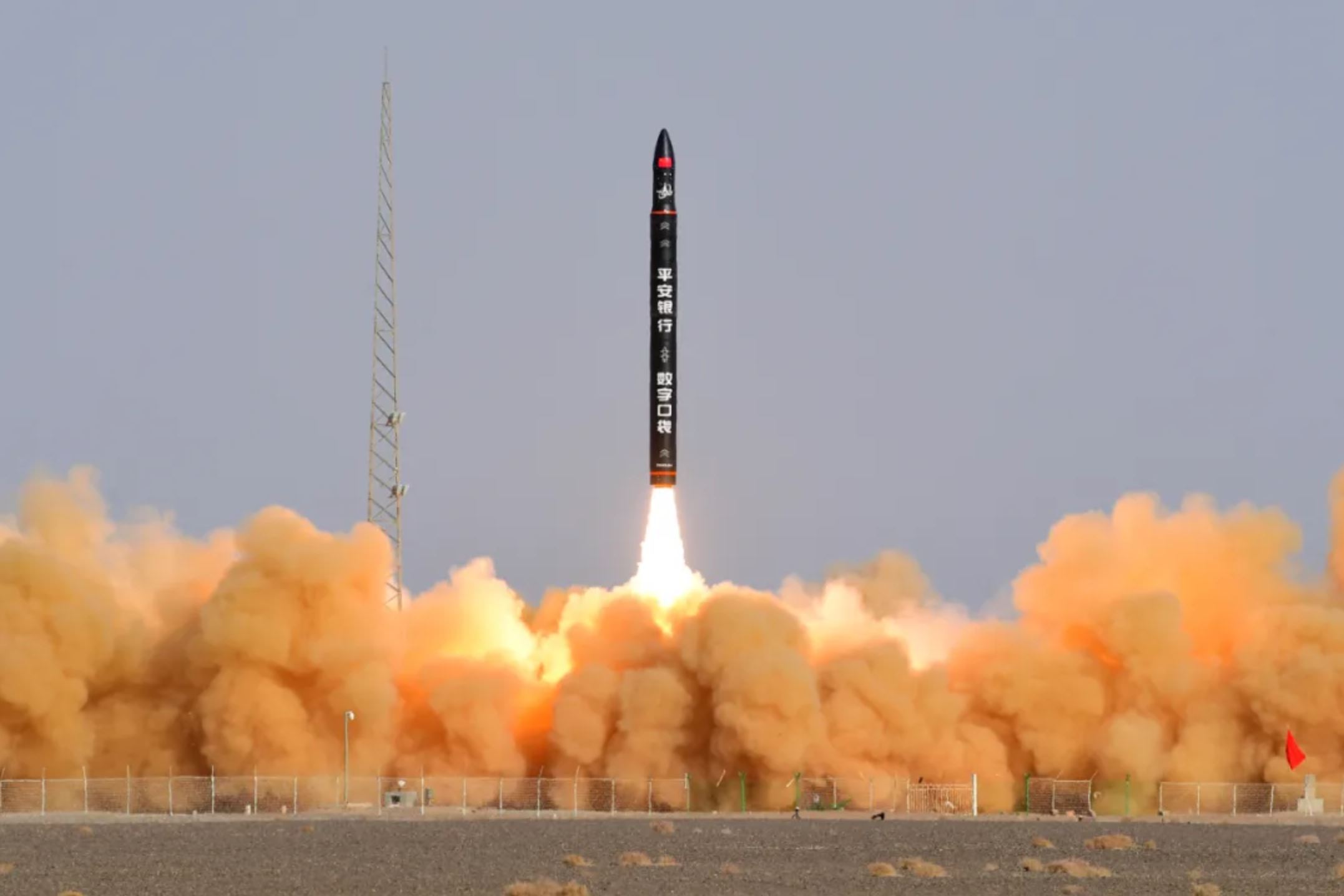
Rocket company Galactic Energy launched its second Ceres-1 rocket late Dec. 6, becoming the first Chinese private firm to reach orbit twice.
A batch of 25 satellites for the Starlink mega-constellation - SpaceX's project for space-based Internet communication system.
AST SpaceMobile’s Block 2 BlueBird satellites are designed to deliver up to 10 times the bandwidth capacity of the BlueBird Block 1 satellites, requi…
Daqi-2 (DQ-2), also known as the Atmospheric Environment Monitoring Satellite/AEMS, is the second of follow-on series of Chinese satellites to the GF…
Unknown satellite(s) for the Russian military.
A batch of 25 satellites for the Starlink mega-constellation - SpaceX's project for space-based Internet communication system.
A batch of 29 satellites for the Starlink mega-constellation - SpaceX's project for space-based Internet communication system.
8 Earth observation satellites for the Jilin-1 commercial Earth observation satellites constellation: * High Resolution-07A 02-04 * High Resoluti…
This is the 24th flight of the Orbital ATK's uncrewed resupply spacecraft Cygnus and its 23rd flight to the International Space Station under the Com…
Officially described as "Satellite-Internet Technology Demonstration Satellite". Probable 1 (?) test satellite for the Chinese state-owned LEO commun…
A batch of 25 satellites for the Starlink mega-constellation - SpaceX's project for space-based Internet communication system.