Electron | There and Back Again (Rideshare)
Launch Successful
L - -- : -- : -- : --
Launch Window
May 2, 2022, 10:35 p.m. - May 3, 2022, 12:40 a.m.


May 2, 2022, 10:35 p.m. - May 3, 2022, 12:40 a.m.
Commercial rideshare mission including payloads for Alba Orbital, Astrix Astronautics, Aurora Propulsion Technologies, E-Space, Spaceflight Inc, Swarm Technologies and UNSEENLABS.
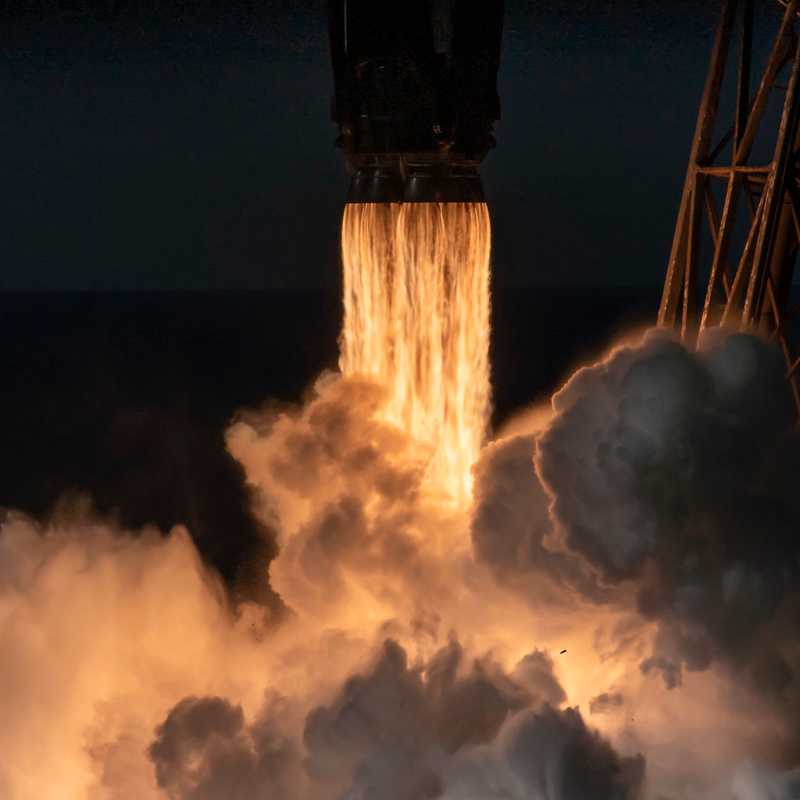
All payloads deployed successfully
Liftoff

Updating T-0

Delayed by another day due to weather
Delayed to May 1st UTC due to weather
Electron is a two-stage orbital expendable launch vehicle (with an optional third stage) developed by the American aerospace company Rocket Lab. Electron is a small-lift launch vehicle designed to launch small satellites and cubesats to sun-synchronous orbit and low earth orbit. The Electron is the first orbital class rocket to use electric-pump-fed engines, powered by the 9 Rutherford engines on the first stage. It is also used as a suborbital testbed (called HASTE) for hypersonics research.
See DetailsRocket lab successfully caught the Electron first stage, however due to different load characteristics than were experienced during testing the pilot dropped the stage at his discretion to complete a successful splashdown.
Result: 26 did not land successfully.Rocket Lab is an American aerospace manufacturer with a wholly owned New Zealand subsidiary. The company develops lightweight, cost-effective commercial rocket launch services. The Electron Program was founded on the premise that small payloads such as CubeSats require dedicated small launch vehicles and flexibility not currently offered by traditional rocket systems. Its rocket, the Electron, is a light-weight rocket and is now operating commercially. The company is also producing a variety of spacecrafts and spacecrafts components.
INFO WIKI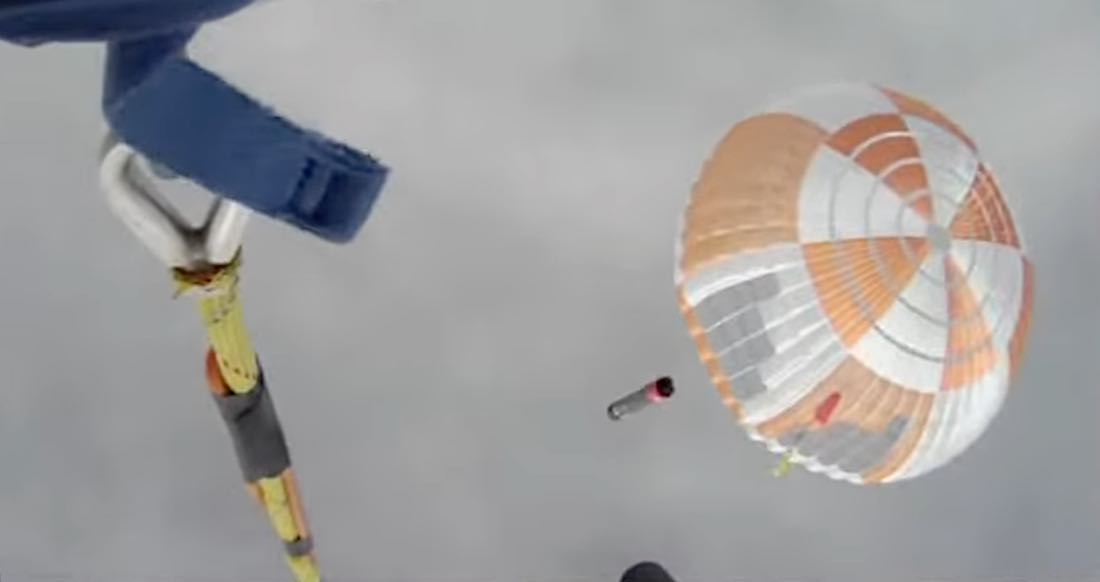
Rocket Lab used a helicopter to capture a spent Electron first stage booster and its parachute after launching satellites from New Zealand Monday, a significant step forward for the company’s rocket recovery and reuse program. The helicopt…
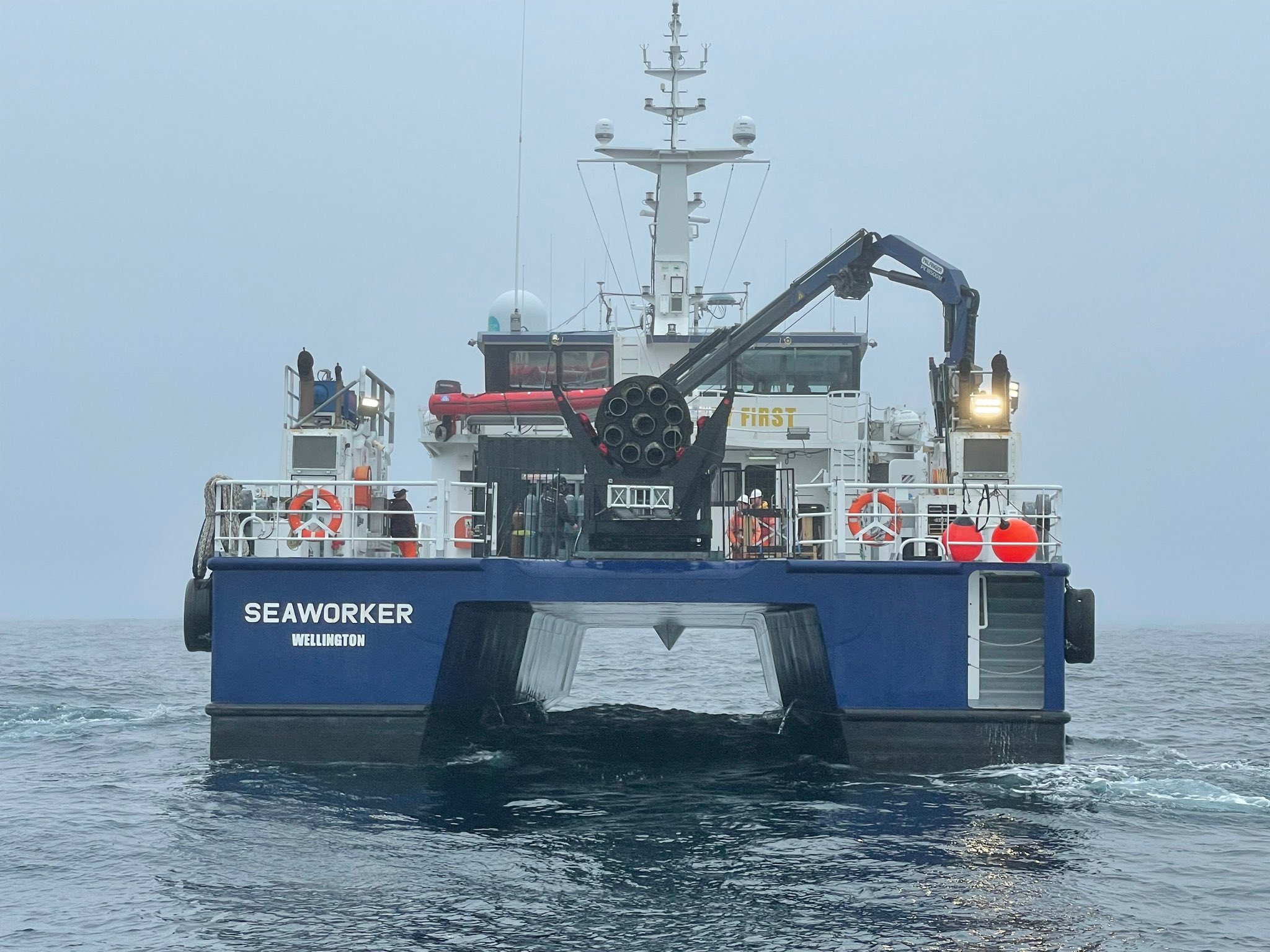
"It's kind of like Ghostbusters in some way."
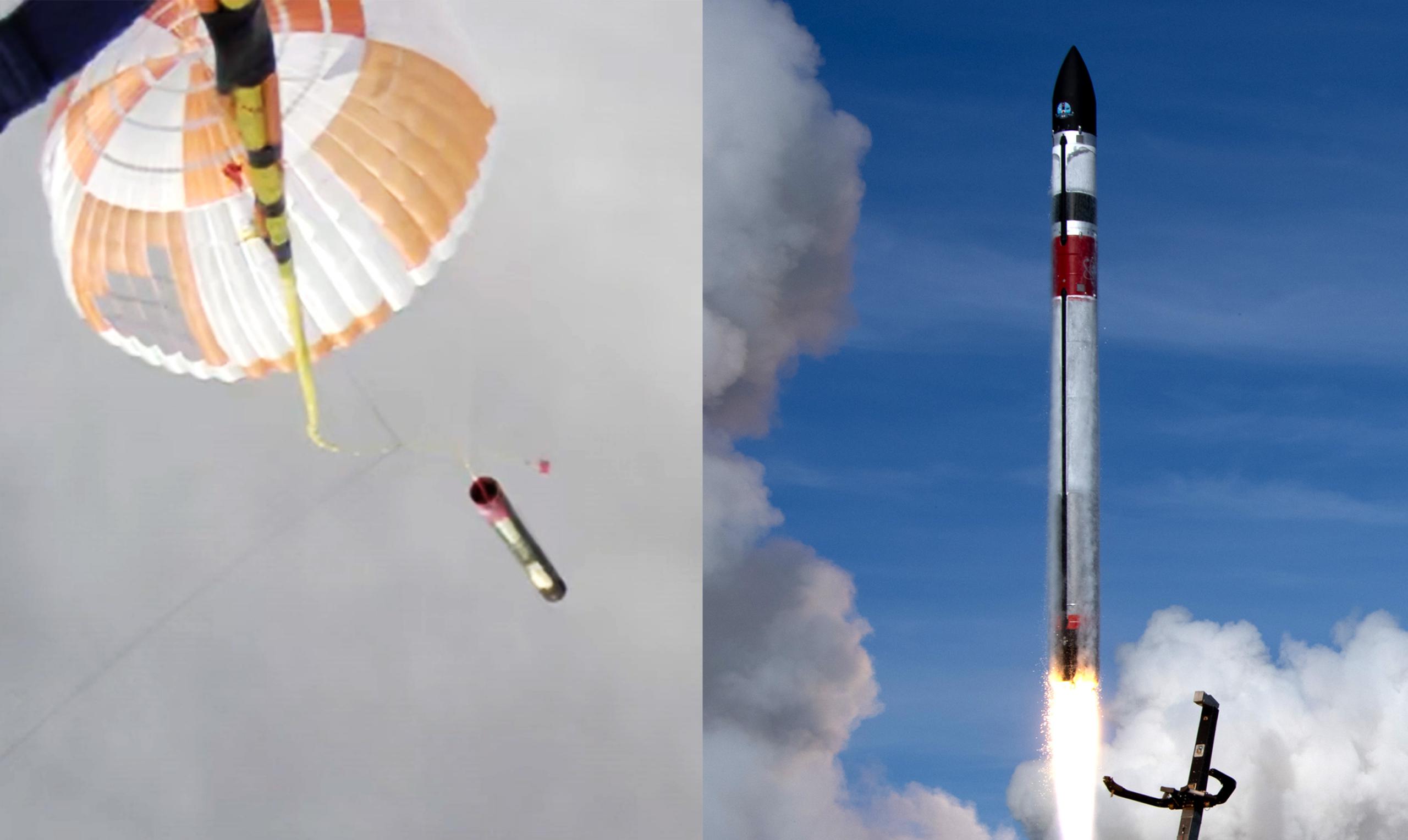
In a significant achievement, public launch provider Rocket Lab has – with a few caveats – successfully used a helicopter to catch...
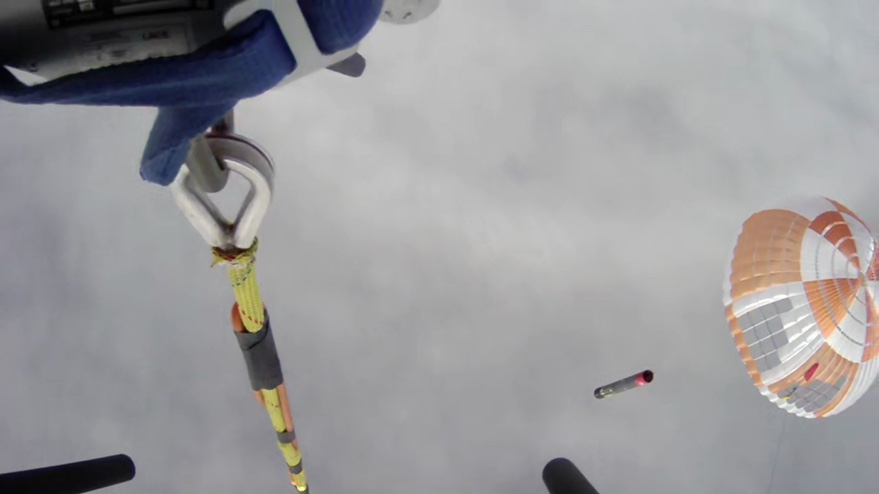
Rocket Lab declared success in its effort to catch an Electron booster in midair after launch May 2, even though the helicopter had to release the booster moments later.

After announcing plans to recover and reuse the first stage of the company’s Electron rocket back in 2019, the California-based rocket company has attempted a mid-air recovery for the very first time. After a successful mid-air catch, the …
A batch of 29 satellites for the Starlink mega-constellation - SpaceX's project for space-based Internet communication system.
8 Earth observation satellites for the Jilin-1 commercial Earth observation satellites constellation: * High Resolution-07A 02-04 * High Resoluti…
This is the 24th flight of the Orbital ATK's uncrewed resupply spacecraft Cygnus and its 23rd flight to the International Space Station under the Com…
Officially described as "Satellite-Internet Technology Demonstration Satellite". Probable 1 (?) test satellite for the Chinese state-owned LEO commun…
A batch of 25 satellites for the Starlink mega-constellation - SpaceX's project for space-based Internet communication system.
A batch of 5 Low Earth Orbit communication satellites for the Chinese state owned SatNet constellation operated by the China Satellite Network Group.…
18 Low Earth Orbit communication satellites with Ku, Q and V band payloads for the G60 constellation operated by Shanghai Spacesail Technologies with…
STP-S29A is a mission under the U.S. Department of Defense's Space Test Program (STP) that will deliver technology demonstrations to orbit and contri…
A batch of 25 satellites for the Starlink mega-constellation - SpaceX's project for space-based Internet communication system.
Amazon Leo, formerly known as Project Kuiper, is a mega constellation of satellites in Low Earth Orbit that will offer broadband internet access, thi…