Falcon 9 Block 5 | Dragon In-Flight Abort Test
Launch Successful
L - -- : -- : -- : --
Launch Window
Jan. 19, 2020, 1 p.m. - Jan. 19, 2020, 7 p.m.


Jan. 19, 2020, 1 p.m. - Jan. 19, 2020, 7 p.m.
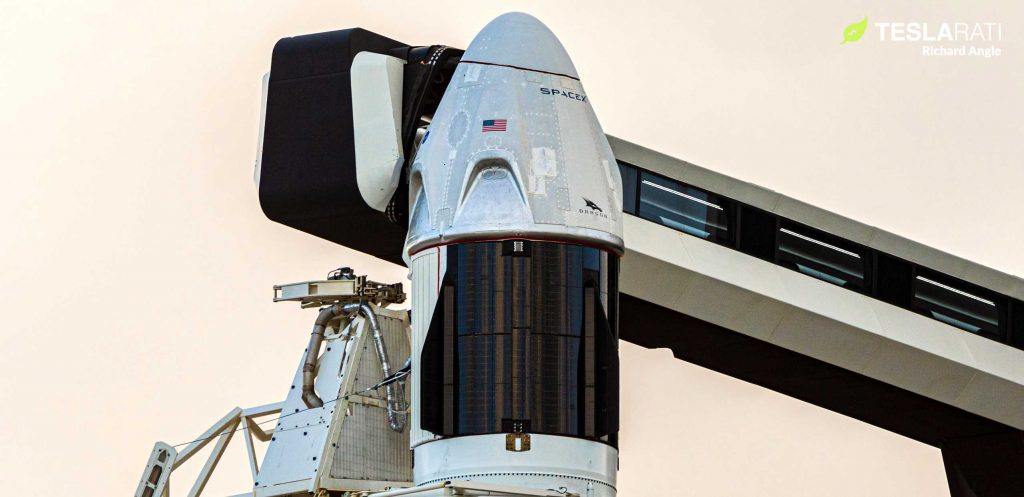
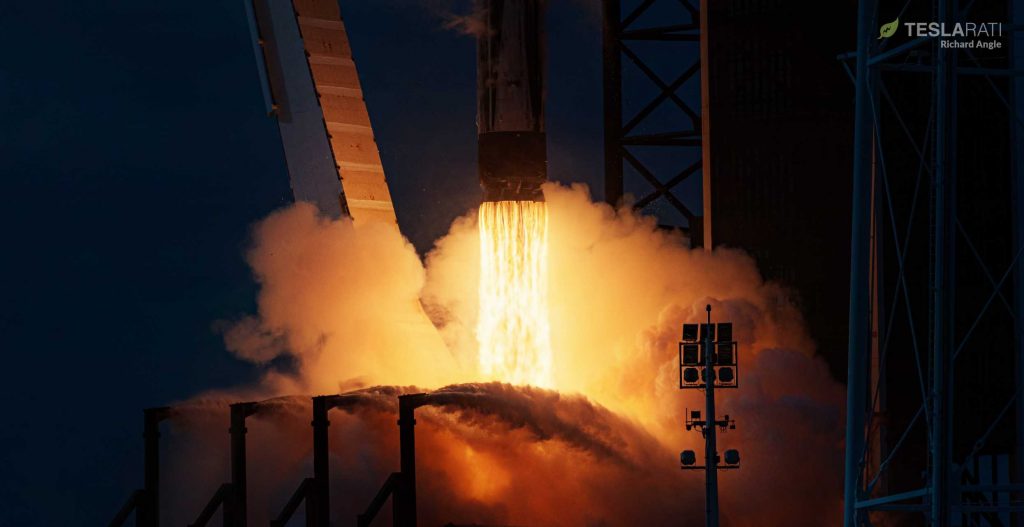
When the Falcon 9 Block 5 rocket reaches Max-Q (maximum dynamic forces), the launch abort system of the Crew Dragon spacecraft will be triggered. This will fire up its SuperDraco engines and propel the spacecraft and its theoretical passengers away from the launch vehicle before landing back safely in the Atlantic Ocean. The goal of this test is to demonstrate the capacity of the spacecraft to ensure a safe return to the ground for the astronauts in the event of a launch vehicle failure. The booster for this launch will be B1046, a thrice-flown core which was the first of the Block 5 generation. It will not attempt to land and is expected to be destroyed by the SuperDracos and aerodynamic loads.
Falcon 9 is a two-stage rocket designed and manufactured by SpaceX for the reliable and safe transport of satellites and the Dragon spacecraft into orbit. The Block 5 variant is the fifth major interval aimed at improving upon the ability for rapid reusability.
See DetailsNO attempt to recover this stage was made. The booster did not have any recovery hardware installed.
Core will be expended.Crew Dragon 2 is the Crew Dragon spacecraft launched on the In Flight Abort Test.
Crew Dragon 2 DetailsSpace Exploration Technologies Corp., known as SpaceX, is an American aerospace manufacturer and space transport services company headquartered in Hawthorne, California. It was founded in 2002 by entrepreneur Elon Musk with the goal of reducing space transportation costs and enabling the colonization of Mars. SpaceX operates from many pads, on the East Coast of the US they operate from SLC-40 at Cape Canaveral Space Force Station and historic LC-39A at Kennedy Space Center. They also operate from SLC-4E at Vandenberg Space Force Base, California, usually for polar launches. Another launch site is being developed at Boca Chica, Texas.
INFO WIKI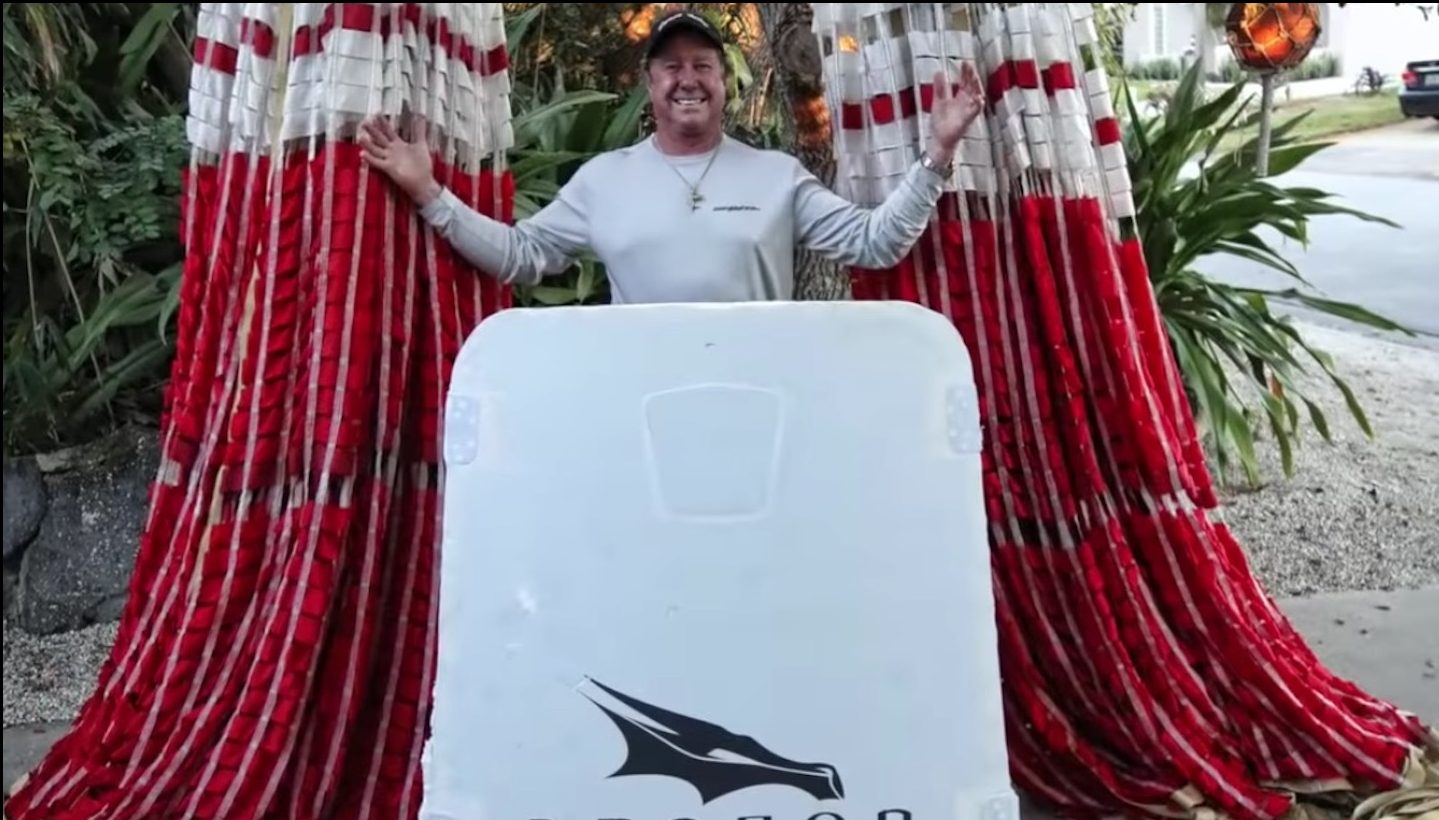


A batch of 25 satellites for the Starlink mega-constellation - SpaceX's project for space-based Internet communication system.
AST SpaceMobile’s Block 2 BlueBird satellites are designed to deliver up to 10 times the bandwidth capacity of the BlueBird Block 1 satellites, requi…
Daqi-2 (DQ-2), also known as the Atmospheric Environment Monitoring Satellite/AEMS, is the second of follow-on series of Chinese satellites to the GF…
Unknown satellite(s) for the Russian military.
A batch of 25 satellites for the Starlink mega-constellation - SpaceX's project for space-based Internet communication system.
A batch of 29 satellites for the Starlink mega-constellation - SpaceX's project for space-based Internet communication system.
8 Earth observation satellites for the Jilin-1 commercial Earth observation satellites constellation: * High Resolution-07A 02-04 * High Resoluti…
This is the 24th flight of the Orbital ATK's uncrewed resupply spacecraft Cygnus and its 23rd flight to the International Space Station under the Com…
Officially described as "Satellite-Internet Technology Demonstration Satellite". Probable 1 (?) test satellite for the Chinese state-owned LEO commun…
A batch of 25 satellites for the Starlink mega-constellation - SpaceX's project for space-based Internet communication system.