Long March 5B | Wentian
Launch Successful
L - -- : -- : -- : --
Launch Window
July 24, 2022, 6:12 a.m. - July 24, 2022, 6:29 a.m.


July 24, 2022, 6:12 a.m. - July 24, 2022, 6:29 a.m.
Wentian is the first Laboratory Cabin Module (LCM) and second major component of the Chinese spacestation. It will provide additional navigation avionics, propulsion and orientation control as backup functions for the Core Cabin Module (CCM) as well as a pressurized environment for researchers to conduct science experiments in zero gravity.

Launch success
Liftoff
Updated T-0
Added launch time per NOTAM
NET July 24
The configuration of the CZ-5B variant consists of the Long March 5 core stage with its four strapped-on liquid-fueled boosters, but the usual second stage will be absent; in place of the second stage would be heavier low earth orbit payloads.
The China Aerospace Science and Technology Corporation (CASC) is the main contractor for the Chinese space program. It is state-owned and has a number of subordinate entities which design, develop and manufacture a range of spacecraft, launch vehicles, strategic and tactical missile systems, and ground equipment. It was officially established in July 1999 as part of a Chinese government reform drive, having previously been one part of the former China Aerospace Corporation. Various incarnations of the program date back to 1956.
INFO WIKI
NASA Administrator Statement
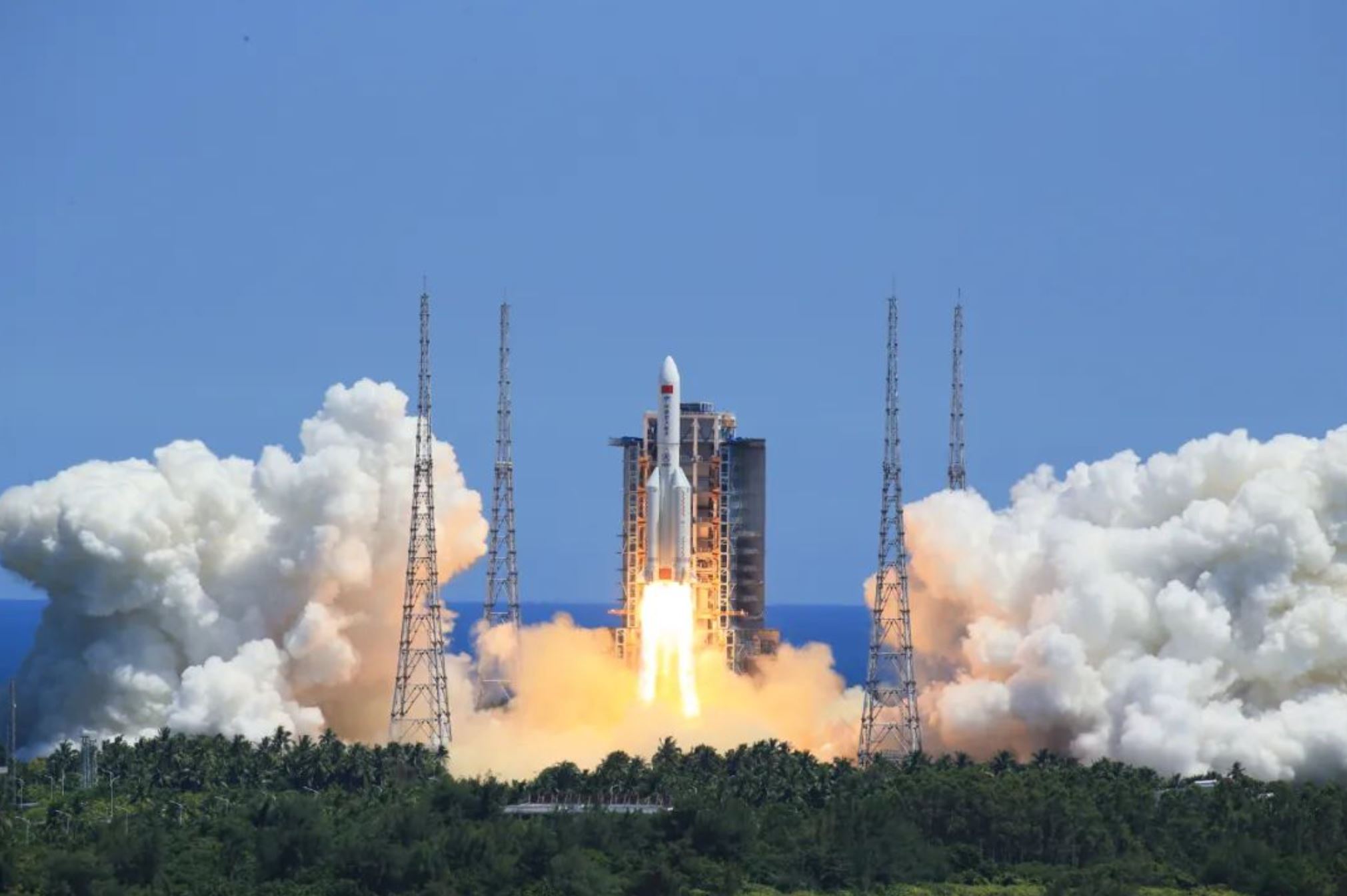
Wreckage from a Chinese Long March 5B rocket first stage made a fiery reentry into Earth’s atmosphere over Southeast Asia Saturday, six days after launching a space station module into orbit.
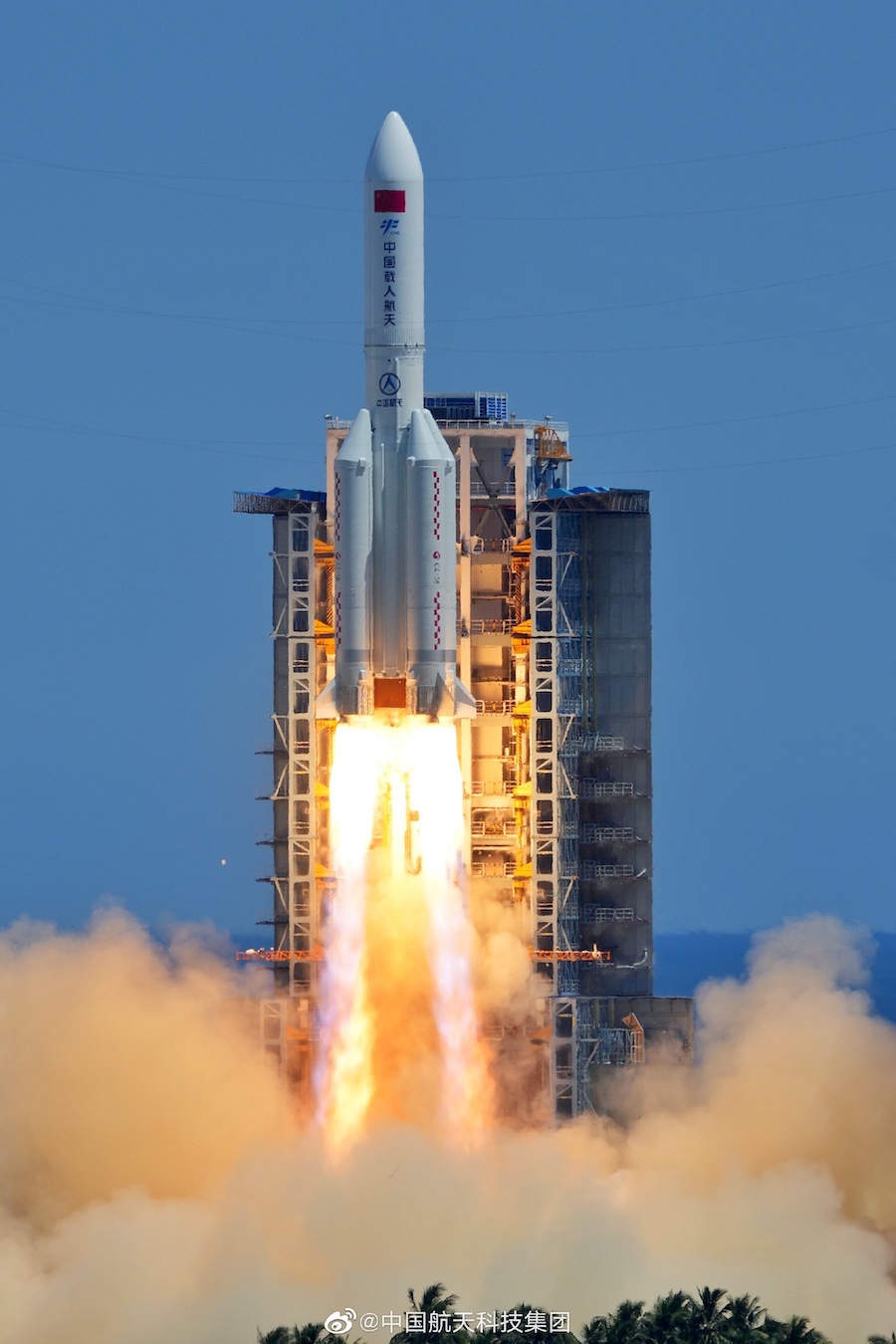
The 22-ton core stage of a Chinese rocket fell back to Earth Saturday, the third time in two years China has allowed such a large booster to re-enter the atmosphere uncontrolled. There were no immediate reports of wreckage or damage on the…
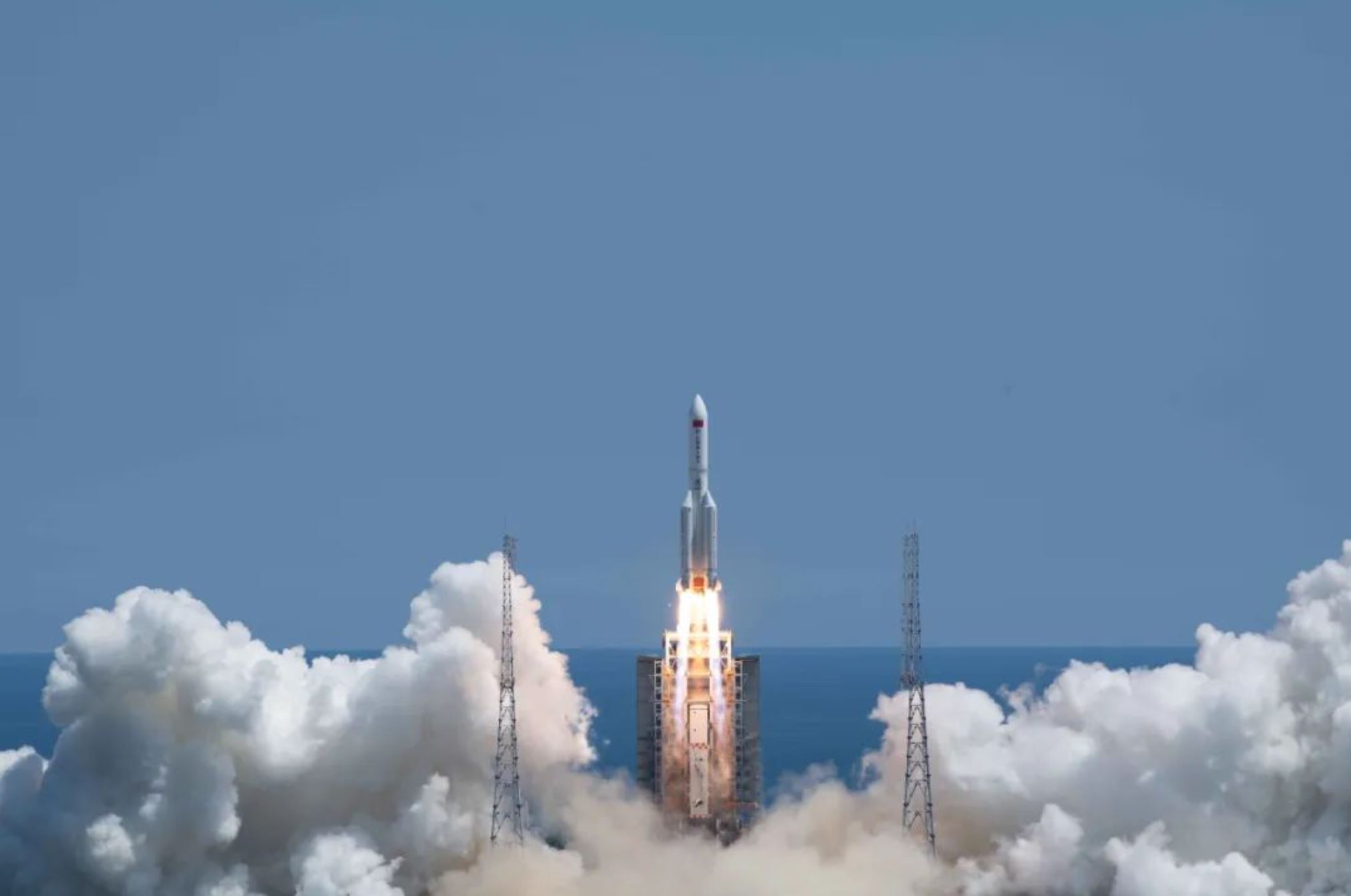
The first stage of the Long March 5B rocket which launched China’s Wentian space station module could reenter the atmosphere around July 31, according to a prediction from the Aerospace Corporation.
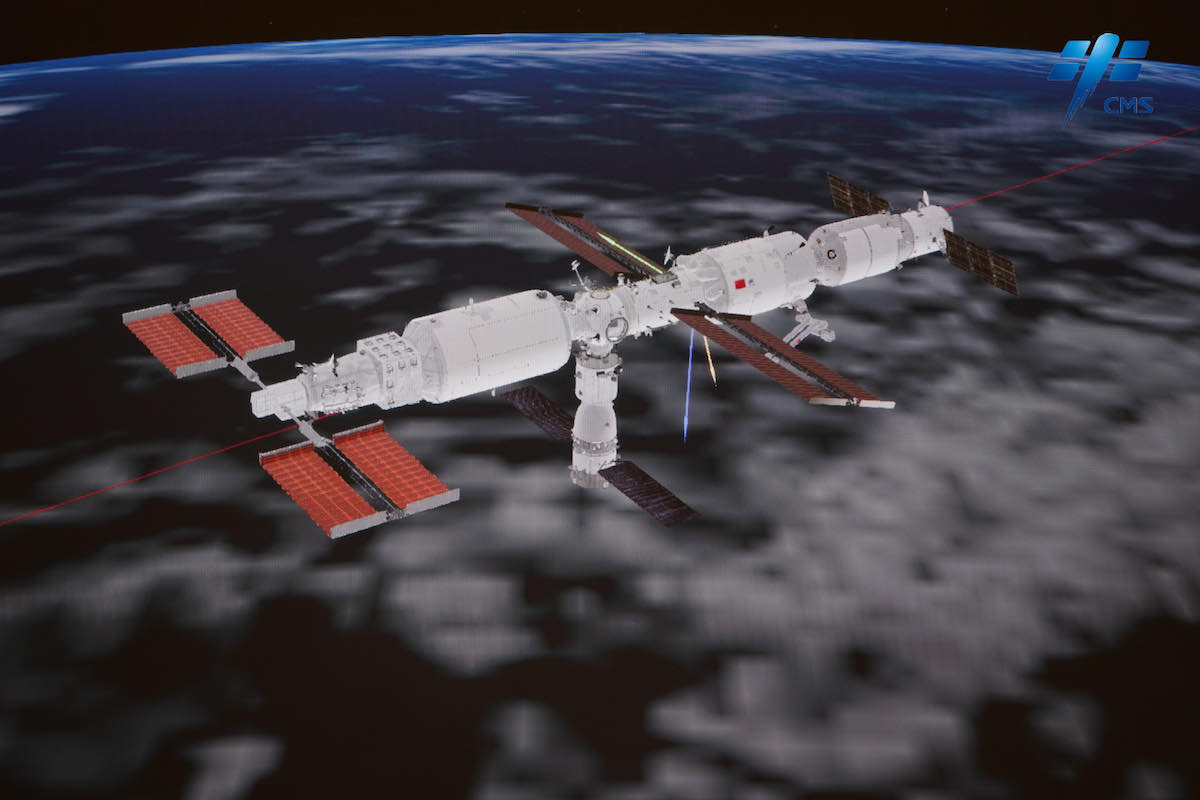
China’s Tiangong space station received a new room Sunday with the docking of the Wentian laboratory module, a half-day after launching on a heavy-lift Long March 5B rocket. The three-person crew on the Chinese space station later opened h…
AST SpaceMobile’s Block 2 BlueBird satellites are designed to deliver up to 10 times the bandwidth capacity of the BlueBird Block 1 satellites, requi…
Daqi-2 (DQ-2), also known as the Atmospheric Environment Monitoring Satellite/AEMS, is the second of follow-on series of Chinese satellites to the GF…
Unknown satellite(s) for the Russian military.
A batch of 25 satellites for the Starlink mega-constellation - SpaceX's project for space-based Internet communication system.
A batch of 29 satellites for the Starlink mega-constellation - SpaceX's project for space-based Internet communication system.
8 Earth observation satellites for the Jilin-1 commercial Earth observation satellites constellation: * High Resolution-07A 02-04 * High Resoluti…
This is the 24th flight of the Orbital ATK's uncrewed resupply spacecraft Cygnus and its 23rd flight to the International Space Station under the Com…
Officially described as "Satellite-Internet Technology Demonstration Satellite". Probable 1 (?) test satellite for the Chinese state-owned LEO commun…
A batch of 25 satellites for the Starlink mega-constellation - SpaceX's project for space-based Internet communication system.
A batch of 5 Low Earth Orbit communication satellites for the Chinese state owned SatNet constellation operated by the China Satellite Network Group.…