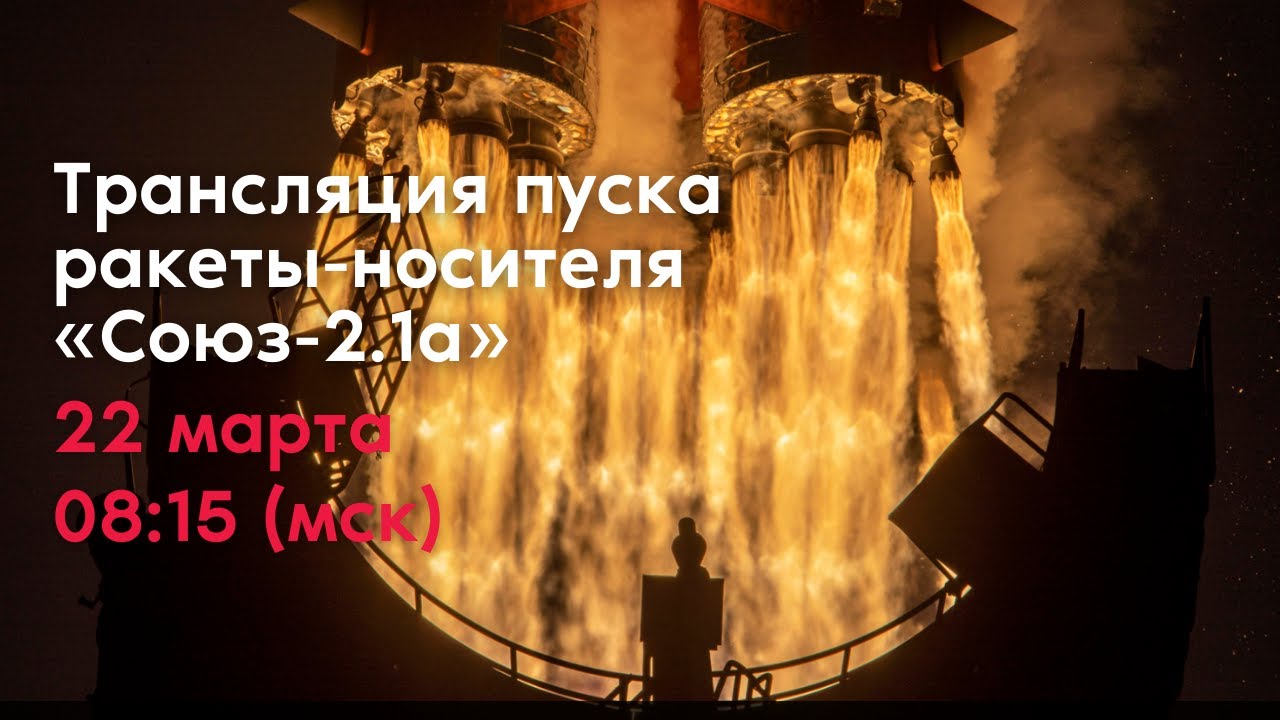
Soyuz 2.1a/Fregat-M | CAS500-1 & rideshare
Launch Successful
L - -- : -- : -- : --
Instantaneous launch window.
Launch Window
March 22, 2021, 6:07 a.m. - March 22, 2021, 6:07 a.m.


Instantaneous launch window.
March 22, 2021, 6:07 a.m. - March 22, 2021, 6:07 a.m.
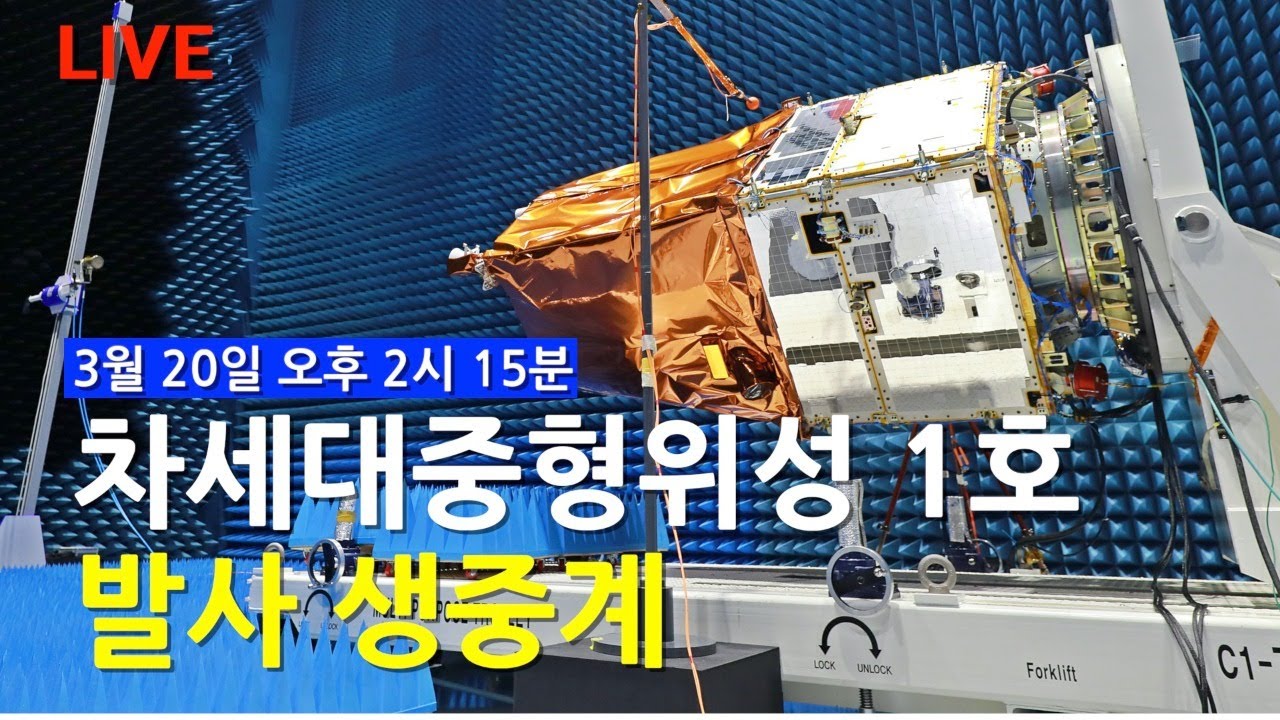
CAS500-1 is the first of two South Korean Earth observation satellites. These spacecraft feature the AEISS-C imaging system with a ground resolution of 0.5 m in panchromatic mode and 2 m in color mode. More than a dozen other satellites are included as secondary payloads, among them being the first spacecraft by the Catalan Space Agency.

Launch success confirmed by Roscosmos.

Delayed by a day
Setting GO for new backup
Launch scrubbed
Adding launch time and setting GO.
The 2.1a version includes conversion from analog to digital flight control system and uprated engines on the booster and the first stage with improved injection systems. The new digital flight control and telemetry systems allow the rocket to launch from a fixed rather than angled launch platform and adjust its heading in flight. A digital control system also enables the launch of larger commercial satellites with wider and longer payload fairings such as the ST-type fairing. These fairings introduce too much aerodynamic instability for the old analog system to handle.
Progress Rocket Space Centre, formerly known as TsSKB-Progress, is a space science and aerospace research company which is known for manufacturing launch vehicles and satellites. Most notably, Progress Rocket Space Centre is the manufacturer of Soyuz launch vehicles.
INFO WIKI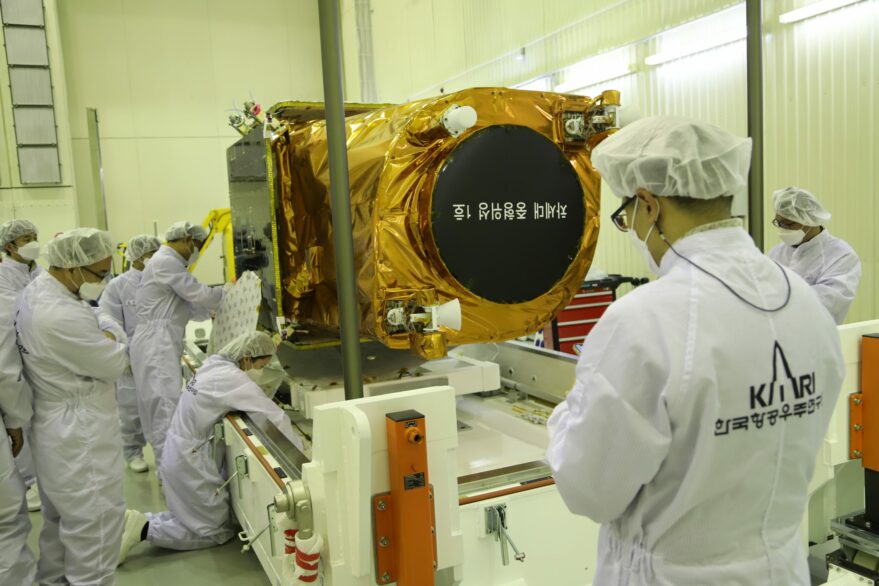
The March 22 launch of South Korea’s CAS500-1 remote sensing satellite has marked the beginning of the country’s journey toward the domestic satellite industry being driven by the private sector.
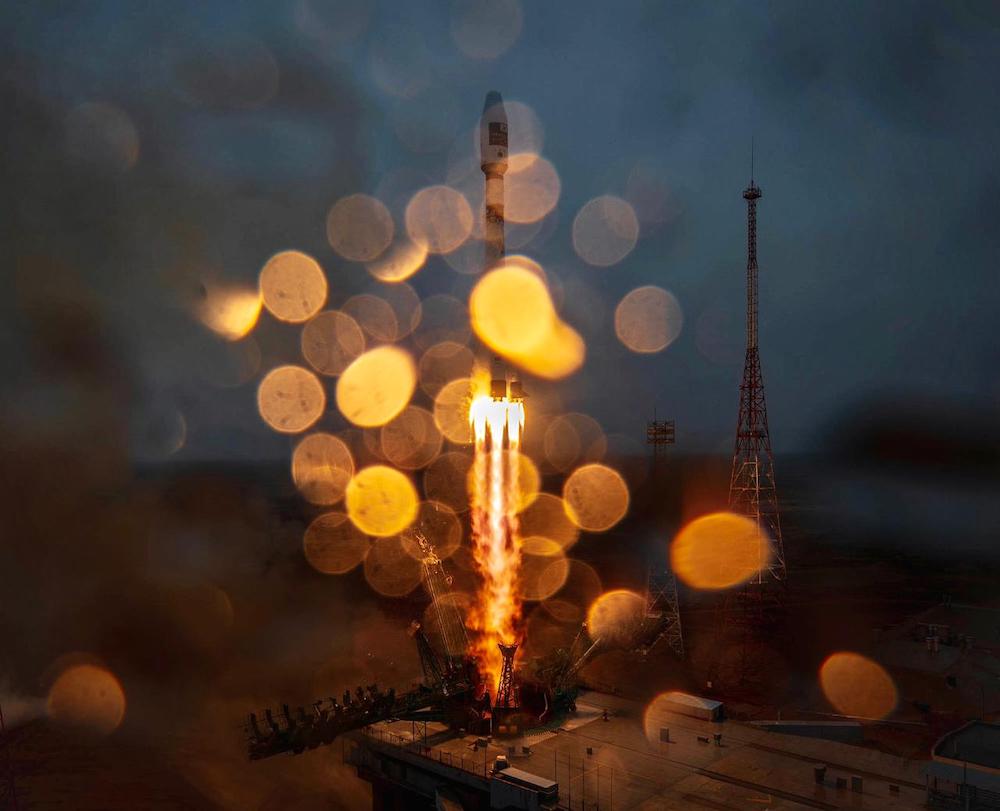
A Soyuz rocket launched 38 satellites from 18 countries on Monday, including South Korea’s CAS500-1 remote sensing satellite, in the first all-commercial rideshare mission GK Launch Services has arranged without a Russian government satell…
The launch of a Soyuz-2.1a rocket carrying a South Korean remote sensing satellite and three dozen smaller satellites was delayed Saturday due to a problem with the rocket’s upper stage.

Russia’s federal space agency Roscosmos launched its first dedicated commercial launch through its GK Launch Services subsidiary, using a Soyuz 2.1a/Fregat vehicle to deliver a cluster of satellites to orbit, including South Korea’s CAS500…

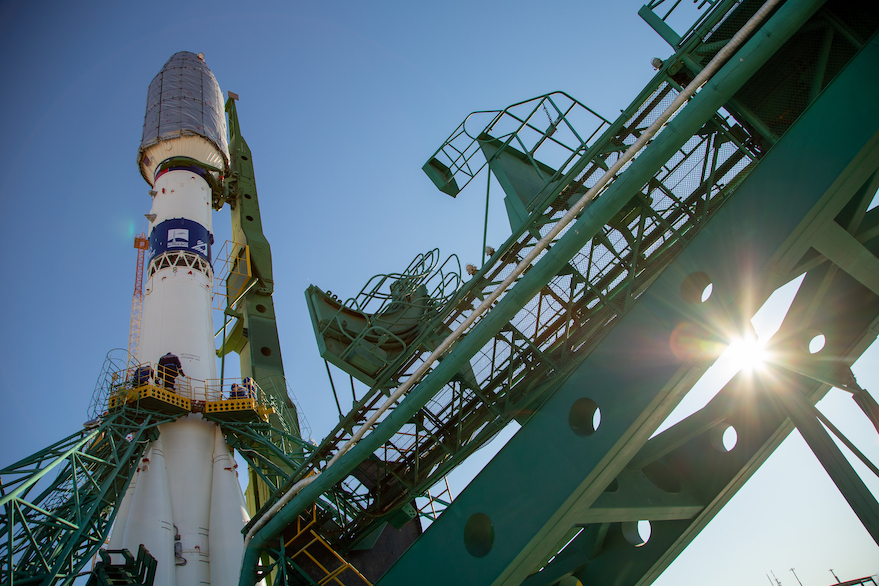
Sporting a new blue and white paint scheme to mark the upcoming 60th anniversary of the first human spaceflight, a Russian Soyuz rocket loaded with 38 international satellites has rolled out to its launch pad at the Baikonur Cosmodrome in …
A batch of 25 satellites for the Starlink mega-constellation - SpaceX's project for space-based Internet communication system.
A batch of 29 satellites for the Starlink mega-constellation - SpaceX's project for space-based Internet communication system.
8 Earth observation satellites for the Jilin-1 commercial Earth observation satellites constellation: * High Resolution-07A 02-04 * High Resoluti…
This is the 24th flight of the Orbital ATK's uncrewed resupply spacecraft Cygnus and its 23rd flight to the International Space Station under the Com…
Officially described as "Satellite-Internet Technology Demonstration Satellite". Probable 1 (?) test satellite for the Chinese state-owned LEO commun…
A batch of 25 satellites for the Starlink mega-constellation - SpaceX's project for space-based Internet communication system.
A batch of 5 Low Earth Orbit communication satellites for the Chinese state owned SatNet constellation operated by the China Satellite Network Group.…
18 Low Earth Orbit communication satellites with Ku, Q and V band payloads for the G60 constellation operated by Shanghai Spacesail Technologies with…
STP-S29A is a mission under the U.S. Department of Defense's Space Test Program (STP) that will deliver technology demonstrations to orbit and contri…
A batch of 25 satellites for the Starlink mega-constellation - SpaceX's project for space-based Internet communication system.