Soyuz 2.1b | Uzlovoy Module (UM) "Prichal"
Launch Successful
L - -- : -- : -- : --
Instantaneous launch window.
Launch Window
Nov. 24, 2021, 1:06 p.m. - Nov. 24, 2021, 1:06 p.m.


Instantaneous launch window.
Nov. 24, 2021, 1:06 p.m. - Nov. 24, 2021, 1:06 p.m.
The UM (Uzlovoy Module) or NM (Node Module) is a node to be added to the Russian part of the ISS complex. It is also named Prichal. UM will be delivered by a modified Progress space tug, called Progress-M-UM. The UM will be docked to the nadir port of the MLM (Nauka) module, providing four ports to mount additional modules and one docking port for cargo and crew spacecrafts.

Setting launch as successful based on ROSCOSMOS Tweet

T-0 confirmed by ROSCOSMOS
Adding launch time
Soyuz-2 is the 21st-century version of the Russian Soyuz rocket. In its basic form, it is a three-stage carrier rocket for placing payloads into low Earth orbit. The 2.1b version adds an upgraded engine (RD-0124) with improved performance to the second stage.
Modified Progress spacecraft used to deliver the Prichal module to the International Space Station.
Progress M-UM DetailsProgress Rocket Space Centre, formerly known as TsSKB-Progress, is a space science and aerospace research company which is known for manufacturing launch vehicles and satellites. Most notably, Progress Rocket Space Centre is the manufacturer of Soyuz launch vehicles.
INFO WIKI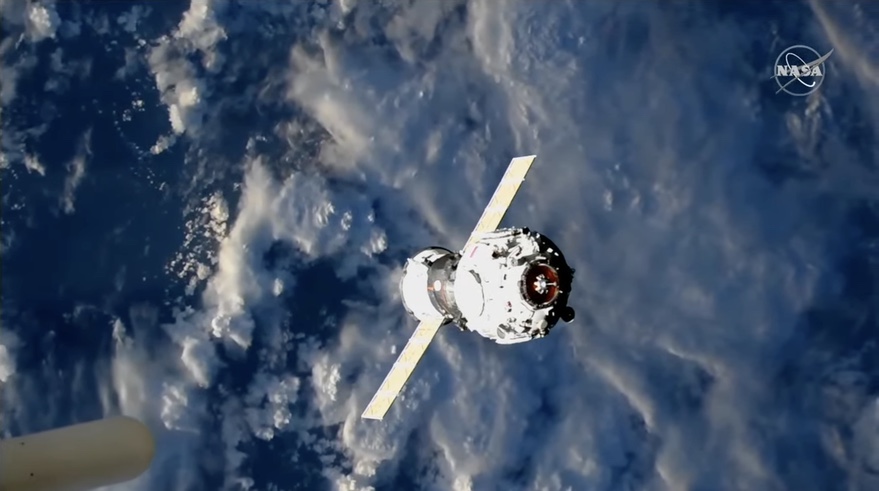
A node module billed as the final Russian element of the International Space Station docked with the station Nov. 26.
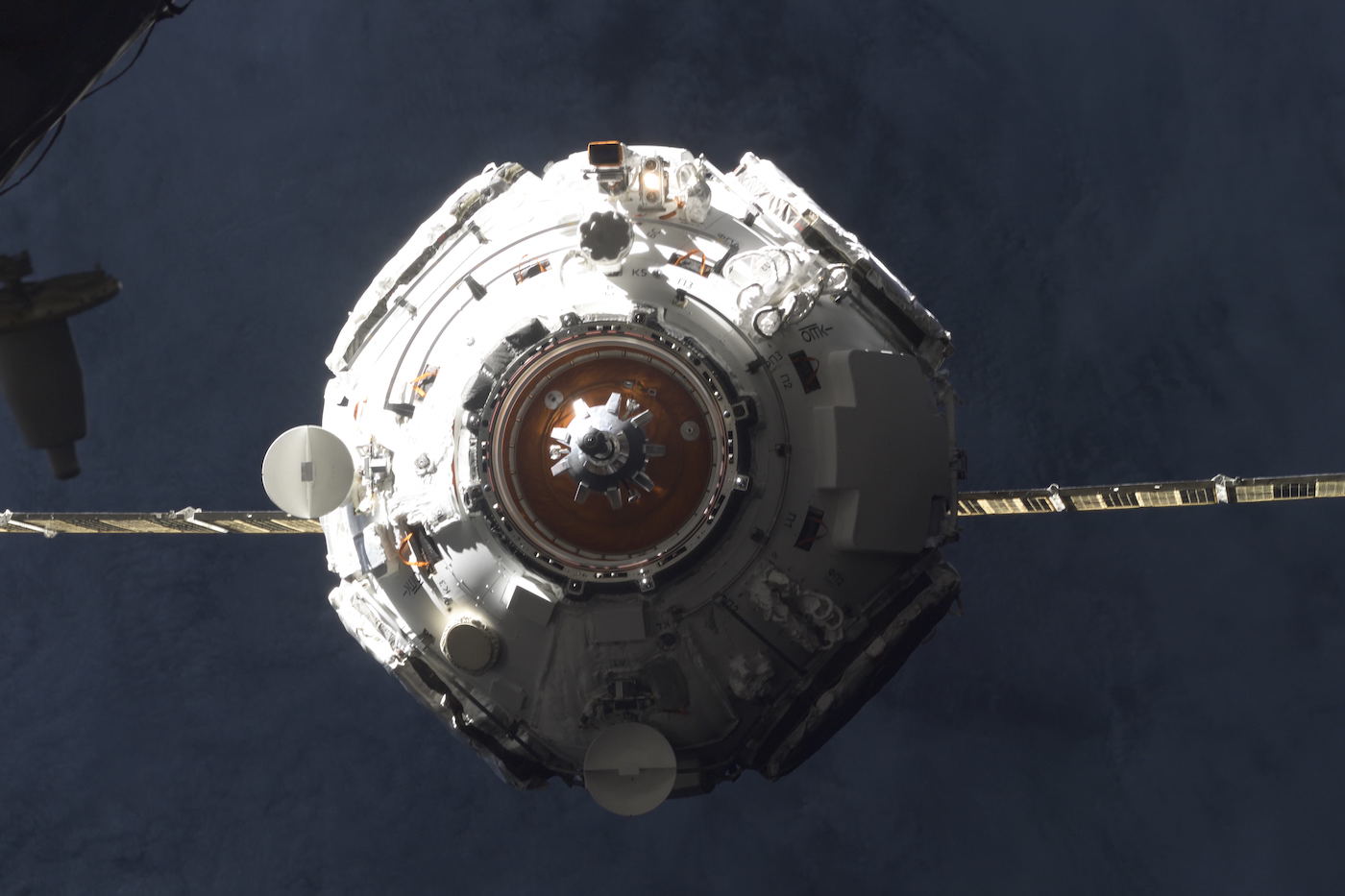
Russia’s Prichal docking module linked up with the International Space Station Friday, adding the final planned piece of the Russian segment of the outpost to provide a new connection for future crew and cargo ships.

Roscosmos is set to launch a new docking node module to the International Space Station (ISS) on Wednesday, November 24 at 13:06 UTC / 8:06 am EST.

NASA will provide live coverage of the upcoming launch and docking of a new Russian docking module to the International Space Station.
Daqi-2 (DQ-2), also known as the Atmospheric Environment Monitoring Satellite/AEMS, is the second of follow-on series of Chinese satellites to the GF…
Unknown satellite(s) for the Russian military.
A batch of 25 satellites for the Starlink mega-constellation - SpaceX's project for space-based Internet communication system.
A batch of 29 satellites for the Starlink mega-constellation - SpaceX's project for space-based Internet communication system.
8 Earth observation satellites for the Jilin-1 commercial Earth observation satellites constellation: * High Resolution-07A 02-04 * High Resoluti…
This is the 24th flight of the Orbital ATK's uncrewed resupply spacecraft Cygnus and its 23rd flight to the International Space Station under the Com…
Officially described as "Satellite-Internet Technology Demonstration Satellite". Probable 1 (?) test satellite for the Chinese state-owned LEO commun…
A batch of 25 satellites for the Starlink mega-constellation - SpaceX's project for space-based Internet communication system.
A batch of 5 Low Earth Orbit communication satellites for the Chinese state owned SatNet constellation operated by the China Satellite Network Group.…
18 Low Earth Orbit communication satellites with Ku, Q and V band payloads for the G60 constellation operated by Shanghai Spacesail Technologies with…

