SpaceX Launch Schedule
Filter by Agency, Locations or Vehicles
Show All Launches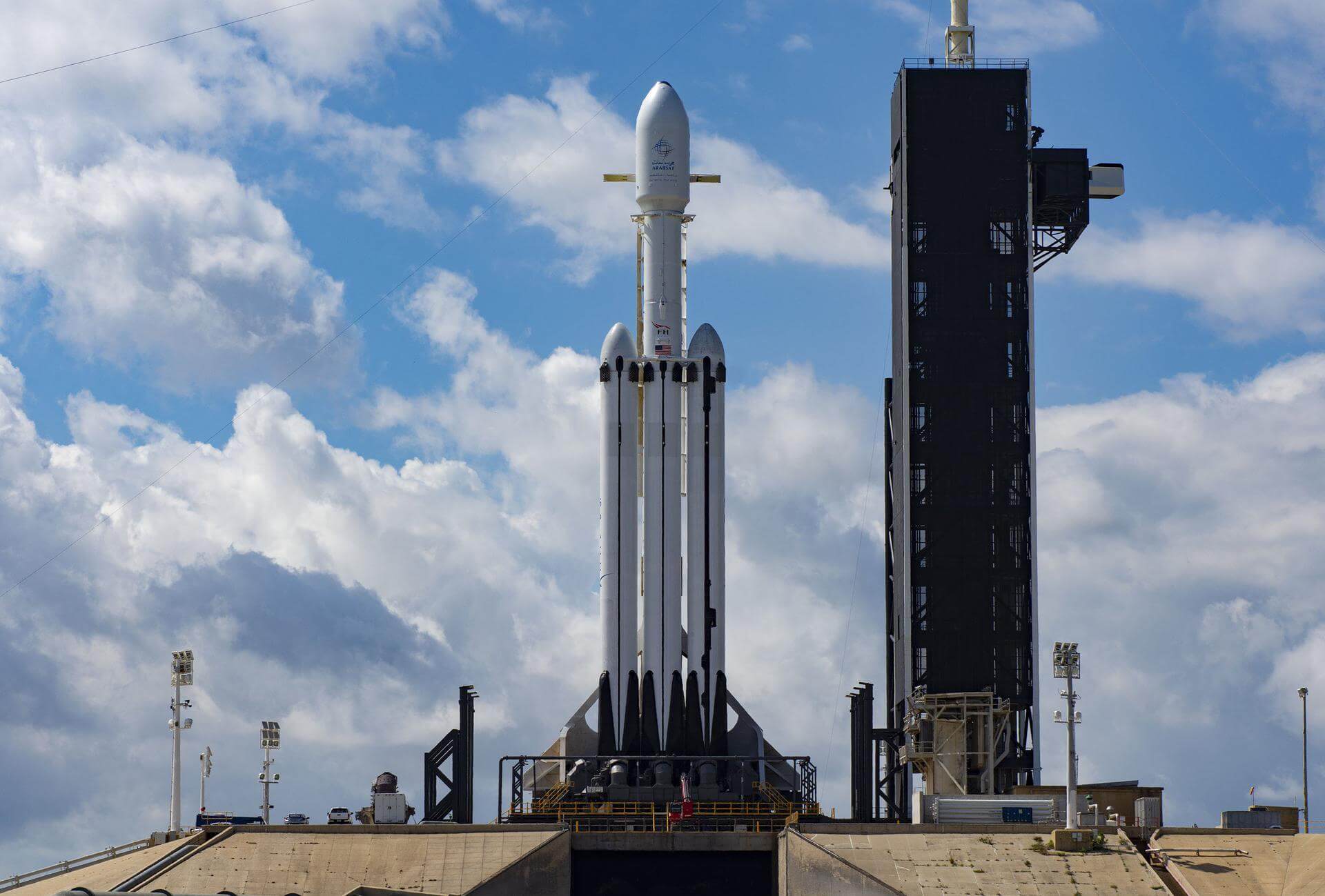
Falcon Heavy | Astrobotic-3
SpaceX | United States of AmericaKennedy Space Center, FL, USA
TBD December, 2027
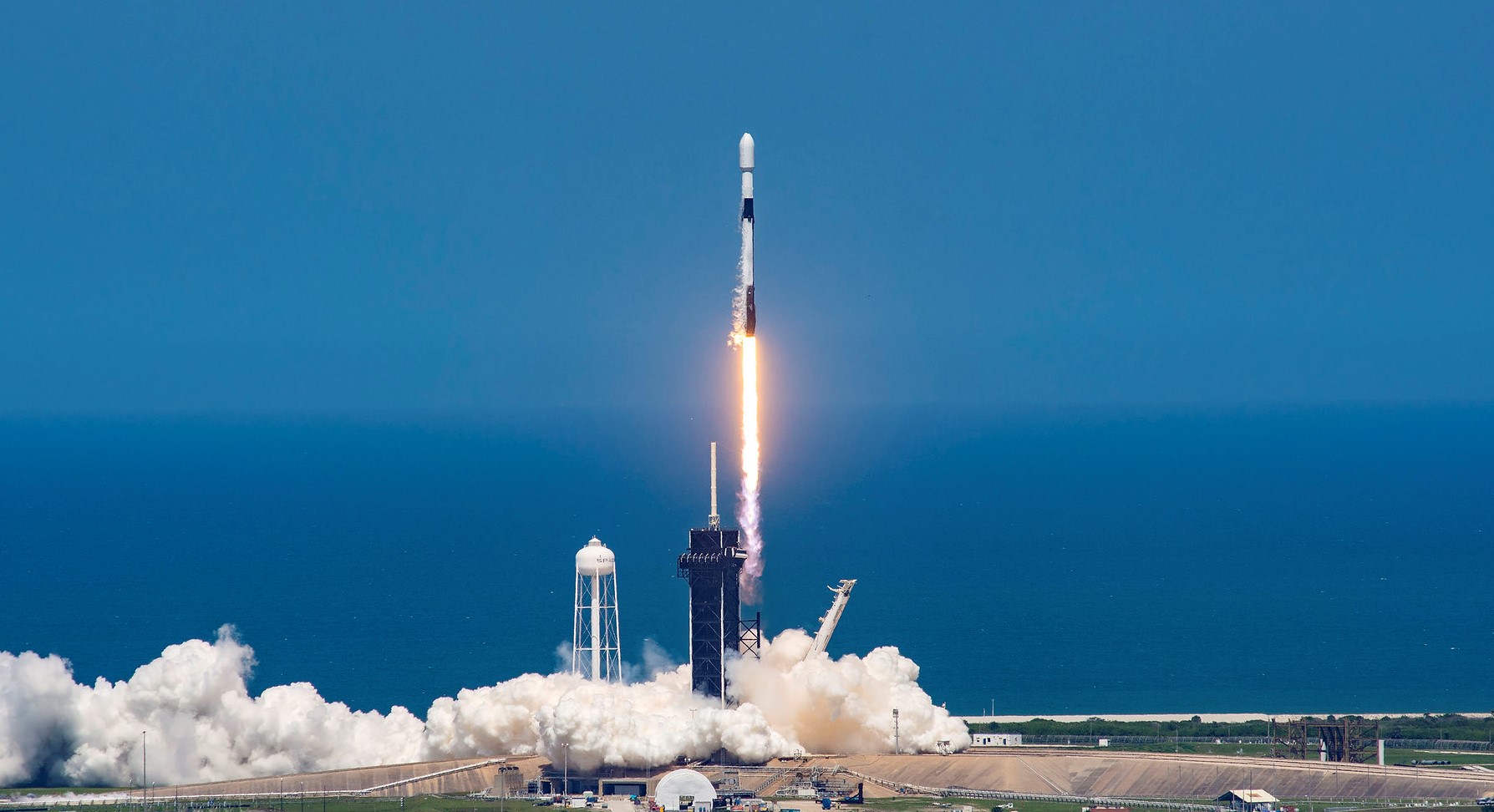
Falcon 9 Block 5 | Skynet 6A
SpaceX | United States of AmericaCape Canaveral SFS, FL, USA
TBD December, 2027
Status: To Be Determined
Mission:
The Skynet 6A gap-filler military communications satellite built by Airbus Defence and Space to cover the gap between the Britisch Skynet-5 network and its successor. Skynet 6A was solesourced from Airbus Defence and Space in 2017, but was not fully funded until July 2020. Aibus will build the Skynet-6A satellite in the United Kingdom and arrange a 2025 launch. RAL Space, a U.K. national laboratory, will test the all-electric satellite at its facility in Harwell. Skynet-6A, based on the Eurostar-Neo platform, is expected to provide communications services for the British military until at least 2040.
Geostationary Transfer OrbitFalcon 9 Block 5 | Nova-C IM-4 & 2 Lunar Data Relay Satellites
SpaceX | United States of AmericaCape Canaveral SFS, FL, USA
TBD December, 2027
Falcon 9 Block 5 | TSIS-2
SpaceX | United States of AmericaCape Canaveral SFS, FL, USA
TBD December, 2027
Status: To Be Determined
Mission:
The Total and Spectral Solar Irradiance Sensor 2 (TSIS-2) is a satellite designed by NASA to measure the Sun's energy input to Earth. TSIS-2 comprises two instruments, the Total Irradiance Monitor (TIM), and the spectral Irradiance Monitor (SIM). TIM measures total brightness and SIM measures spectral irradiance over a wavelength range that includes 96% of the energy in the solar spectrum. Both instruments are similar to those used for the TSIS-1 mission onboard the International Space Station.
Sun-Synchronous OrbitFalcon 9 Block 5 | Telesat Lightspeed 12
SpaceX | United States of AmericaCape Canaveral SFS, FL, USA
TBD December, 2027
Falcon 9 Block 5 | Telesat Lightspeed 8
SpaceX | United States of AmericaCape Canaveral SFS, FL, USA
TBD December, 2027
Falcon 9 Block 5 | Chinggis Sat
SpaceX | United States of AmericaCape Canaveral SFS, FL, USA
TBD December, 2027
Status: To Be Determined
Mission:
Chinggis Sat is a Mongolian national geostationary orbit telecommunications satellite for the Mongolia Ministry of Digital Development and Communications. Thales Alenia Space will be responsible for construction of the high-performance Ku-Band satellite. Once launched, the satellite will make high-speed internet available throughout Mongolia, including to those in rural areas and under-served nomadic communities, enabling easier and wider access to services such as tele-medicine, e-learning, e-government services and supporting the growth of high value add sectors of the economy. It will be positioned at the 113.6° E orbital slot and will be based on the space-proven, cutting-edge SpaceBus 4000 satellite bus.
Geostationary Transfer OrbitFalcon 9 Block 5 | Telesat Lightspeed 13
SpaceX | United States of AmericaCape Canaveral SFS, FL, USA
TBD December, 2027
Falcon 9 Block 5 | Thor 8
SpaceX | United States of AmericaCape Canaveral SFS, FL, USA
TBD December, 2027
Status: To Be Determined
Mission:
Thor 8 is a multi-purpose communications satellite for Space Norway. The satellite will both replace older satellites being phased out in the coming years and provide increased capacity and service offerings that offers capacity for both data services and broadcasting, such as high power direct-to-home (DTH) television services, from the 1° West orbital position. It carries two dedicated payloads for broadcasting in Europe and the Nordics, as well as payloads for data services to commercial and governmental customers. With a launch mass of 4 metric tons, the satellite will be built on Thales Alenia Space’s Spacebus-4000B2 platform and will operate in the Ka and Ku frequency bands.
Geostationary Transfer Orbit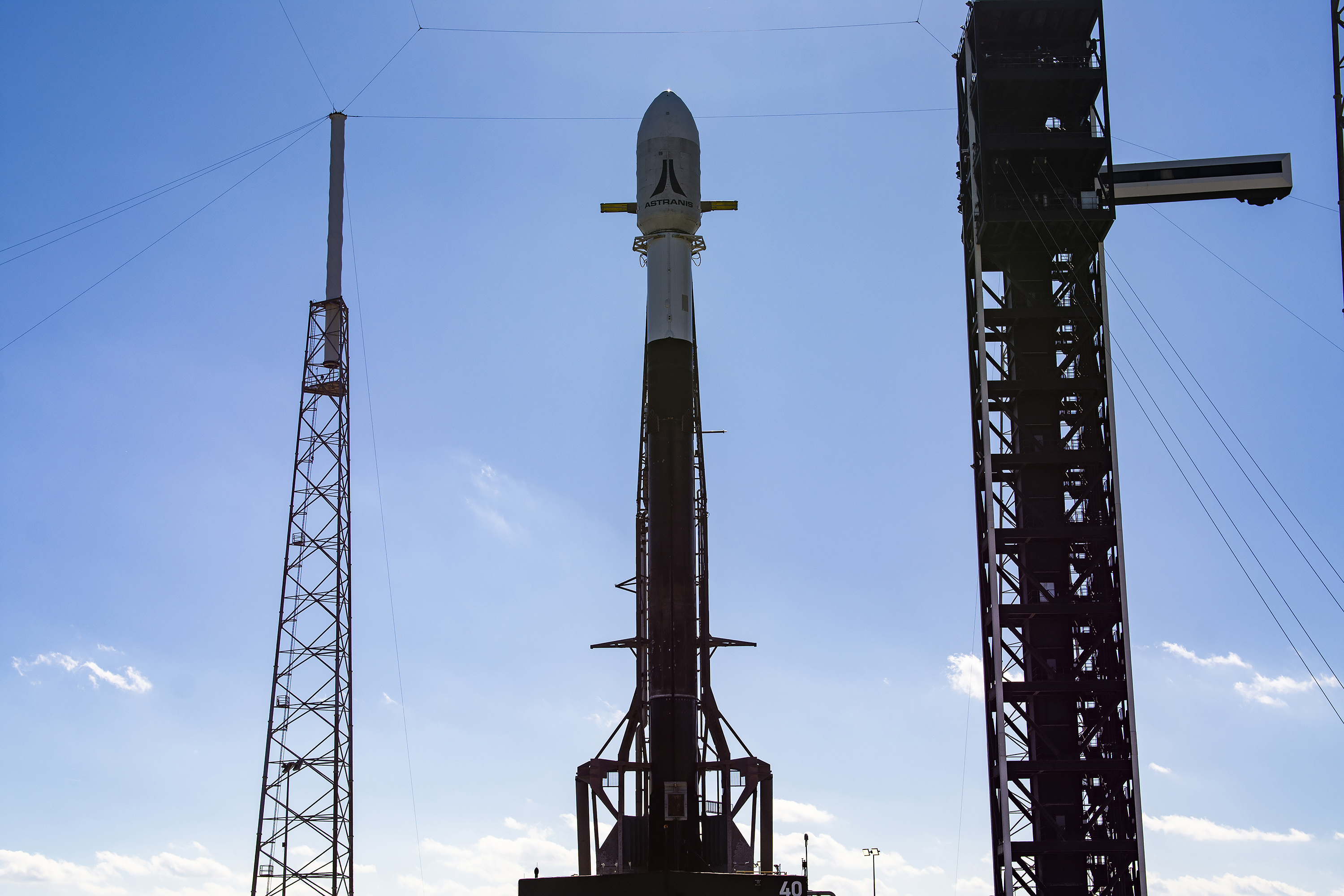
Falcon 9 Block 5 | 6x Astranis MicroGEO
SpaceX | United States of AmericaCape Canaveral SFS, FL, USA
TBD December, 2027
Status: To Be Determined
Mission:
Six Astranis MicroGEO communications satellite to be inserted into Low Earth orbit by the Falcon 9, from where the Helios upper stage provided by Impulse Space will carry the satellites to geostationary orbit within 24 hours of launch.
Geostationary OrbitElectron
Bubbles
Rocket Lab Launch Complex 2 (Launch Area 0 C) - Wallops Flight Facility, Virginia, USASub-orbital launch under Rocket Lab’s Hypersonic Accelerator Suborbital Test Electron (HASTE) program, details TBD.
Falcon 9
GPS III SV10
Space Launch Complex 40 - Cape Canaveral SFS, FL, USATenth of ten GPS III missions.
Falcon 9
Starlink Group 17-22
Space Launch Complex 4E - Vandenberg SFB, CA, USAA batch of 25 satellites for the Starlink mega-constellation - SpaceX's project for space-based Internet communication system.
New Glenn
BlueBird Block 2 #2
Launch Complex 36A - Cape Canaveral SFS, FL, USAAST SpaceMobile’s Block 2 BlueBird satellites are designed to deliver up to 10 times the bandwidth capacity of the BlueBird Block 1 satellites, requi…
Long March 4C
Daqi-2 (AEMS)
Launch Area 94 (SLS-2 / 603) - Jiuquan Satellite Launch Center, People's Republic of ChinaDaqi-2 (DQ-2), also known as the Atmospheric Environment Monitoring Satellite/AEMS, is the second of follow-on series of Chinese satellites to the GF…
Soyuz 2.1b/Volga
Kosmos (Unknown Payload)
43/4 (43R) - Plesetsk Cosmodrome, Russian FederationUnknown satellite(s) for the Russian military.
Falcon 9
Starlink Group 17-27
Space Launch Complex 4E - Vandenberg SFB, CA, USAA batch of 25 satellites for the Starlink mega-constellation - SpaceX's project for space-based Internet communication system.
Falcon 9
Starlink Group 10-24
Space Launch Complex 40 - Cape Canaveral SFS, FL, USAA batch of 29 satellites for the Starlink mega-constellation - SpaceX's project for space-based Internet communication system.
Kinetica 1
8 x Jilin-1
Launch Area 130 - Jiuquan Satellite Launch Center, People's Republic of China8 Earth observation satellites for the Jilin-1 commercial Earth observation satellites constellation: * High Resolution-07A 02-04 * High Resoluti…
Falcon 9
Cygnus CRS-2 NG-24 (S.S. Steven R. Nagel)
Space Launch Complex 40 - Cape Canaveral SFS, FL, USAThis is the 24th flight of the Orbital ATK's uncrewed resupply spacecraft Cygnus and its 23rd flight to the International Space Station under the Com…

