Florida Launch Schedule
Upcoming launches out of Kennedy Space Center and Cape Canaveral AFB
Filter by Agency, Locations or Vehicles
Show All Launches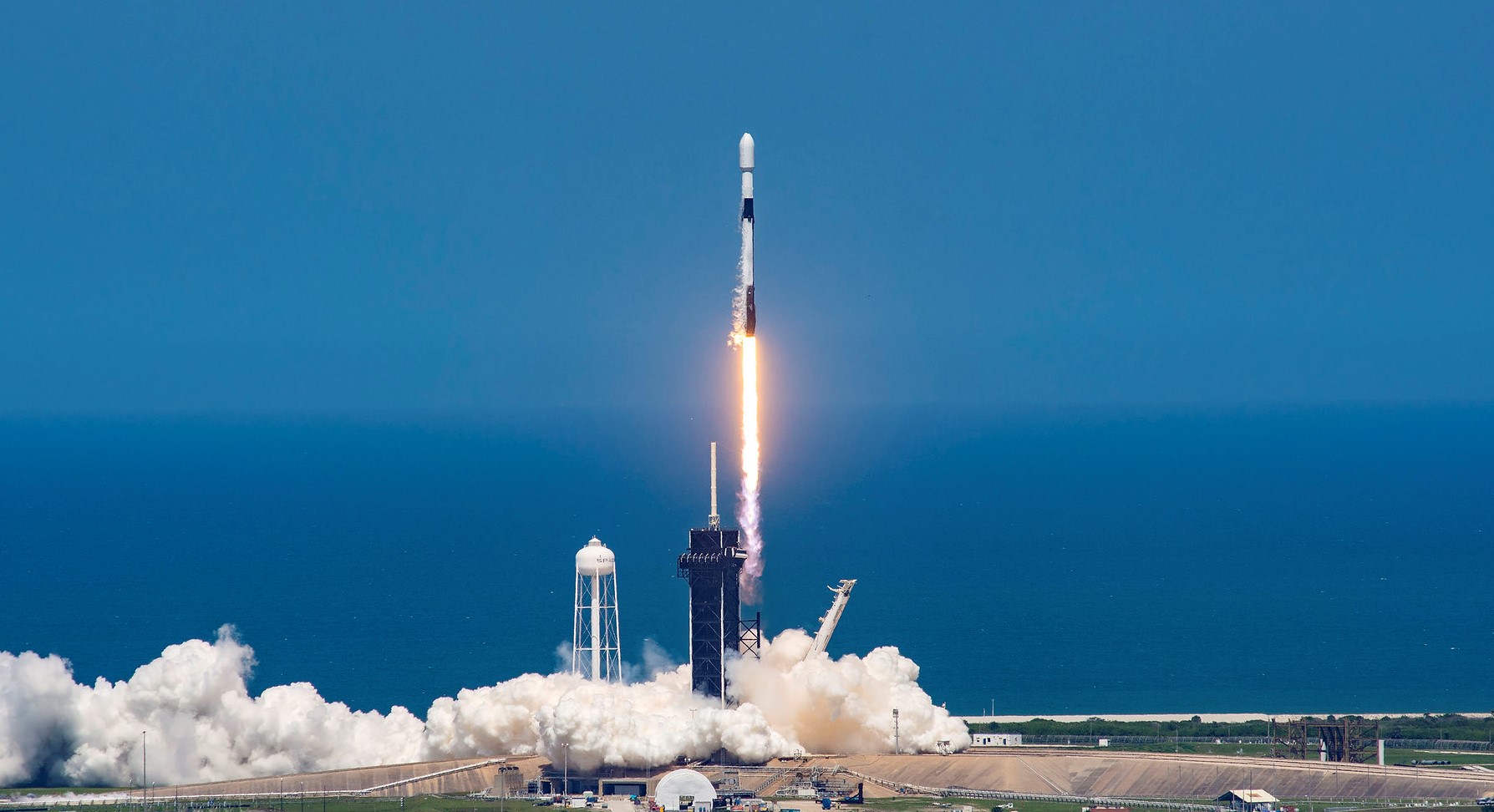
Falcon 9 Block 5 | Telesat Lightspeed 8
SpaceX | United States of AmericaCape Canaveral SFS, FL, USA
TBD December, 2027
Falcon 9 Block 5 | Telesat Lightspeed 9
SpaceX | United States of AmericaCape Canaveral SFS, FL, USA
TBD December, 2027
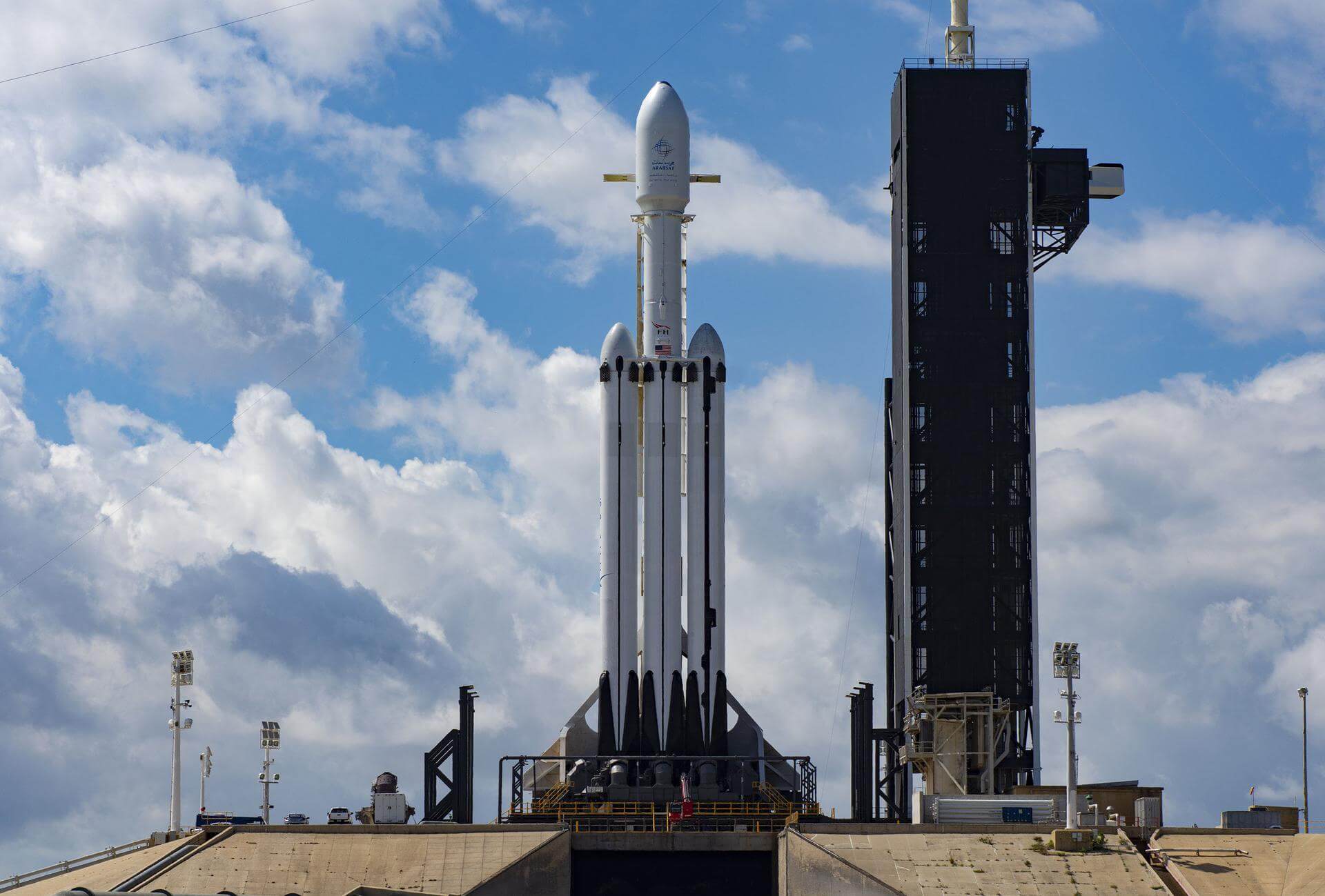
Falcon Heavy | Astrobotic-3
SpaceX | United States of AmericaKennedy Space Center, FL, USA
TBD December, 2027
Falcon 9 Block 5 | FOO Fighter (F2)
SpaceX | United States of AmericaCape Canaveral SFS, FL, USA
TBD December, 2027
Falcon 9 Block 5 | Telesat Lightspeed 10
SpaceX | United States of AmericaCape Canaveral SFS, FL, USA
TBD December, 2027
Falcon 9 Block 5 | Telesat Lightspeed 11
SpaceX | United States of AmericaCape Canaveral SFS, FL, USA
TBD December, 2027
Falcon 9 Block 5 | Chinggis Sat
SpaceX | United States of AmericaCape Canaveral SFS, FL, USA
TBD December, 2027
Status: To Be Determined
Mission:
Chinggis Sat is a Mongolian national geostationary orbit telecommunications satellite for the Mongolia Ministry of Digital Development and Communications. Thales Alenia Space will be responsible for construction of the high-performance Ku-Band satellite. Once launched, the satellite will make high-speed internet available throughout Mongolia, including to those in rural areas and under-served nomadic communities, enabling easier and wider access to services such as tele-medicine, e-learning, e-government services and supporting the growth of high value add sectors of the economy. It will be positioned at the 113.6° E orbital slot and will be based on the space-proven, cutting-edge SpaceBus 4000 satellite bus.
Geostationary Transfer OrbitFalcon 9 Block 5 | JSAT-32
SpaceX | United States of AmericaCape Canaveral SFS, FL, USA
TBD December, 2027
Status: To Be Determined
Mission:
JSAT-32 is a geostationary communication satellite for SKY Perfect JSAT. Operating in the Ku and Ka frequency bands, JSAT-32 will provide coverage over Japan and its surrounding seas, with newly added spot beams for mobility applications. JSAT-32 will serve as a future replacement for existing SKY Perfect JSAT satellites that provide communication and distribution services in Japan.
Geostationary Transfer OrbitFalcon 9 Block 5 | Telesat Lightspeed 14
SpaceX | United States of AmericaCape Canaveral SFS, FL, USA
TBD December, 2027
Falcon 9 Block 5 | NEO Surveyor
SpaceX | United States of AmericaCape Canaveral SFS, FL, USA
TBD June, 2028
Status: To Be Determined
Mission:
NASA's Near-Earth Object (NEO) Surveyor mission is designed to help advance planetary defense efforts to discover and characterize most of the potentially hazardous asteroids and comets that come within 30 million miles of Earth’s orbit. These are collectively known as near-earth objects, or NEOs. NEO Surveyor consists of a single scientific instrument: a 50 centimeter (nearly 20 inch) diameter telescope that operates in two heat-sensing infrared wavelengths. It will be capable of detecting both bright and dark asteroids, which are the most difficult type to find.
Heliocentric L1Falcon 9
Starlink Group 10-24
Space Launch Complex 40 - Cape Canaveral SFS, FL, USAA batch of 29 satellites for the Starlink mega-constellation - SpaceX's project for space-based Internet communication system.
Kinetica 1
8 x Jilin-1
Launch Area 130 - Jiuquan Satellite Launch Center, People's Republic of China8 Earth observation satellites for the Jilin-1 commercial Earth observation satellites constellation: * High Resolution-07A 02-04 * High Resoluti…
Falcon 9
Cygnus CRS-2 NG-24 (S.S. Steven R. Nagel)
Space Launch Complex 40 - Cape Canaveral SFS, FL, USAThis is the 24th flight of the Orbital ATK's uncrewed resupply spacecraft Cygnus and its 23rd flight to the International Space Station under the Com…
Smart Dragon 3
SatNet test satellite
South China Sea (launch location 3) - Haiyang Oriental SpaceportOfficially described as "Satellite-Internet Technology Demonstration Satellite". Probable 1 (?) test satellite for the Chinese state-owned LEO commun…
Falcon 9
Starlink Group 17-21
Space Launch Complex 4E - Vandenberg SFB, CA, USAA batch of 25 satellites for the Starlink mega-constellation - SpaceX's project for space-based Internet communication system.
Long March 6A
SatNet LEO Group 21
Launch Complex 9A - Taiyuan Satellite Launch Center, People's Republic of ChinaA batch of 5 Low Earth Orbit communication satellites for the Chinese state owned SatNet constellation operated by the China Satellite Network Group.…
Long March 8
SpaceSail Polar Group 07
Commercial LC-1 - Wenchang Space Launch Site, People's Republic of China18 Low Earth Orbit communication satellites with Ku, Q and V band payloads for the G60 constellation operated by Shanghai Spacesail Technologies with…
Minotaur IV
STP-S29A
Space Launch Complex 8 - Vandenberg SFB, CA, USASTP-S29A is a mission under the U.S. Department of Defense's Space Test Program (STP) that will deliver technology demonstrations to orbit and contri…
Falcon 9
Starlink Group 17-35
Space Launch Complex 4E - Vandenberg SFB, CA, USAA batch of 25 satellites for the Starlink mega-constellation - SpaceX's project for space-based Internet communication system.
Atlas V 551
Amazon Leo (LA-05)
Space Launch Complex 41 - Cape Canaveral SFS, FL, USAAmazon Leo, formerly known as Project Kuiper, is a mega constellation of satellites in Low Earth Orbit that will offer broadband internet access, thi…

