Upcoming Spaceflight Launches
Filter by Agency, Locations or Vehicles
Show All Launches
Electron | iQPS Launch 11
Rocket Lab | United States of AmericaRocket Lab Launch Complex 1, Mahia Peninsula, New Zealand
TBD December, 2026
Electron | StriX Launch 12
Rocket Lab | United States of AmericaRocket Lab Launch Complex 1, Mahia Peninsula, New Zealand
TBD December, 2026
Electron | StriX Launch 10
Rocket Lab | United States of AmericaRocket Lab Launch Complex 1, Mahia Peninsula, New Zealand
TBD December, 2026
HASTE | Leidos-5
Rocket Lab | United States of AmericaWallops Flight Facility, Virginia, USA
TBD December, 2026
Electron | iQPS Launch 10
Rocket Lab | United States of AmericaRocket Lab Launch Complex 1, Mahia Peninsula, New Zealand
TBD December, 2026
Electron | BlackSky Gen-3 7
Rocket Lab | United States of AmericaRocket Lab Launch Complex 1, Mahia Peninsula, New Zealand
TBD December, 2026
Electron | BlackSky Gen-3 8
Rocket Lab | United States of AmericaRocket Lab Launch Complex 1, Mahia Peninsula, New Zealand
TBD December, 2026
Electron | StriX Launch 11
Rocket Lab | United States of AmericaRocket Lab Launch Complex 1, Mahia Peninsula, New Zealand
TBD December, 2026
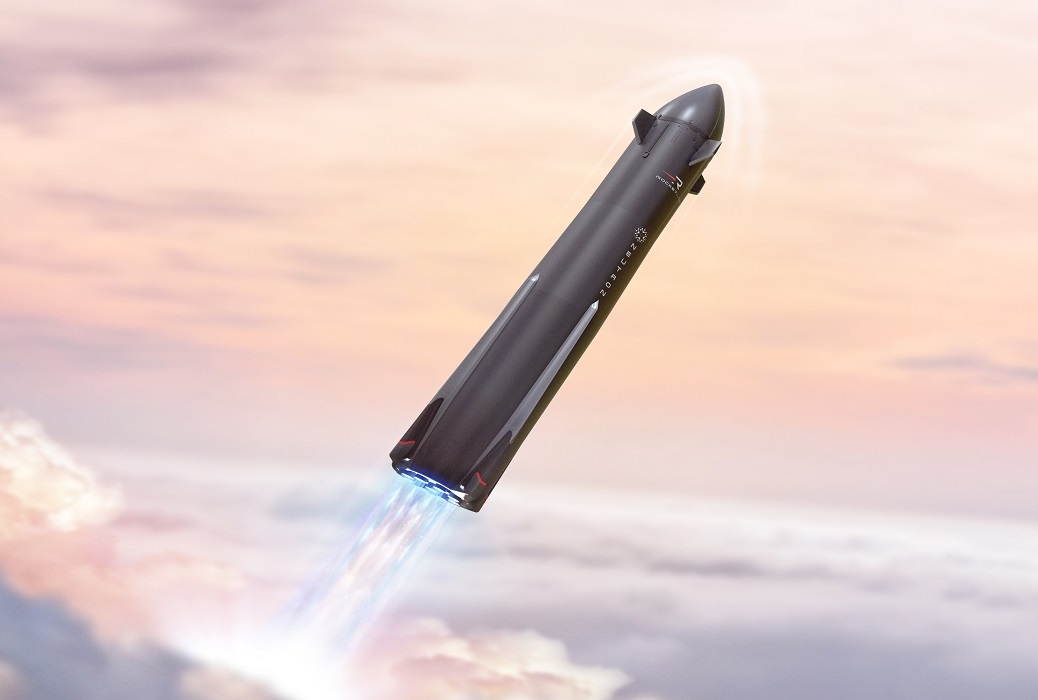
Neutron | Maiden Flight
Rocket Lab | United States of AmericaWallops Flight Facility, Virginia, USA
TBD December, 2026
Electron | 6x HawkEye 360
Rocket Lab | United States of AmericaWallops Flight Facility, Virginia, USA
TBD December, 2026
Status: To Be Determined
Mission:
HawkEye 360 is a a space-based civil global intelligence satellite network using radio frequency (RF) technology to help monitor transportation across air, land and sea and assist with emergencies, and to provide civil SIGINT (Signal Intelligence) mission. The constellation of small satellites (named Hawk ) will collect information on specific radio signals worldwide to provide high-precision radio frequency mapping and analytics from Low Earth orbit (LEO).
Low Earth OrbitKuaizhou 11
8 satellites
Launch Area 95A - Jiuquan Satellite Launch Center, People's Republic of ChinaRide-share launch of 8 satellites to sun-synchronous orbit. Details TBD.
Long March 6A
Yaogan 50-02
Launch Complex 9A - Taiyuan Satellite Launch Center, People's Republic of ChinaThe Yaogan 50-02 is a Chinese military “remote sensing” satellite of unknown purposes.
Falcon 9
Starlink Group 10-48
Space Launch Complex 40 - Cape Canaveral SFS, FL, USAA batch of 29 satellites for the Starlink mega-constellation - SpaceX's project for space-based Internet communication system.
Falcon 9
Starlink Group 17-31
Space Launch Complex 4E - Vandenberg SFB, CA, USAA batch of 25 satellites for the Starlink mega-constellation - SpaceX's project for space-based Internet communication system.
Long March 2D
Shiyan 30 03-04
Launch Complex 3 (LC-3/LA-1) - Xichang Satellite Launch Center, People's Republic of ChinaA pair of Chinese satellites reported to be for "Earth observation technological testing and validation" purposes. Actual usage not known.
Long March 8A
SatNet LEO Group 20
Commercial LC-1 - Wenchang Space Launch Site, People's Republic of ChinaA batch of 9 Low Earth Orbit communication satellites for the Chinese state owned SatNet constellation operated by the China Satellite Network Group.…
Firefly Alpha
Stairway to Seven
Space Launch Complex 2W - Vandenberg SFB, CA, USAFirefly Alpha's Flight 7 is a test flight and return-To-Flight for the launch vehicle after its April 2025 launch failure. It will test and validate …
Falcon 9
EchoStar 25
Space Launch Complex 40 - Cape Canaveral SFS, FL, USAEchoStar 25 is a direct broadcast satellite, built on the proven Maxar 1300 series platform, which will deliver content across North America. It will…
Falcon 9
Starlink Group 17-18
Space Launch Complex 4E - Vandenberg SFB, CA, USAA batch of 25 satellites for the Starlink mega-constellation - SpaceX's project for space-based Internet communication system.
Electron
Insight At Speed Is A Friend Indeed (BlackSky Gen-3 4)
Rocket Lab Launch Complex 1A - Rocket Lab Launch Complex 1, Mahia Peninsula, New ZealandNote: Payload and customer identities were not publicly announced. 4th of the BlackSky Gen-3 high resolution Earth-imaging satellites.

