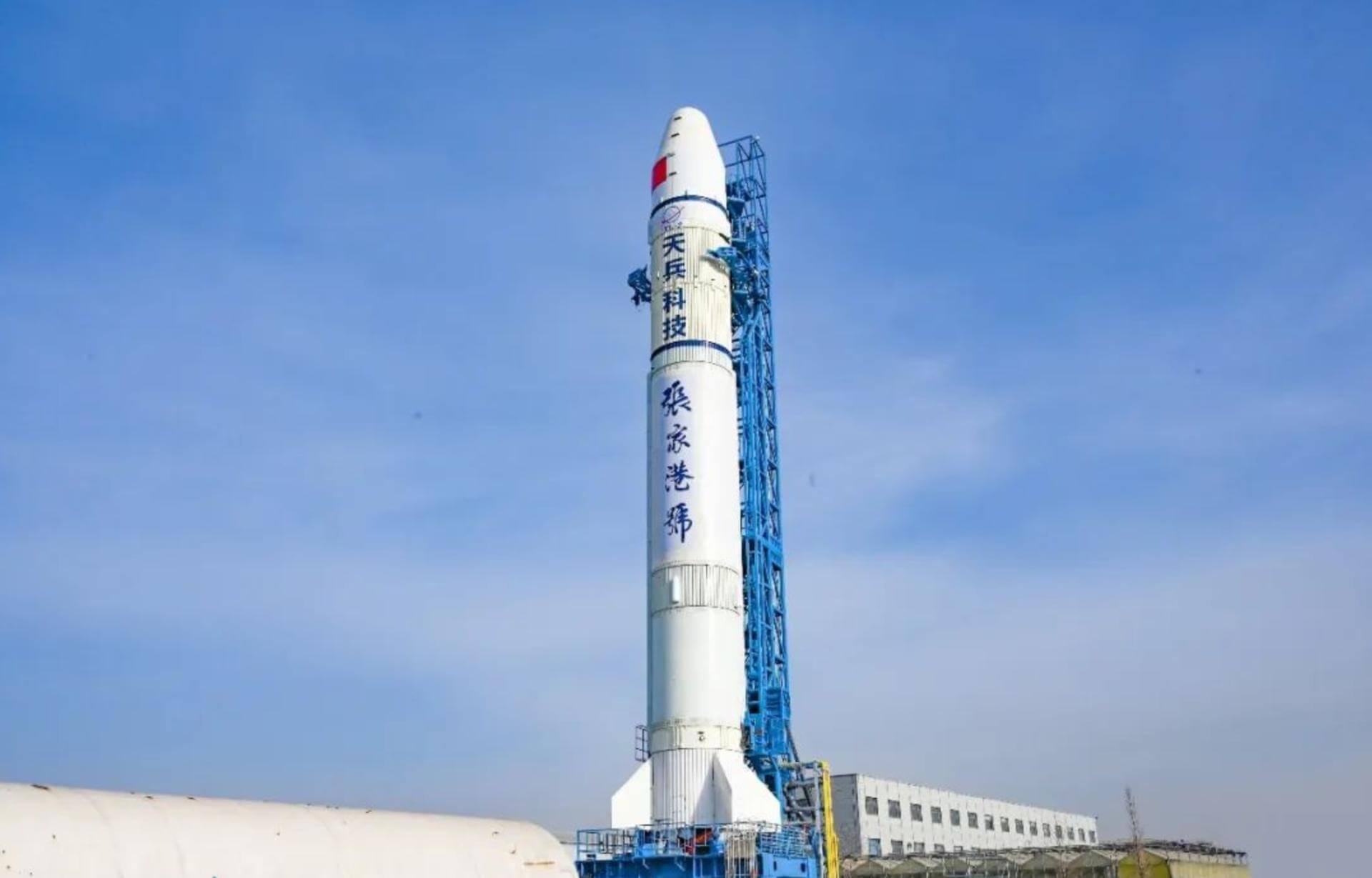
Tianlong-2
ActiveSpace Pioneer (SP)
April 2, 2023
Description
Tianlong-2 is a medium-sized, 3 stage rocket powered by RP-1 and liquid oxygen, with payload capability of 2 tonnes to LEO and 1.5 tonnes to SSO. Tianlong-2 has a liftoff weight of 150 tonnes, liftoff thrust of 190 tonnes and initially uses 3 YF-102 expander cycle RP-1/LOX engines on the first stage each with a thrust of 63.3 metric tonnes. The second stage uses 1 TH-11 staged combustion RP-1/LOX with a thrust of 30.6 metric tonnes. 7 TH-11 engines will be used for the 1st stage of subsequent vehicles. The third stage uses 1 TH-31 NTO/MMH hypergolic fuel engine with 3000 N thrust and 8 x 150 N RCS thrusters. The Tianlong-2 is the first Chinese RP-1-fueled private orbital rocket to attempt an orbital flight.
Specifications
-
Stages
3 -
Length
32.8 m -
Diameter
3.35 m -
Fairing Diameter
3.35 m -
Launch Mass
150.0 T -
Thrust
1863.0 kN
Family
-
Name
Tianlong-2 -
Family
― -
Variant
― -
Alias
― -
Full Name
Tianlong-2
Payload Capacity
-
Launch Cost
― -
Low Earth Orbit
2000.0 kg -
Geostationary Transfer
Orbit
― -
Direct Geostationary
― -
Sun-Synchronous Capacity
1500.0 kg
Space Pioneer
Commercial
CEO: Kang Yonglai
SP 2015Space Pioneer is a Chinese private space launch company based in Beijing. It was founded in 2015 by Kang Yonglai.
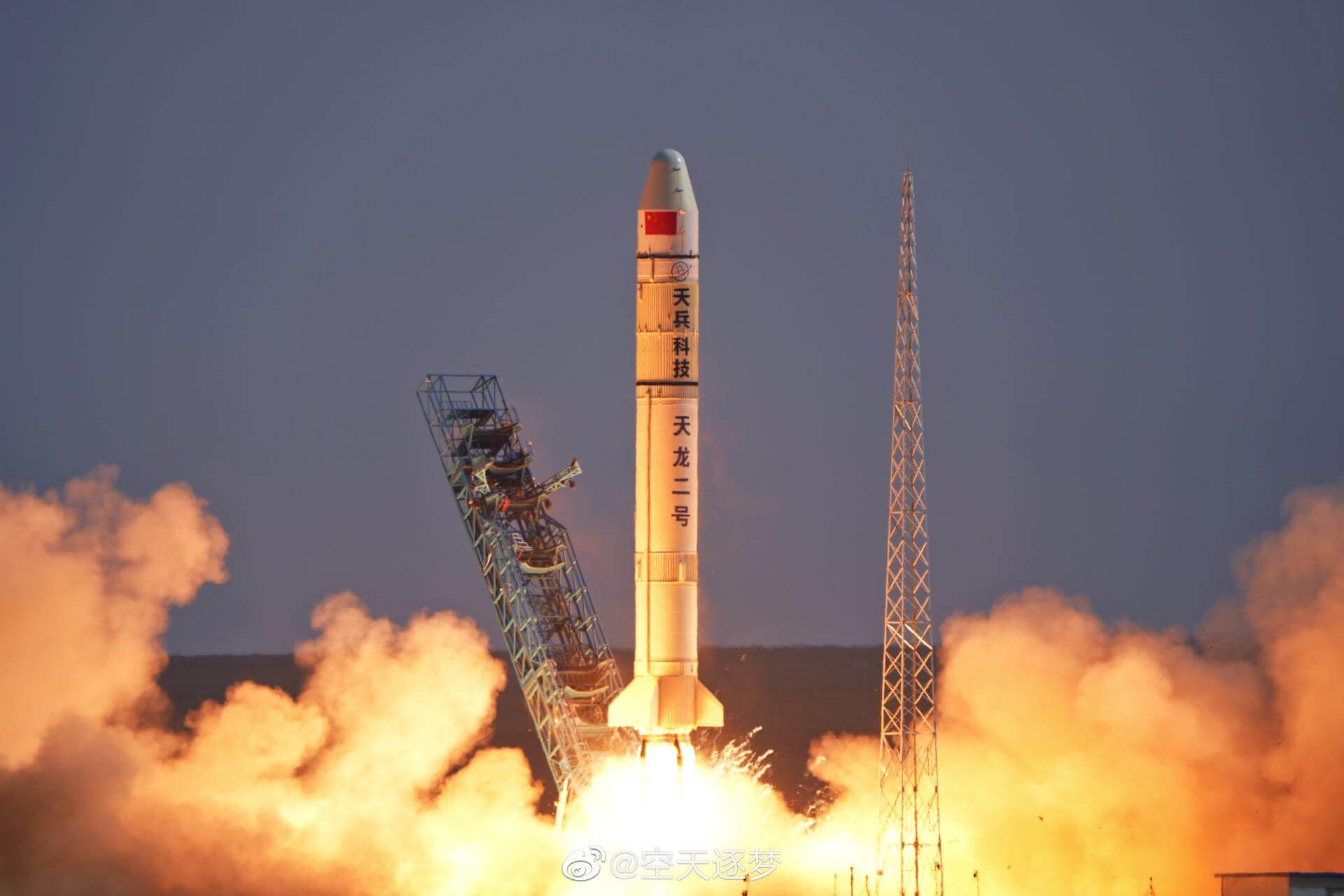
Tianlong-2 | Demo Flight
Space Pioneer | ChinaJiuquan Satellite Launch Center, People's Republic of China
April 2, 2023, 8:48 a.m.
Status: Launch Successful
Mission:
First launch of the Tianlong-2 and first launch for the Chinese private company Space Pioneer. It carried a dummy payload and the iTaikong Science cubesat to SSO for technology demonstration and public outreach Earth observation purposes.
Sun-Synchronous OrbitLong March 4C
Daqi-2 (AEMS)
Launch Area 94 (SLS-2 / 603) - Jiuquan Satellite Launch Center, People's Republic of ChinaDaqi-2 (DQ-2), also known as the Atmospheric Environment Monitoring Satellite/AEMS, is the second of follow-on series of Chinese satellites to the GF…
Soyuz 2.1b/Volga
Kosmos (Unknown Payload)
43/4 (43R) - Plesetsk Cosmodrome, Russian FederationUnknown satellite(s) for the Russian military.
Falcon 9
Starlink Group 17-27
Space Launch Complex 4E - Vandenberg SFB, CA, USAA batch of 25 satellites for the Starlink mega-constellation - SpaceX's project for space-based Internet communication system.
Falcon 9
Starlink Group 10-24
Space Launch Complex 40 - Cape Canaveral SFS, FL, USAA batch of 29 satellites for the Starlink mega-constellation - SpaceX's project for space-based Internet communication system.
Kinetica 1
8 x Jilin-1
Launch Area 130 - Jiuquan Satellite Launch Center, People's Republic of China8 Earth observation satellites for the Jilin-1 commercial Earth observation satellites constellation: * High Resolution-07A 02-04 * High Resoluti…

