Previous Spaceflight Launches
Filter by Agency, Locations or Vehicles
Show All Launches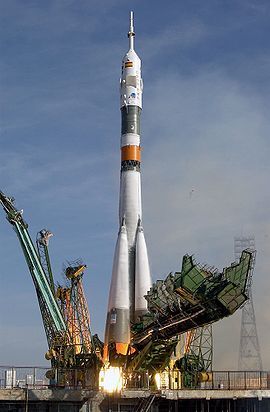
Soyuz-U-PVB | Foton-M No. 1
Progress Rocket Space Center | RussiaPlesetsk Cosmodrome, Russian Federation
Oct. 15, 2002, 6:20 p.m.
Status: Launch Failure
Mission:
Foton-M No.1 was a mission by the European Space Agency aboard a Russian Soyuz-U rocket that failed to launch successfully. The spacecraft's payload consisted of 44 experiments prepared by the European Space Agency, Fluidpac, BIOPAN-4, Telescience Support Unit, and others. Investigation found that the most likely cause of the failure was debris being ingested into the Blok D hydrogen peroxide pump, cutting off the supply of lubricant to the turbopumps. This was the first failure of an R-7 launch vehicle in the first two minutes of launch since 1988.
Low Earth Orbit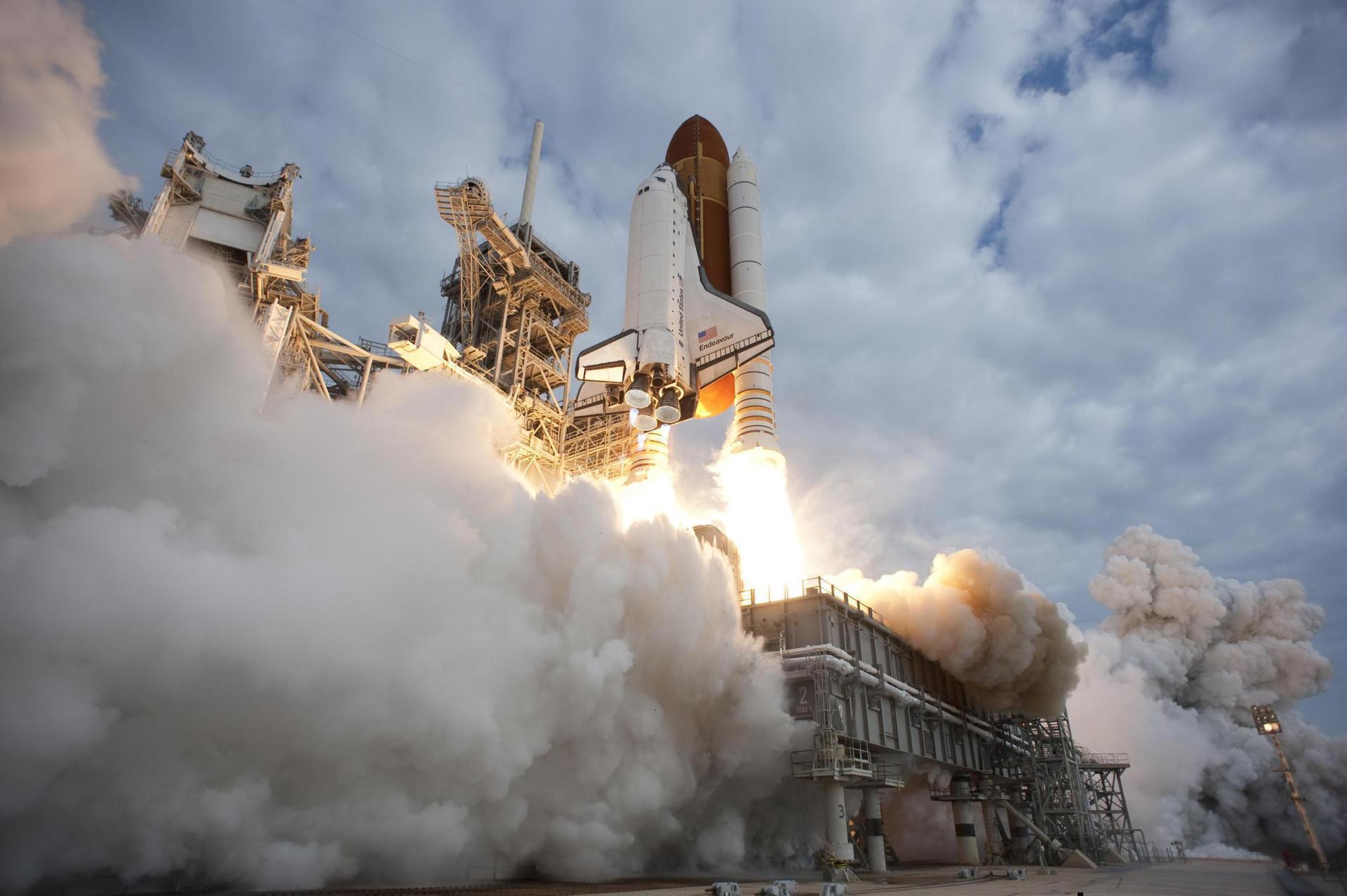
Space Shuttle Atlantis / OV-104 | STS-112
National Aeronautics and Space Administration | United States of AmericaKennedy Space Center, FL, USA
Oct. 7, 2002, 7:45 p.m.
Status: Launch Successful
Mission:
STS-112 (ISS assembly flight 9A) was an 11-day space shuttle mission to the International Space Station (ISS) flown by Space Shuttle Atlantis. Space Shuttle Atlantis was launched on 7 October 2002 at 19:45 UTC from the Kennedy Space Center's launch pad 39B to deliver the 28,000 pound Starboard 1 (S1) truss segment to the Space Station. Ending a 4.5-million-mile journey, Atlantis landed at 15:44 UTC on 18 October 2002 on runway 33 at the Kennedy Space Center's Shuttle Landing Facility.
Low Earth Orbit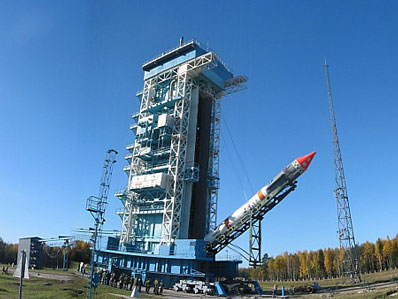
Kosmos-3M | Nadezhda-M
Russian Space Forces | RussiaPlesetsk Cosmodrome, Russian Federation
Sept. 26, 2002, 2:27 p.m.
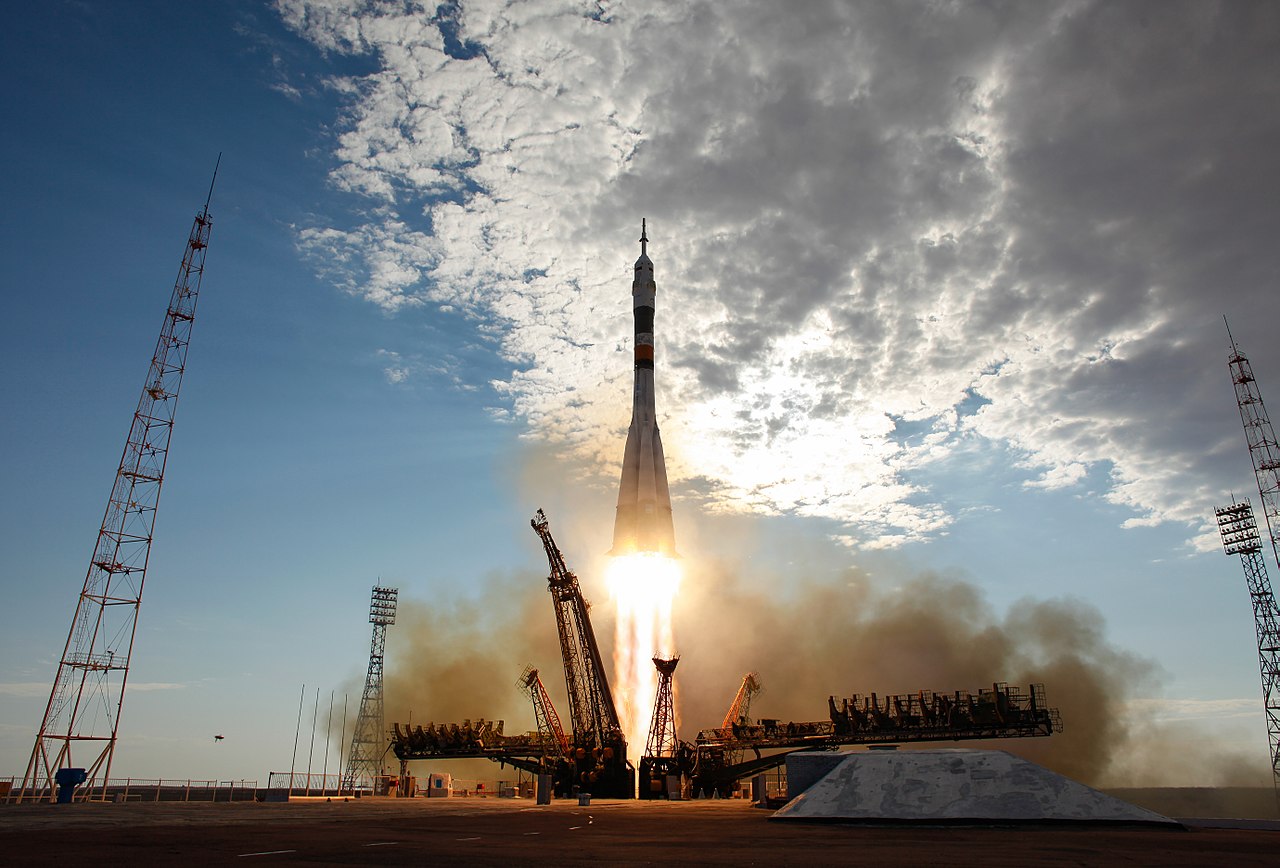
Soyuz-FG | Progress M1-9
Progress Rocket Space Center | RussiaBaikonur Cosmodrome, Republic of Kazakhstan
Sept. 25, 2002, 4:58 p.m.

Atlas IIAS | Hispasat 1D
Lockheed Martin | United States of AmericaCape Canaveral SFS, FL, USA
Sept. 18, 2002, 10:04 p.m.
Kaituozhe-1 | Hangtian Tsinghua 1-01
China Aerospace Science and Industry Corporation | ChinaTaiyuan Satellite Launch Center, People's Republic of China
Sept. 15, 2002, 10:30 a.m.
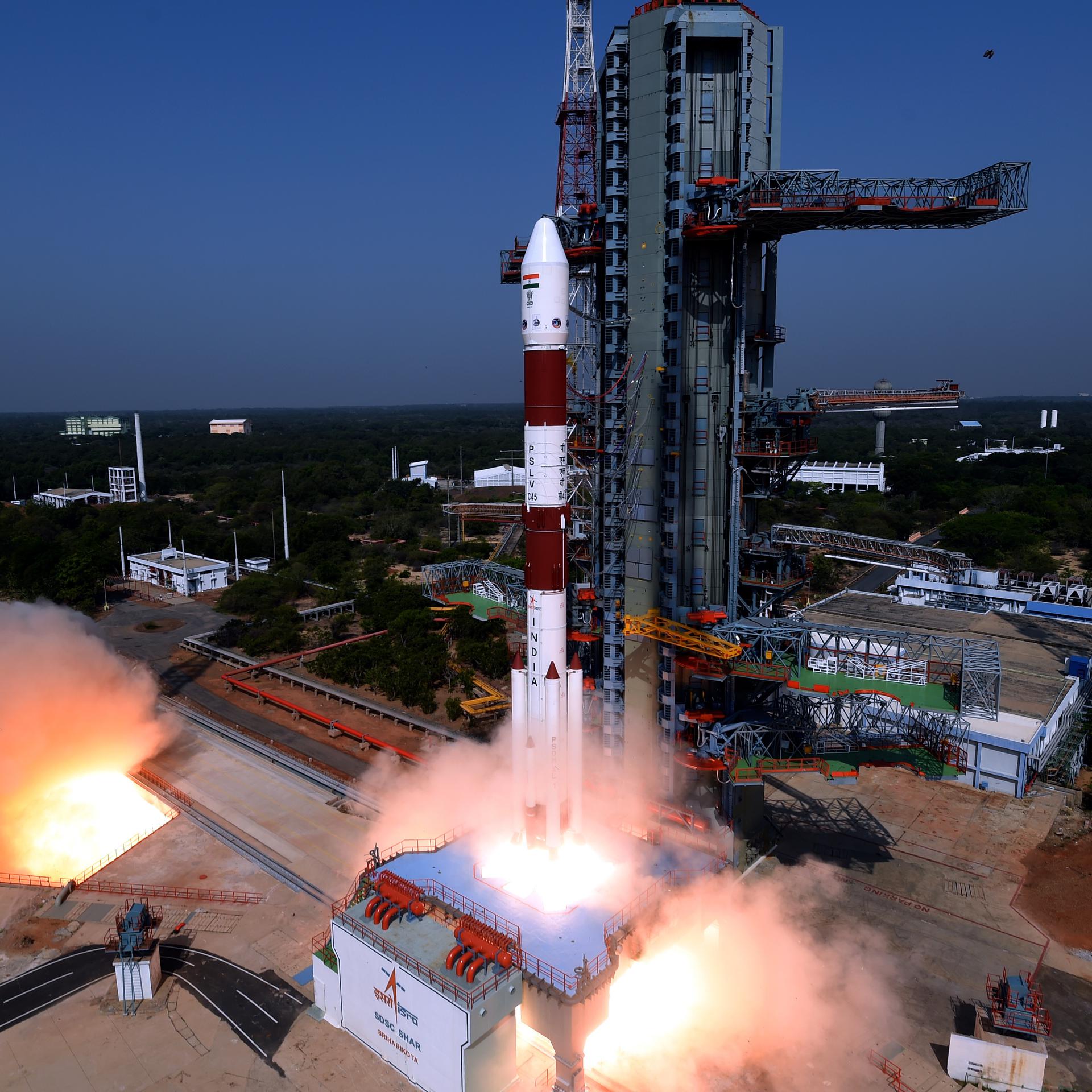
PSLV | KALPANA-1
Indian Space Research Organization | IndiaSatish Dhawan Space Centre, India
Sept. 12, 2002, 10:23 a.m.
Status: Launch Successful
Mission:
Kalpana-1 was the first dedicated meteorological satellite launched by Indian Space Research Organisation using Polar Satellite Launch Vehicle on 12 September 2002. The satellite is three-axis stabilized and is powered by solar panels, getting up to 550 watts (0.74 hp) of power. The METSAT bus was used as the basis for the Chandrayaan lunar orbiter mission of 2008.
Geostationary Orbit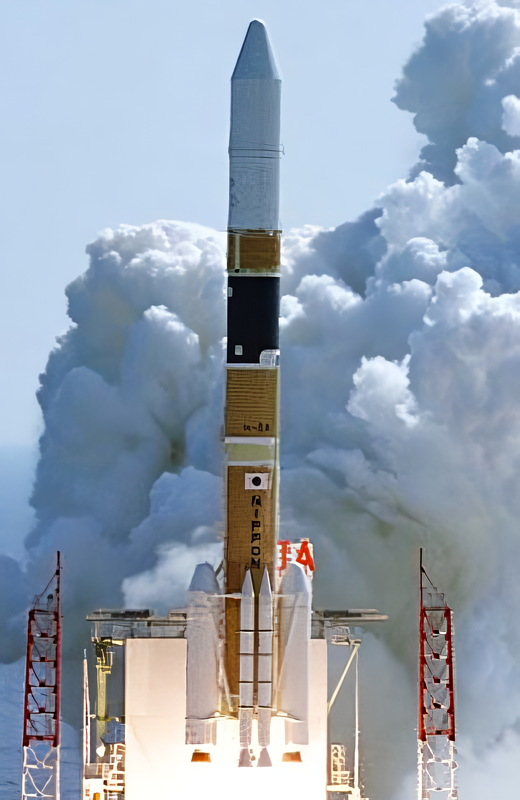
H-IIA 2024 | USERS & DRTS
Mitsubishi Heavy Industries | JapanTanegashima Space Center, Japan
Sept. 10, 2002, 8:20 a.m.
Status: Launch Successful
Mission:
USERS (Unmanned Space Experiment Recovery System) was a Japanese microgravity experimental satellite. After 8.5 months in orbit, a reentry vehicle was to be returned to earth with the materials manufacturered in space. DRTS (Data Relay & Tracking Satellite) is an inter-satellite communications experiment satellite to relay data between the target spacecraft (low earth orbit satellites, space stations, etc.) and ground stations.
Geostationary Transfer Orbit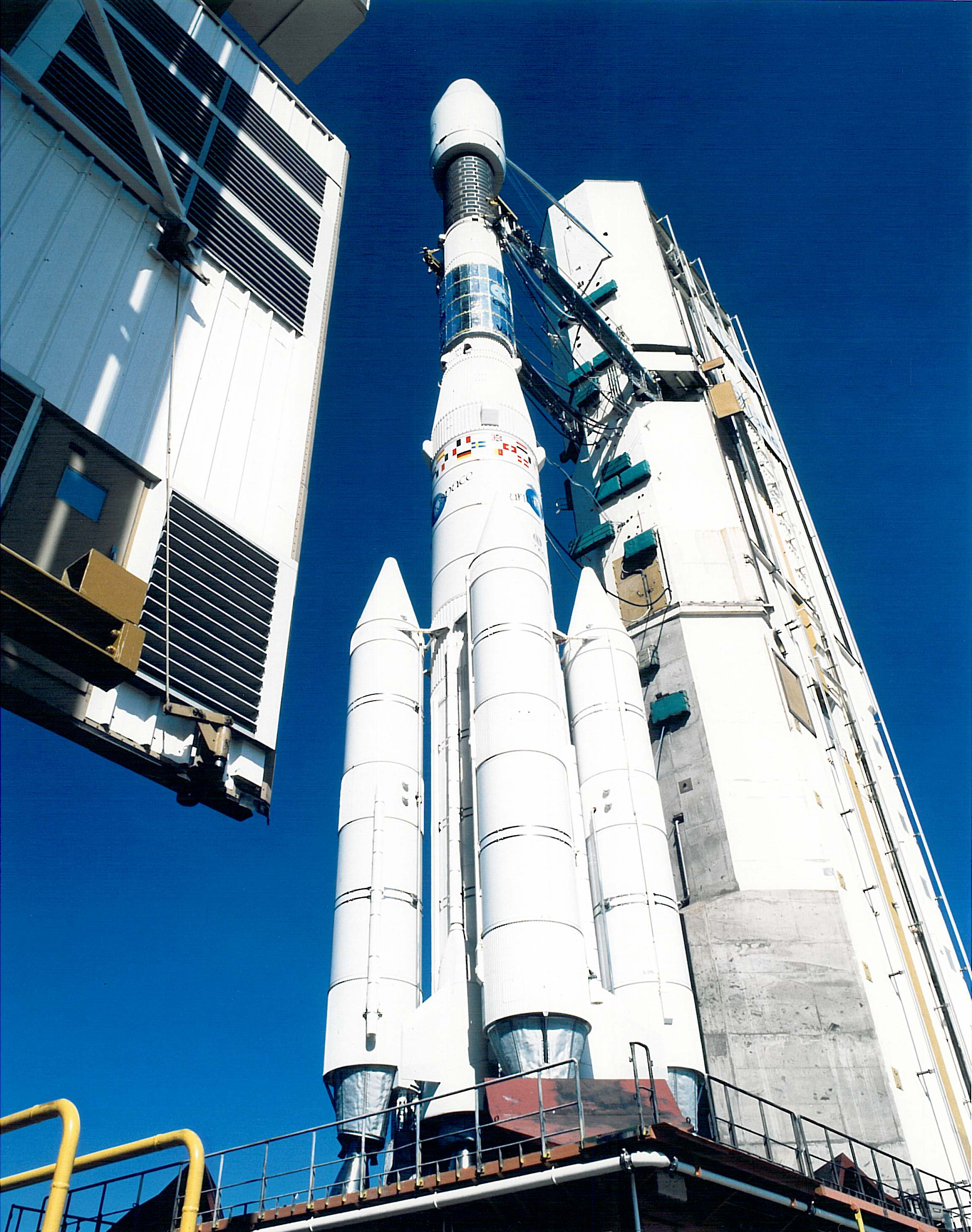
Ariane 44L | INTELSAT 906
Aérospatiale | FranceGuiana Space Centre, French Guiana
Sept. 6, 2002, 6:44 a.m.
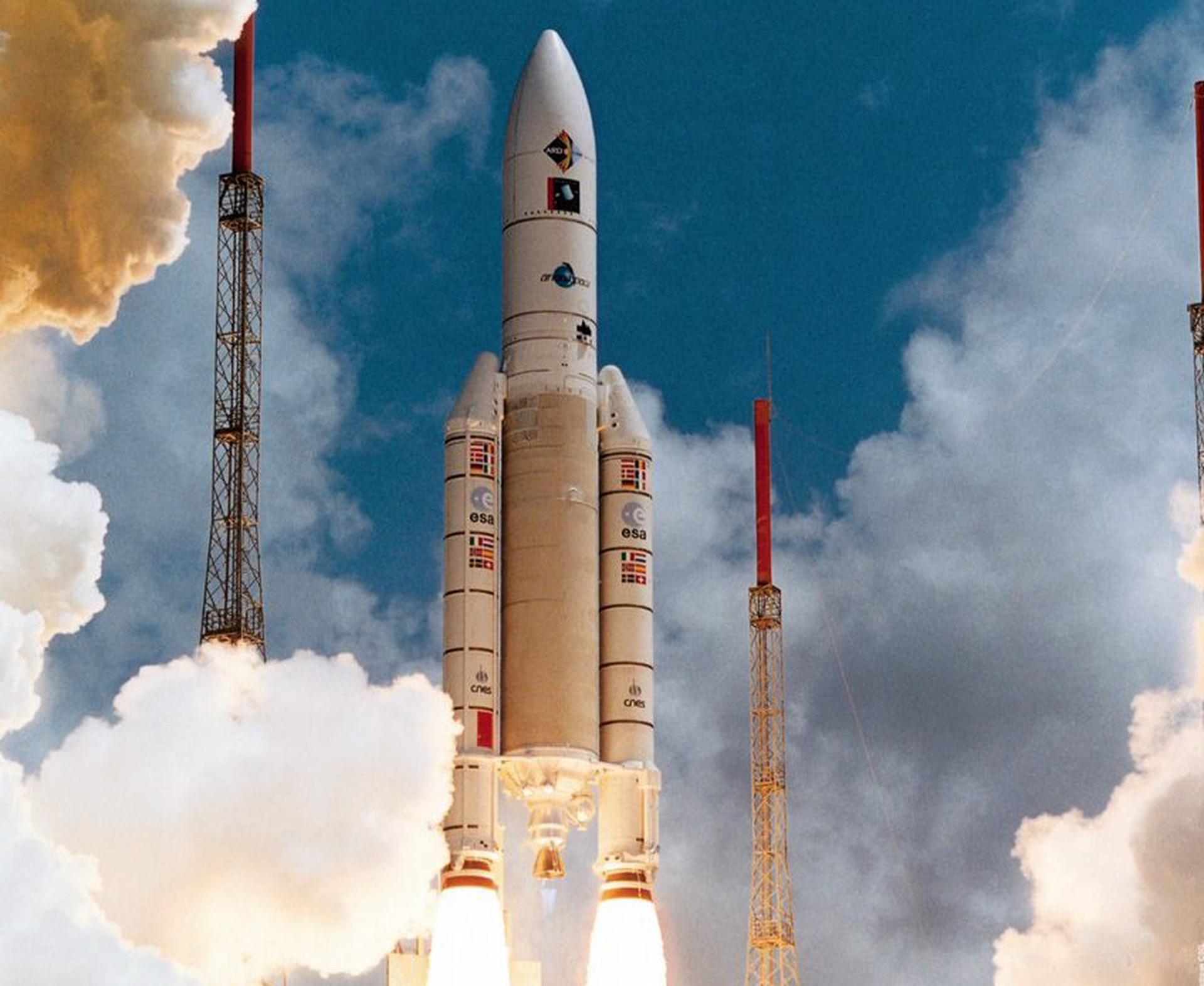
Ariane 5 G | Atlantic Bird 1 & Meteosat 8
ArianeGroup | FranceGuiana Space Centre, French Guiana
Aug. 28, 2002, 10:45 p.m.

