Previous Spaceflight Launches
Filter by Agency, Locations or Vehicles
Show All Launches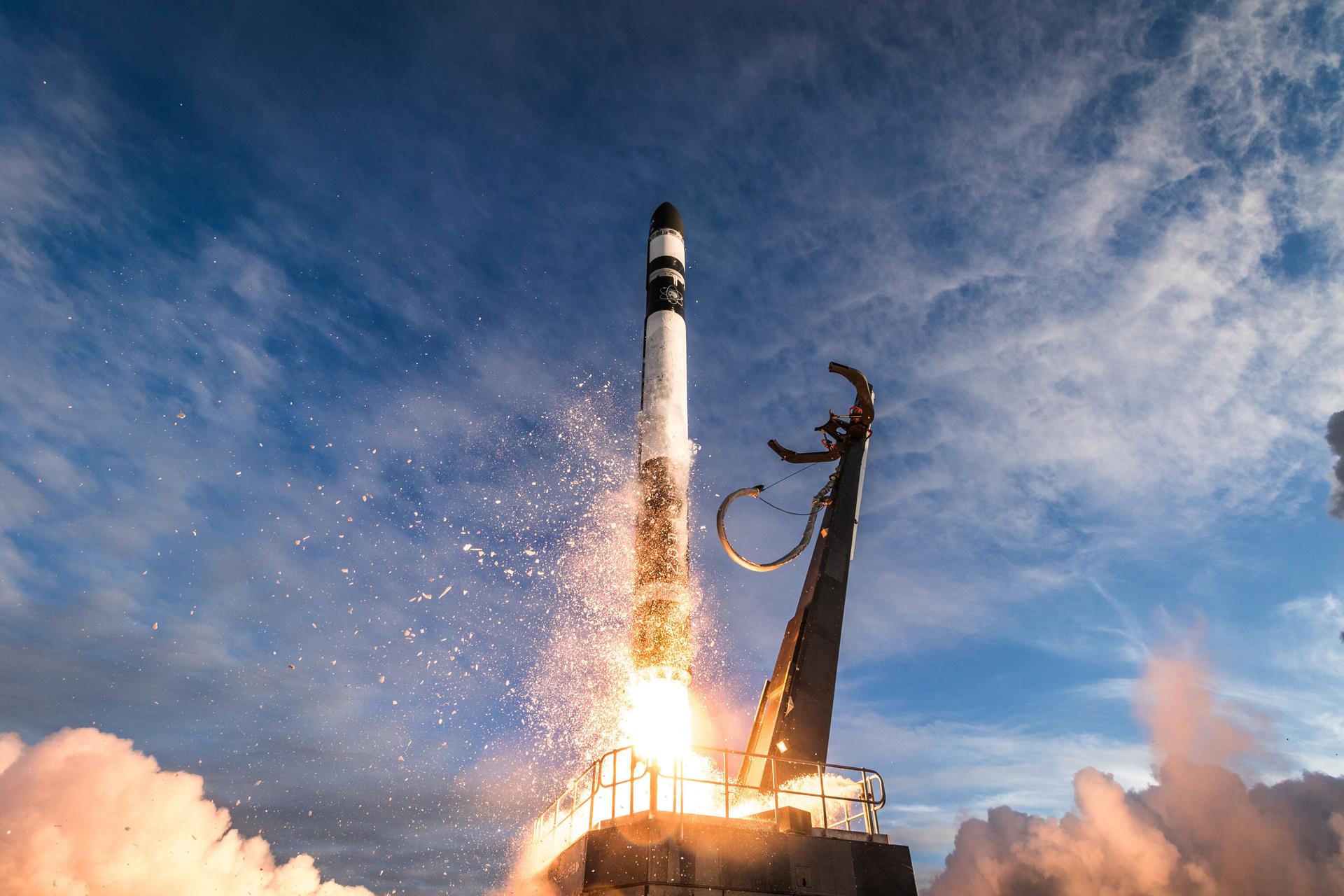
Electron | Insight At Speed Is A Friend Indeed (BlackSky Gen-3 4)
Rocket Lab | United States of AmericaRocket Lab Launch Complex 1, Mahia Peninsula, New Zealand
March 5, 2026, 11:53 p.m.
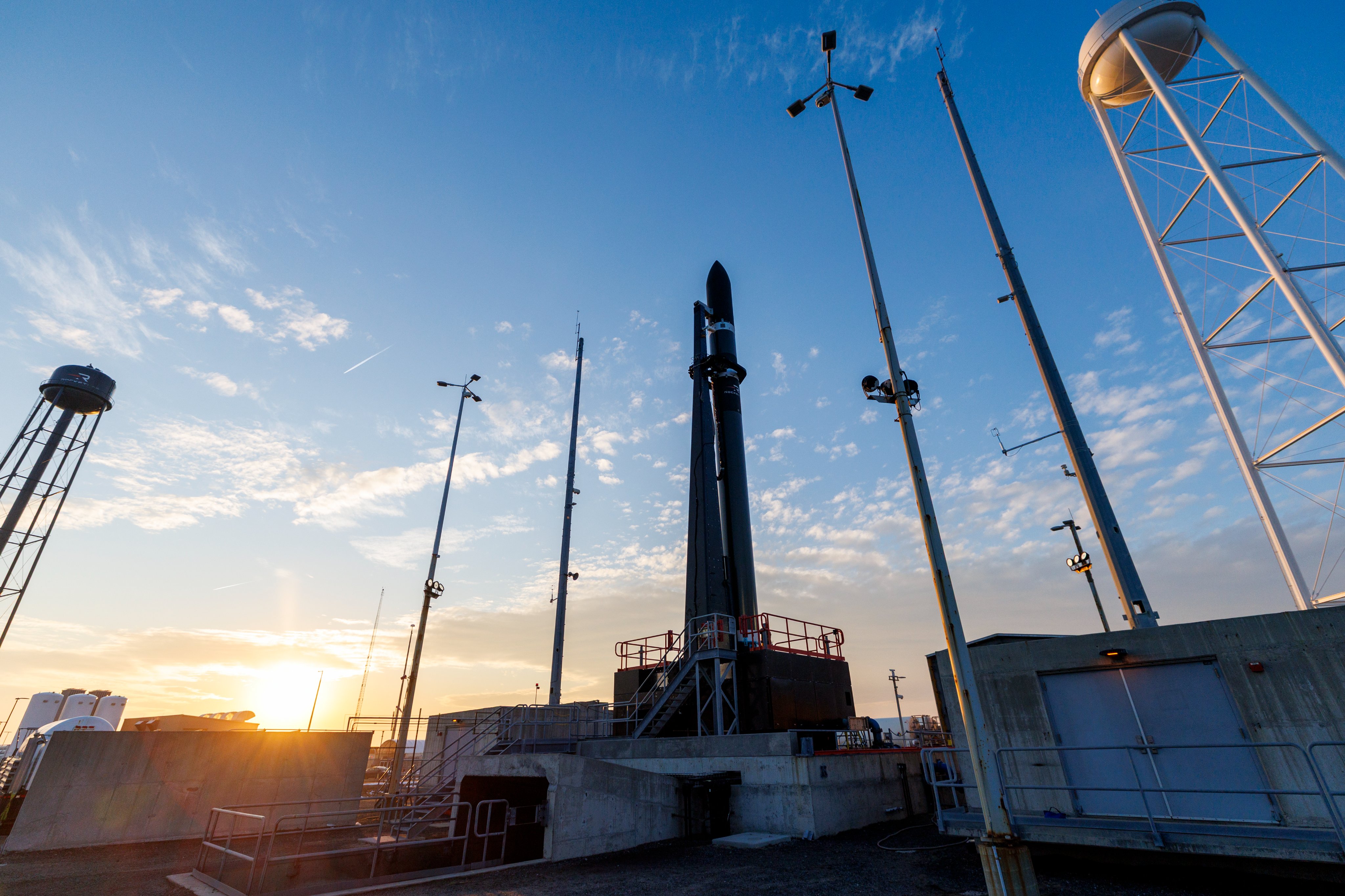
HASTE | That's Not A Knife (DART AE)
Rocket Lab | United States of AmericaWallops Flight Facility, Virginia, USA
Feb. 28, 2026, midnight
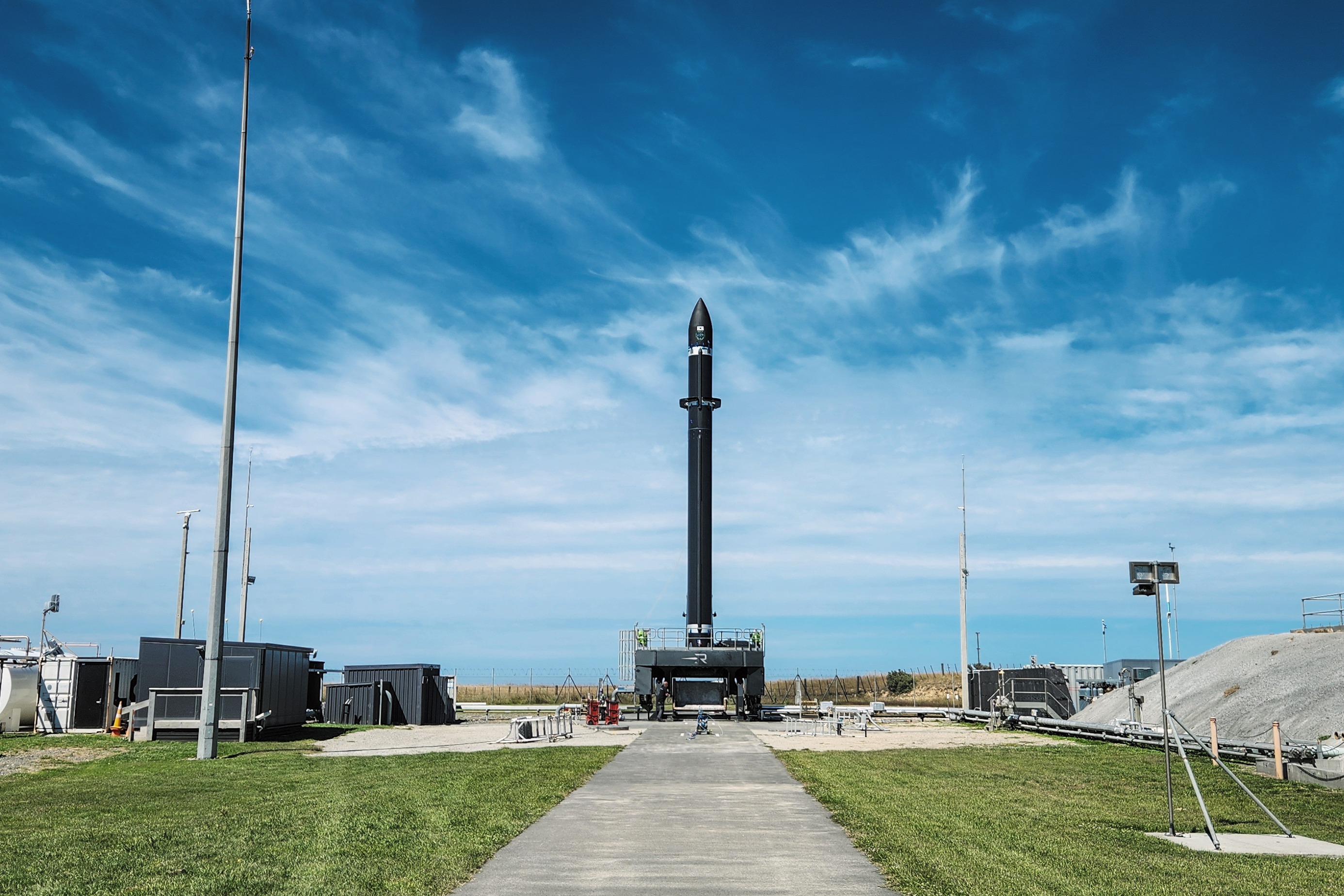
Electron | Bridging The Swarm (NeonSat-1A)
Rocket Lab | United States of AmericaRocket Lab Launch Complex 1, Mahia Peninsula, New Zealand
Jan. 30, 2026, 1:21 a.m.
Status: Launch Successful
Mission:
The NeonSat-1A, carrying a high-resolution optical camera, is designed to test the constellation capabilities of the South Korean government's Earth observation micro-satellite constellation NeonSat (New-space Earth Observation Satellite), in particular technology improvements identified from operations of NeonSat-1 after its launch in April 2024. These technologies will in turn be incorporated into the next 10 NeonSat under construction, as well as providing more site re-visiting capabilities along with NeonSat-1. The NeonSat constellation is the first satellite system developed by the government using a mass-production approach for precise monitoring of the Korean Peninsula, lead by the Satellite Technology Research Center (SaTReC) at the Korea Advanced Institute of Science and Technology (KAIST), Korea’s leading university dedicated to science and technology. Designed to capture near-real time natural disaster monitoring for the Korean peninsula, KAIST’s NEONSAT constellation is a collaboration across multiple Korean academic, industry, and research institutions, including SaTReC, which is leading the program’s system design and engineering. The NEONSAT program is funded by the Korean government’s Ministry of Science and ICT (MSIT).
Sun-Synchronous OrbitElectron | The Cosmos Will See You Now (Open Cosmos Constellation Launch 1)
Rocket Lab | United States of AmericaRocket Lab Launch Complex 1, Mahia Peninsula, New Zealand
Jan. 22, 2026, 10:52 a.m.
Status: Launch Successful
Mission:
First 2 satellites (named MR-1 and MR-2) of UK-based Open Cosmos' secure LEO broadband constellation designed to provide independent and resilient connectivity infrastructure for Europe and the world, using high-priority Ka-band spectrum filings by the Principality of Liechtenstein.
Polar OrbitElectron | The Wisdom God Guides (iQPS Launch 6)
Rocket Lab | United States of AmericaRocket Lab Launch Complex 1, Mahia Peninsula, New Zealand
Dec. 21, 2025, 6:36 a.m.
Electron | Don't Be Such A Square (STP-S30)
Rocket Lab | United States of AmericaWallops Flight Facility, Virginia, USA
Dec. 18, 2025, 5:03 a.m.
Status: Launch Successful
Mission:
STP-S30 is a complex mission that will deliver research experiments and technology demonstrations to orbit for the DoD and contribute to future space systems development. The projected primary payload, DISKSat, will demonstrate sustained very low earth orbit (VLEO) flight and test a unique, 1-meter diameter, disk-shaped satellite bus that is designed to increase on-orbit persistence.
Low Earth Orbit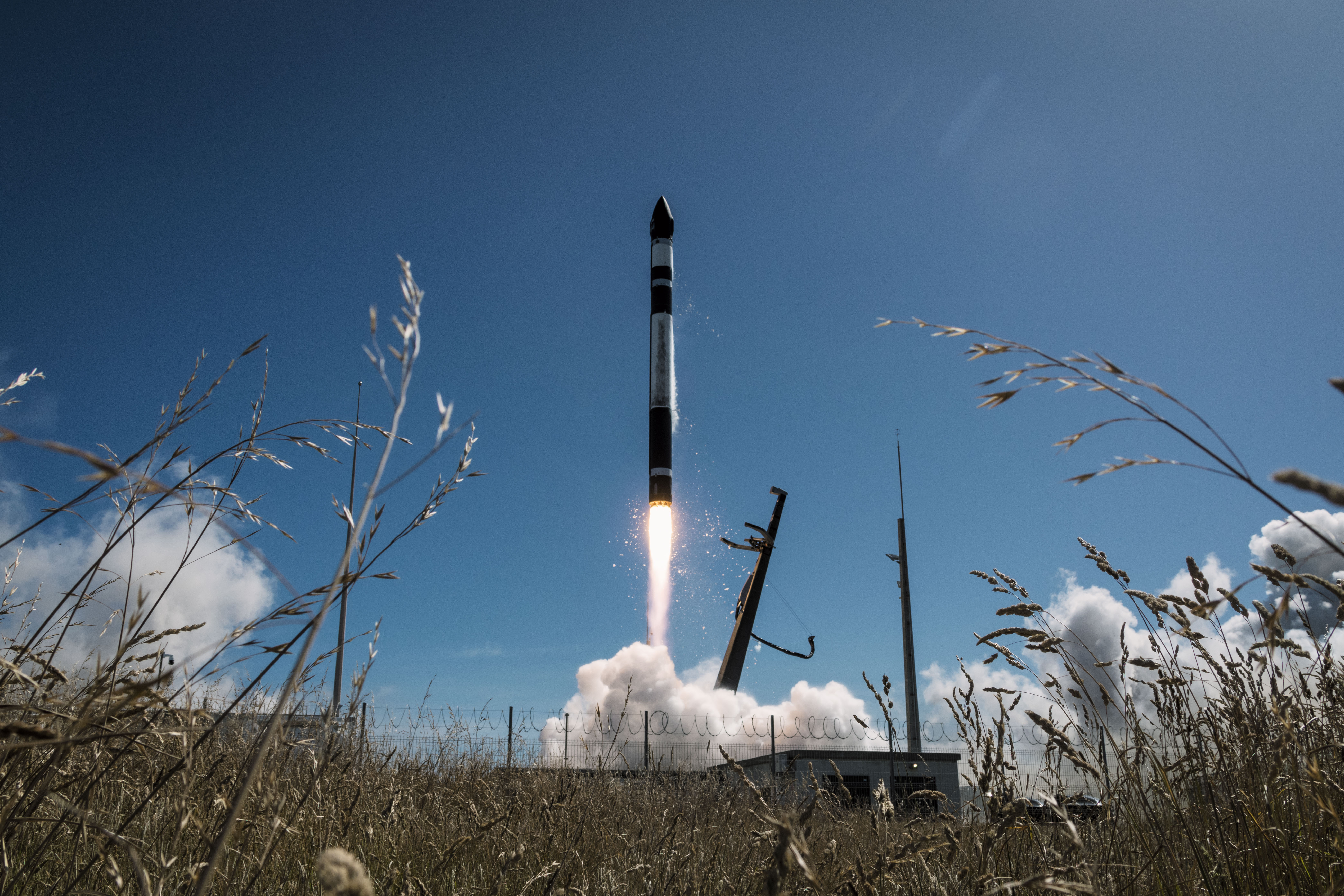
Electron | Raise and Shine (RAISE-4)
Rocket Lab | United States of AmericaRocket Lab Launch Complex 1, Mahia Peninsula, New Zealand
Dec. 14, 2025, 3:09 a.m.
Status: Launch Successful
Mission:
RAISE-4 (RApid Innovative payload demonstration Satellite-4) is a Japan Aerospace Exploration Agency (JAXA) satellite for on-orbit demonstrations of 15 demonstration components and equipment selected by public solicitation. The satellite will be operated in response to requests from the demonstration theme proposers, and will provide experimental data of the demonstration devices and environmental data during the experiments. 6 of the demonstration payload, as well as as well as 4 cubesats originally planned to ride on the same launch vehicle, are re-flight of those planned for RAISE-3, which failed to reach orbit in October 2022. The launch vehicle was switched from Epsilon-S to Rocket Lab's Electron due to continuous testing problems with the Epsilon-S' 2nd stage motor. The original 8 hitch-hiking cubesats will be launched on another Electron rocket later.
Sun-Synchronous Orbit
Electron | Follow My Speed (BlackSky Gen-3 3)
Rocket Lab | United States of AmericaRocket Lab Launch Complex 1, Mahia Peninsula, New Zealand
Nov. 20, 2025, 12:43 p.m.
HASTE | Prometheus Run (VAN)
Rocket Lab | United States of AmericaWallops Flight Facility, Virginia, USA
Nov. 18, 2025, 1 p.m.
Status: Launch Successful
Mission:
Sub-orbital launch under Rocket Lab’s Hypersonic Accelerator Suborbital Test Electron (HASTE) program. This mission was lead by MDA and deployed a government-provided primary payload developed by the John Hopkins University Applied Physics Laboratory (JHUAPL), and multiple secondary payloads by federal and industry partners, which tested key technologies for missile defense applications. The mission was contracted to Rocket Lab through the DIU’s Hypersonic and High-Cadence Airborne Testing Capabilities (HyCAT) program, an initiative supporting test and evaluation of new and emerging hypersonic technologies through low cost, responsive and long endurance flight testing.
SuborbitalElectron | The Nation God Navigates (iQPS Launch 5)
Rocket Lab | United States of AmericaRocket Lab Launch Complex 1, Mahia Peninsula, New Zealand
Nov. 5, 2025, 7:51 p.m.

