Upcoming Spaceflight Launches
Filter by Agency, Locations or Vehicles
Show All Launches
Vulcan VC4L | Dream Chaser CRS 2 Flight 2
United Launch Alliance | United States of AmericaCape Canaveral SFS, FL, USA
TBD December, 2027
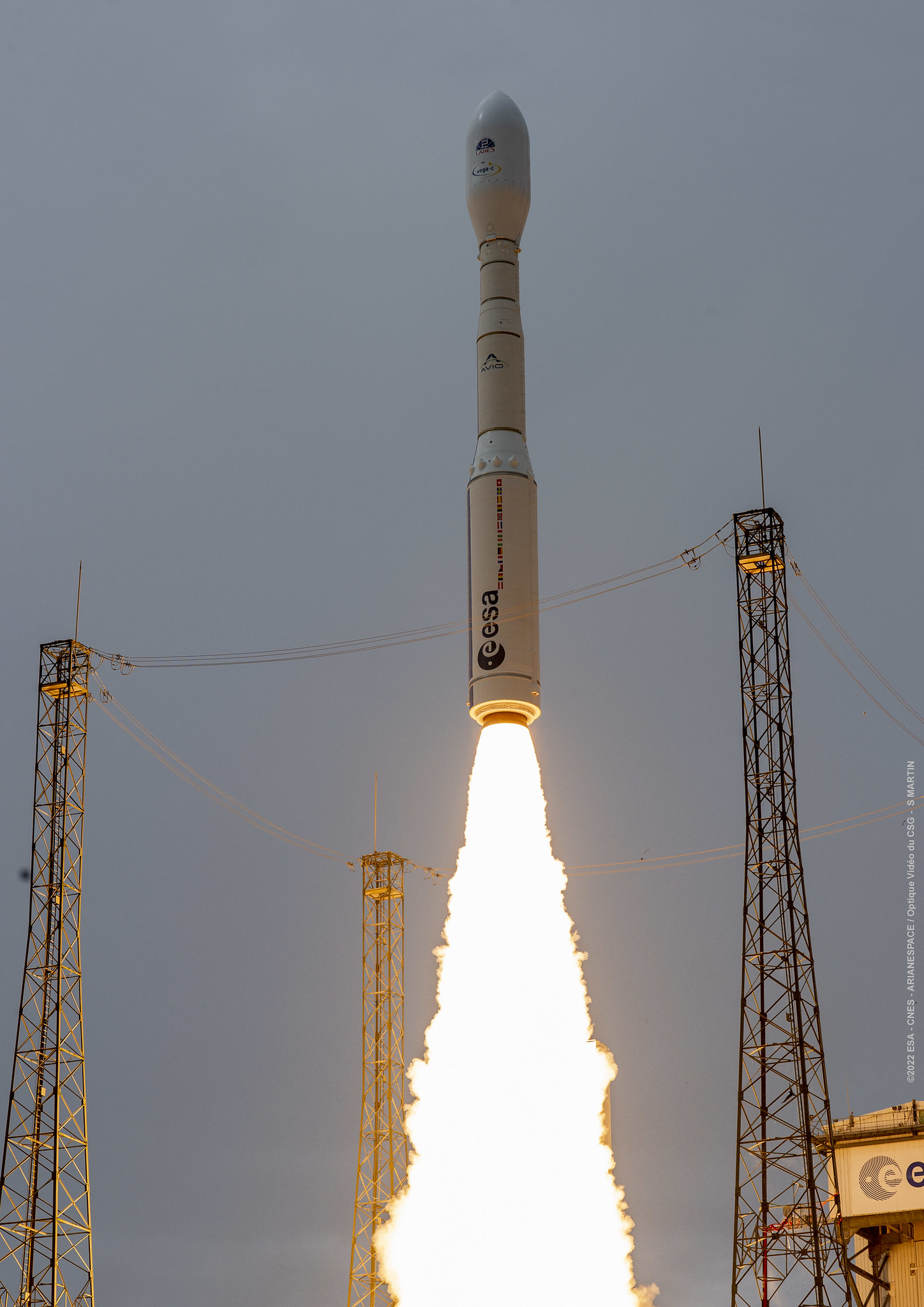
Vega-C | Amazonia-1B
Avio S.p.A | ItalyGuiana Space Centre, French Guiana
TBD December, 2027
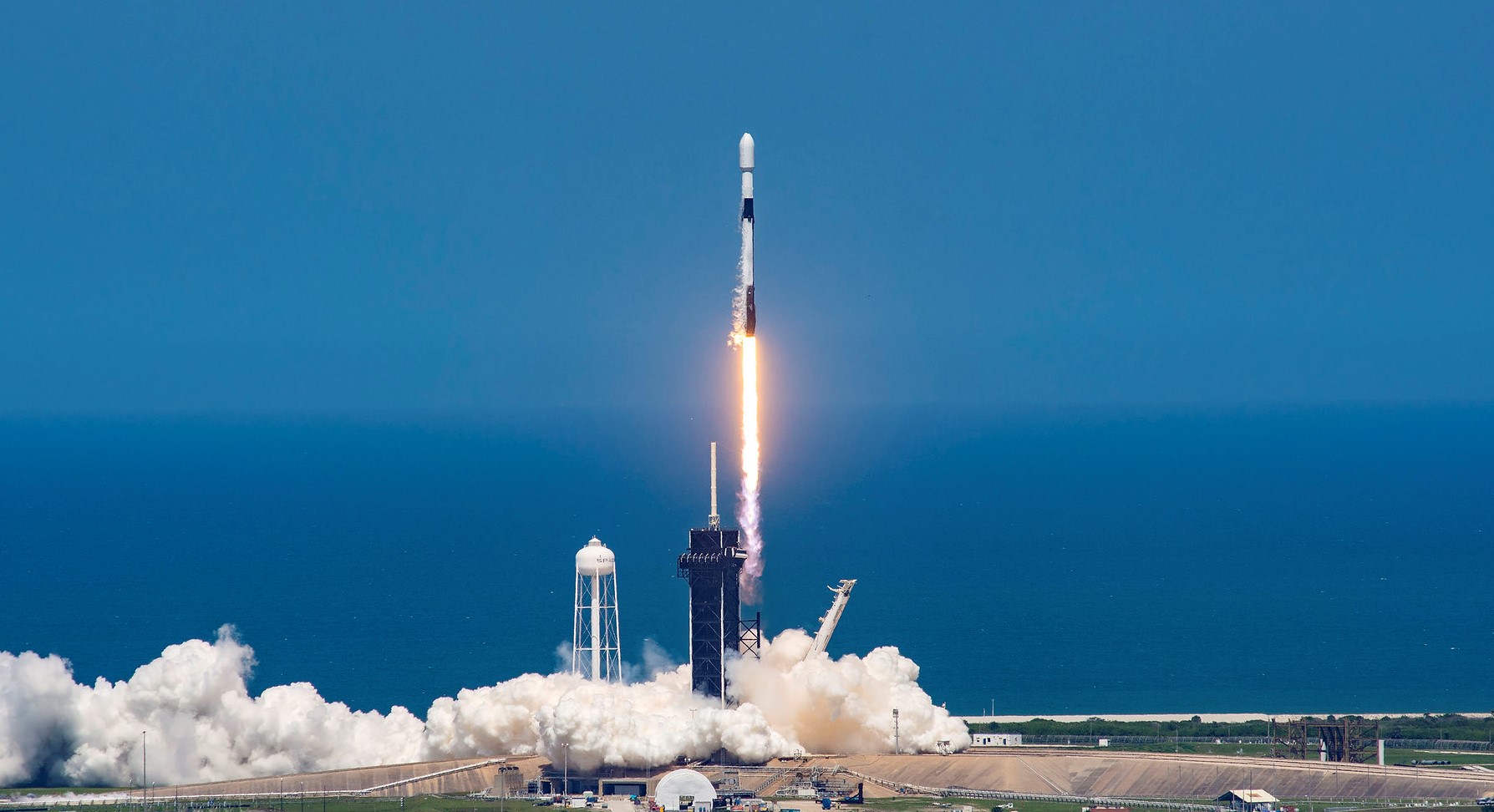
Falcon 9 Block 5 | Thaicom 10
SpaceX | United States of AmericaCape Canaveral SFS, FL, USA
TBD December, 2027
Status: To Be Determined
Mission:
Thaicom 10, built by Airbus Defence and Space, will provide over 120 gigabits per second (Gbps) of capacity, with flexibility and instant configuration to adapt dynamically to the customers’ needs. The satellite will provide extended connectivity over the region for Thaicom’s customers and partners across the Asia Pacific.
Geostationary Transfer Orbit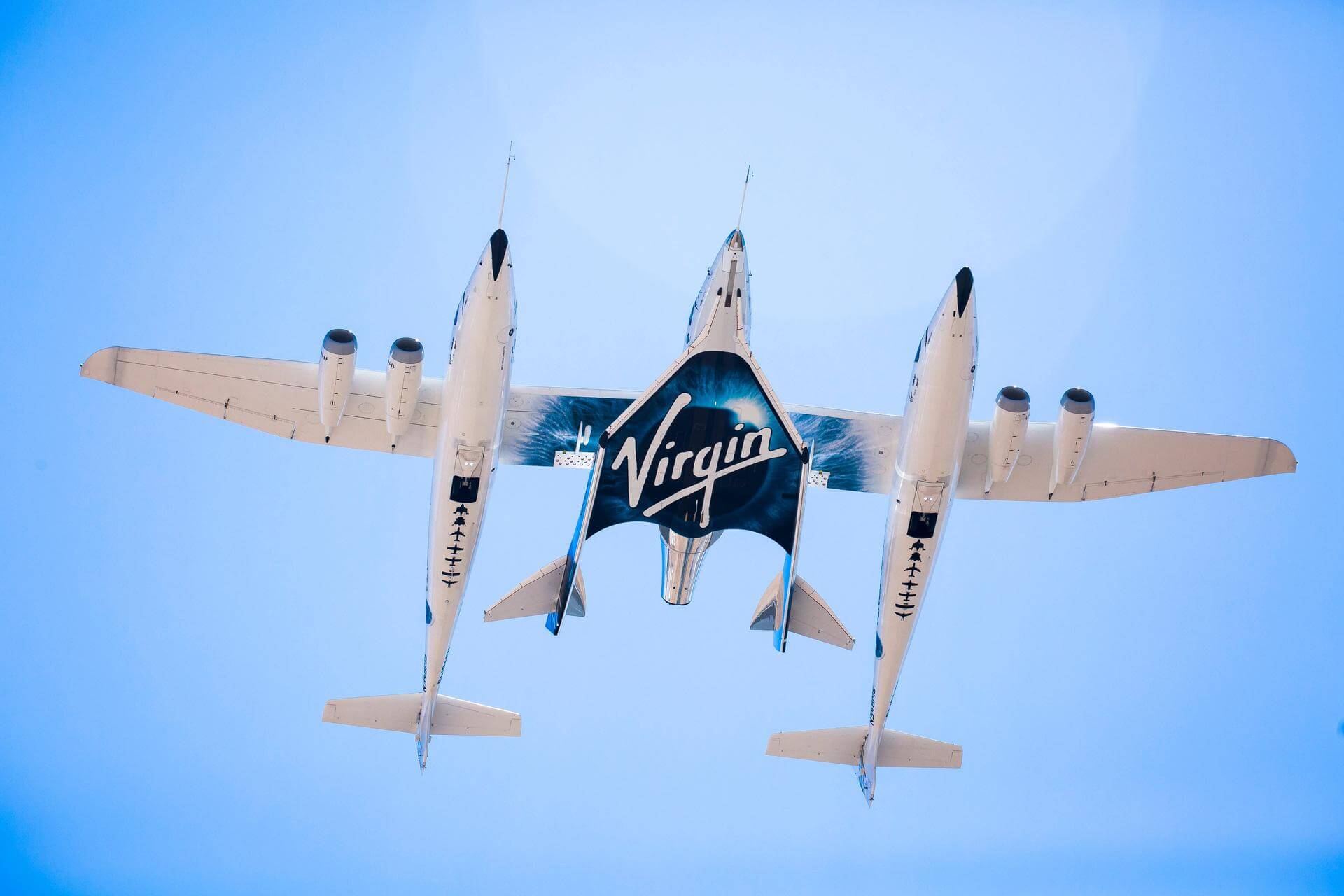
SpaceShipTwo | Purdue 1
Virgin Galactic | United States of AmericaAir launch to Suborbital flight
TBD December, 2027
Falcon 9 Block 5 | JPSS 4 (Joint Polar Satellite System spacecraft No. 4)
SpaceX | United States of AmericaVandenberg SFB, CA, USA
TBD December, 2027
Status: To Be Determined
Mission:
The JPSS constellation of satellites collects global multi-spectral radiometry and other specialized meteorologic, oceanographic, and solar-geophysical data via remote sensing of land, sea, and atmospheric properties. These data support NOAA’s mission for continuous observation of Earth’s environment to understand and predict changes in weather, climate, oceans, and coasts to support the nation’s economy and protect lives and property. NASA uses the instruments aboard the JPSS satellites to continue decades of Earth science research for the betterment of humanity. JPSS-4 carries the NASA Earth Venture mission Libera, an instrument to improve our understanding of trends in Earth’s energy imbalance and our changing climate.
Sun-Synchronous Orbit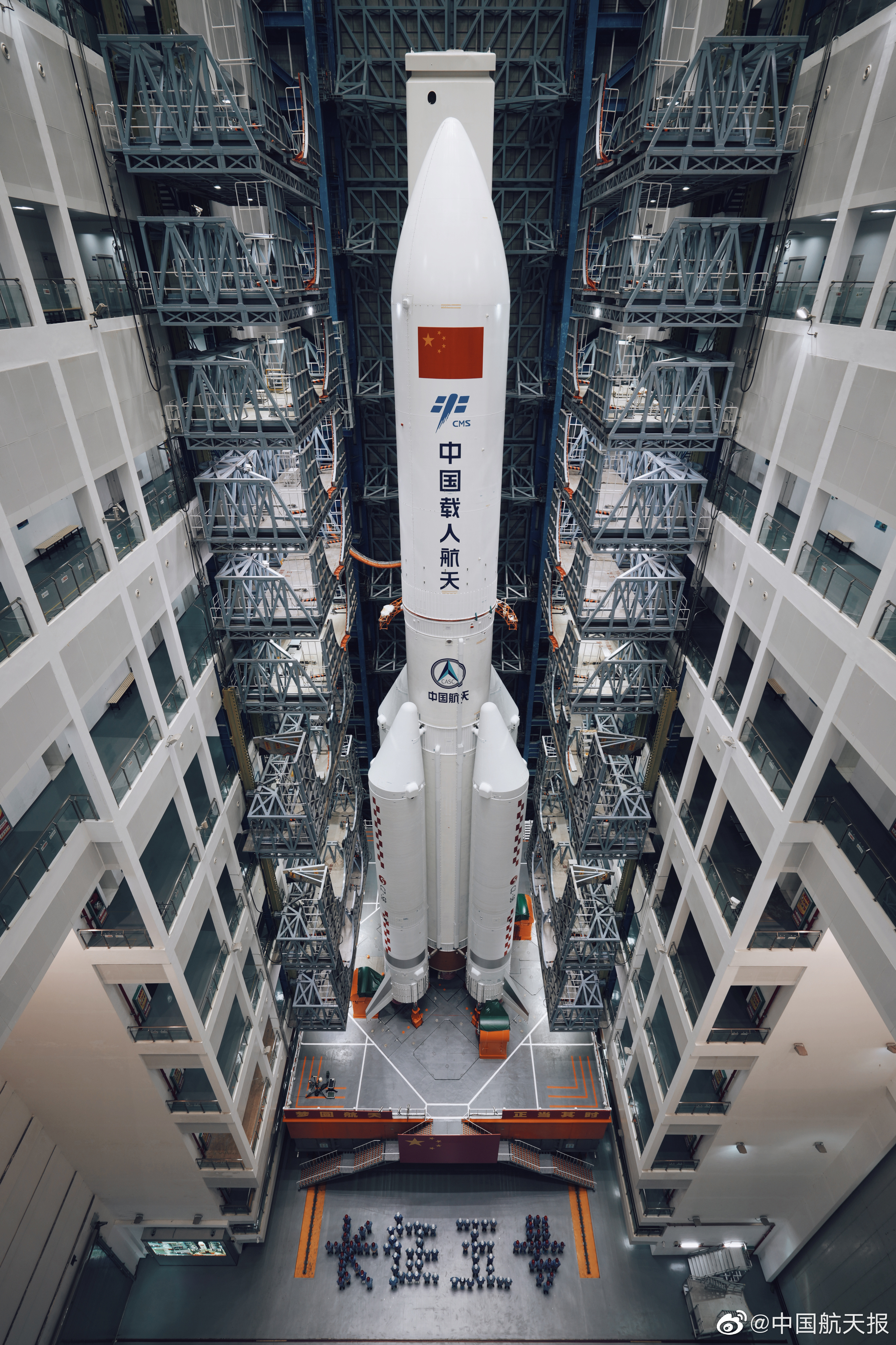
Long March 5B | Xuntian Telescope
China Aerospace Science and Technology Corporation | ChinaWenchang Space Launch Site, People's Republic of China
TBD December, 2027
Status: To Be Determined
Mission:
Xuntian, formerly known as the Chinese Space Station Telescope (CSST), is a Chinese space telescope designed to perform high-resolution, large-area, multi-band imaging and slit-less spectroscopy surveys of the sky at ultraviolet to infrared wavelengths of 255 – 1000 nm. The survey camera is slated to cover approximately 17500 square degrees of the sky in various bands, reaching maximum magnitudes of about 26. Xuntian will carry a survey camera, a tera-hertz receiver, a multi-channel imager, an integral field spectrograph, and a cool planet imaging coronagraph. Xuntian will be launched to a Low Earth Orbit that will be co-orbiting with the Tiangong space station/Chinese Space Station, which will allow for periodic docking with the station for regular maintenance by astronauts.
Low Earth Orbit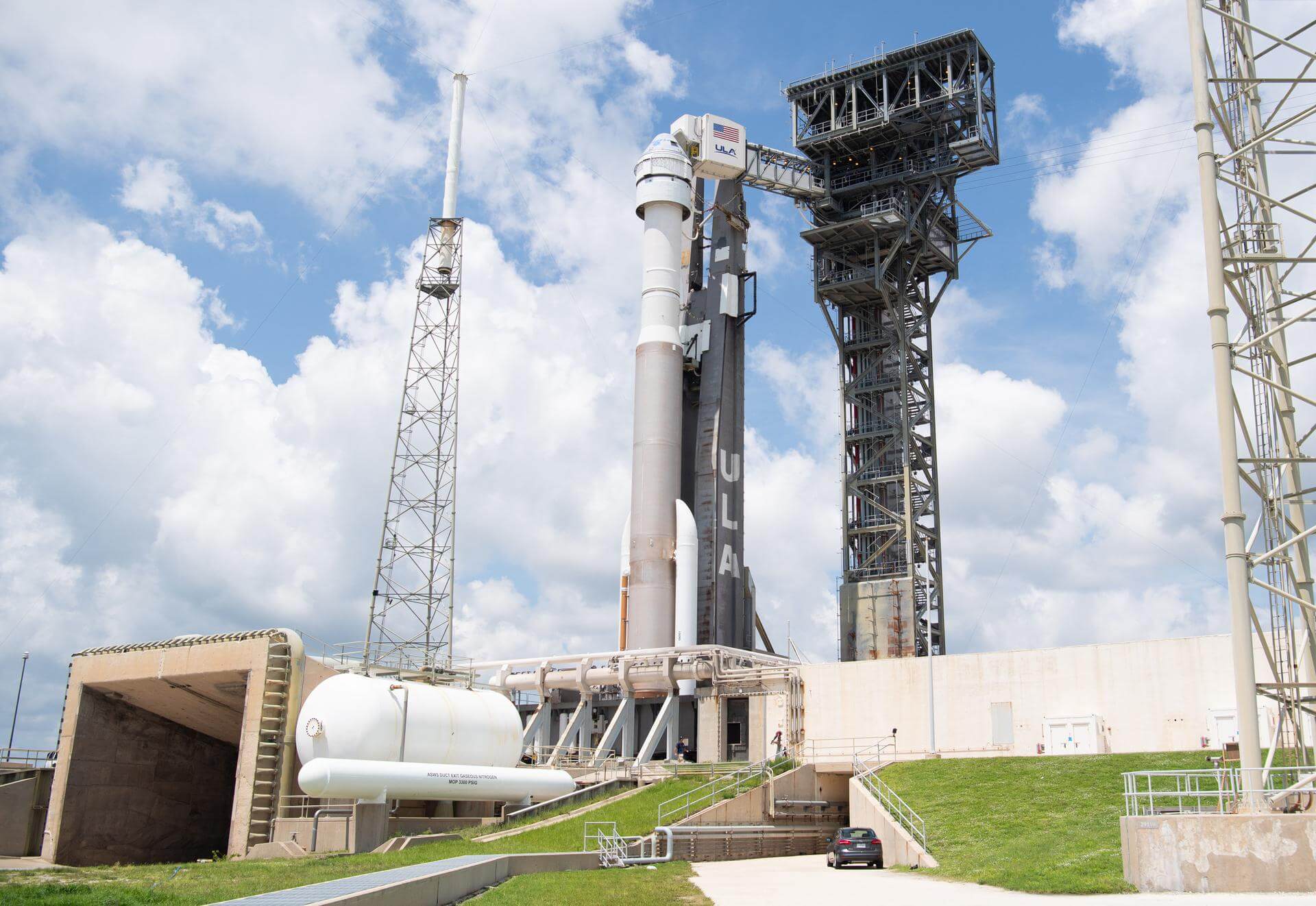
Atlas V N22 | Starliner-3
United Launch Alliance | United States of AmericaCape Canaveral SFS, FL, USA
TBD December, 2027
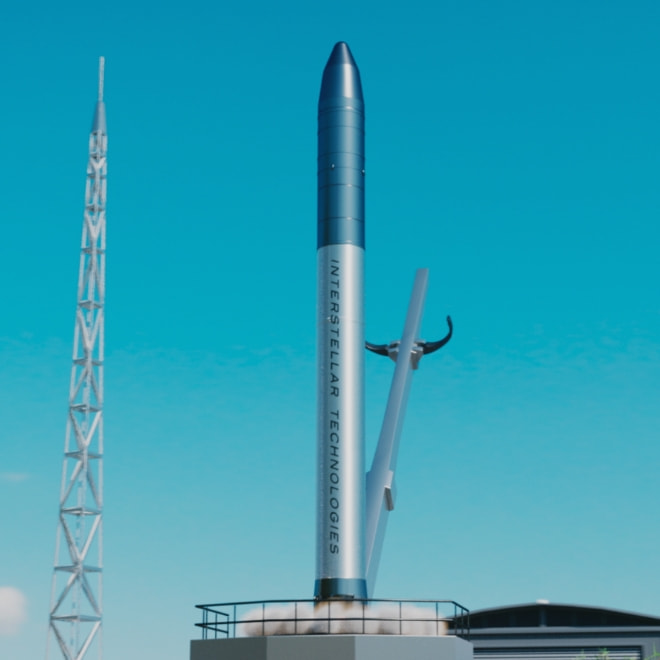
ZERO | Maiden Flight
Interstellar Technologies | JapanHokkaido Spaceport, Japan
TBD December, 2027
Falcon 9 Block 5 | Skynet 6A
SpaceX | United States of AmericaCape Canaveral SFS, FL, USA
TBD December, 2027
Status: To Be Determined
Mission:
The Skynet 6A gap-filler military communications satellite built by Airbus Defence and Space to cover the gap between the Britisch Skynet-5 network and its successor. Skynet 6A was solesourced from Airbus Defence and Space in 2017, but was not fully funded until July 2020. Aibus will build the Skynet-6A satellite in the United Kingdom and arrange a 2025 launch. RAL Space, a U.K. national laboratory, will test the all-electric satellite at its facility in Harwell. Skynet-6A, based on the Eurostar-Neo platform, is expected to provide communications services for the British military until at least 2040.
Geostationary Transfer OrbitVega-C | EAGLE-1
Avio S.p.A | ItalyGuiana Space Centre, French Guiana
TBD December, 2027
Falcon 9
Starlink Group 17-27
Space Launch Complex 4E - Vandenberg SFB, CA, USAA batch of 25 satellites for the Starlink mega-constellation - SpaceX's project for space-based Internet communication system.
Falcon 9
Starlink Group 10-24
Space Launch Complex 40 - Cape Canaveral SFS, FL, USAA batch of 29 satellites for the Starlink mega-constellation - SpaceX's project for space-based Internet communication system.
Kinetica 1
8 x Jilin-1
Launch Area 130 - Jiuquan Satellite Launch Center, People's Republic of China8 Earth observation satellites for the Jilin-1 commercial Earth observation satellites constellation: * High Resolution-07A 02-04 * High Resoluti…
Falcon 9
Cygnus CRS-2 NG-24 (S.S. Steven R. Nagel)
Space Launch Complex 40 - Cape Canaveral SFS, FL, USAThis is the 24th flight of the Orbital ATK's uncrewed resupply spacecraft Cygnus and its 23rd flight to the International Space Station under the Com…
Smart Dragon 3
SatNet test satellite
South China Sea (launch location 3) - Haiyang Oriental SpaceportOfficially described as "Satellite-Internet Technology Demonstration Satellite". Probable 1 (?) test satellite for the Chinese state-owned LEO commun…
Falcon 9
Starlink Group 17-21
Space Launch Complex 4E - Vandenberg SFB, CA, USAA batch of 25 satellites for the Starlink mega-constellation - SpaceX's project for space-based Internet communication system.
Long March 6A
SatNet LEO Group 21
Launch Complex 9A - Taiyuan Satellite Launch Center, People's Republic of ChinaA batch of 5 Low Earth Orbit communication satellites for the Chinese state owned SatNet constellation operated by the China Satellite Network Group.…
Long March 8
SpaceSail Polar Group 07
Commercial LC-1 - Wenchang Space Launch Site, People's Republic of China18 Low Earth Orbit communication satellites with Ku, Q and V band payloads for the G60 constellation operated by Shanghai Spacesail Technologies with…
Minotaur IV
STP-S29A
Space Launch Complex 8 - Vandenberg SFB, CA, USASTP-S29A is a mission under the U.S. Department of Defense's Space Test Program (STP) that will deliver technology demonstrations to orbit and contri…
Falcon 9
Starlink Group 17-35
Space Launch Complex 4E - Vandenberg SFB, CA, USAA batch of 25 satellites for the Starlink mega-constellation - SpaceX's project for space-based Internet communication system.

