Upcoming Spaceflight Launches
Filter by Agency, Locations or Vehicles
Show All Launches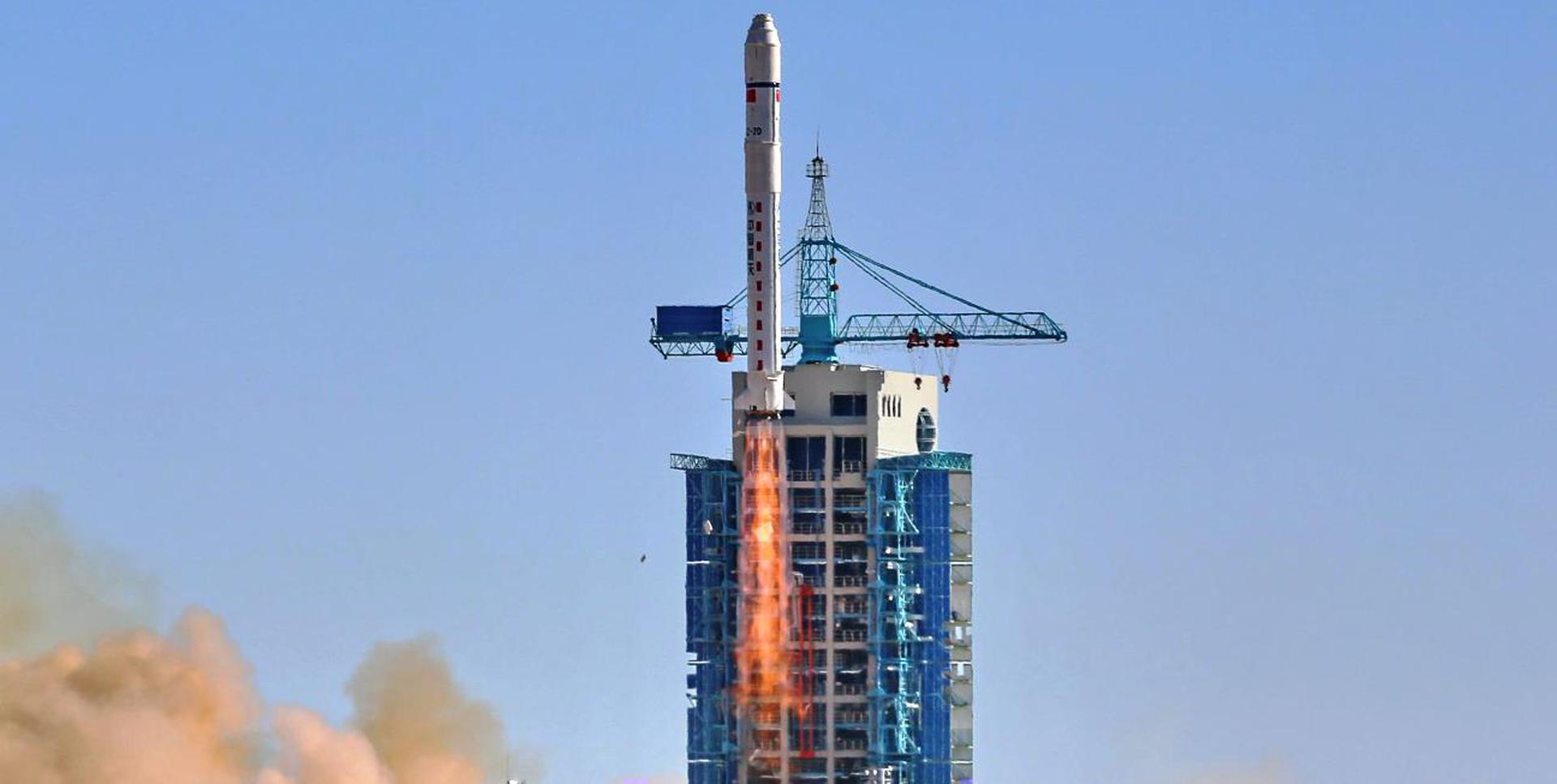
Long March 2D | Unknown Payload
China Aerospace Science and Technology Corporation | ChinaJiuquan Satellite Launch Center, People's Republic of China
April 17, 2026, 4:10 a.m.

Falcon 9 Block 5 | Starlink Group 17-22
SpaceX | United States of AmericaVandenberg SFB, CA, USA
April 18, 2026, 2 p.m.
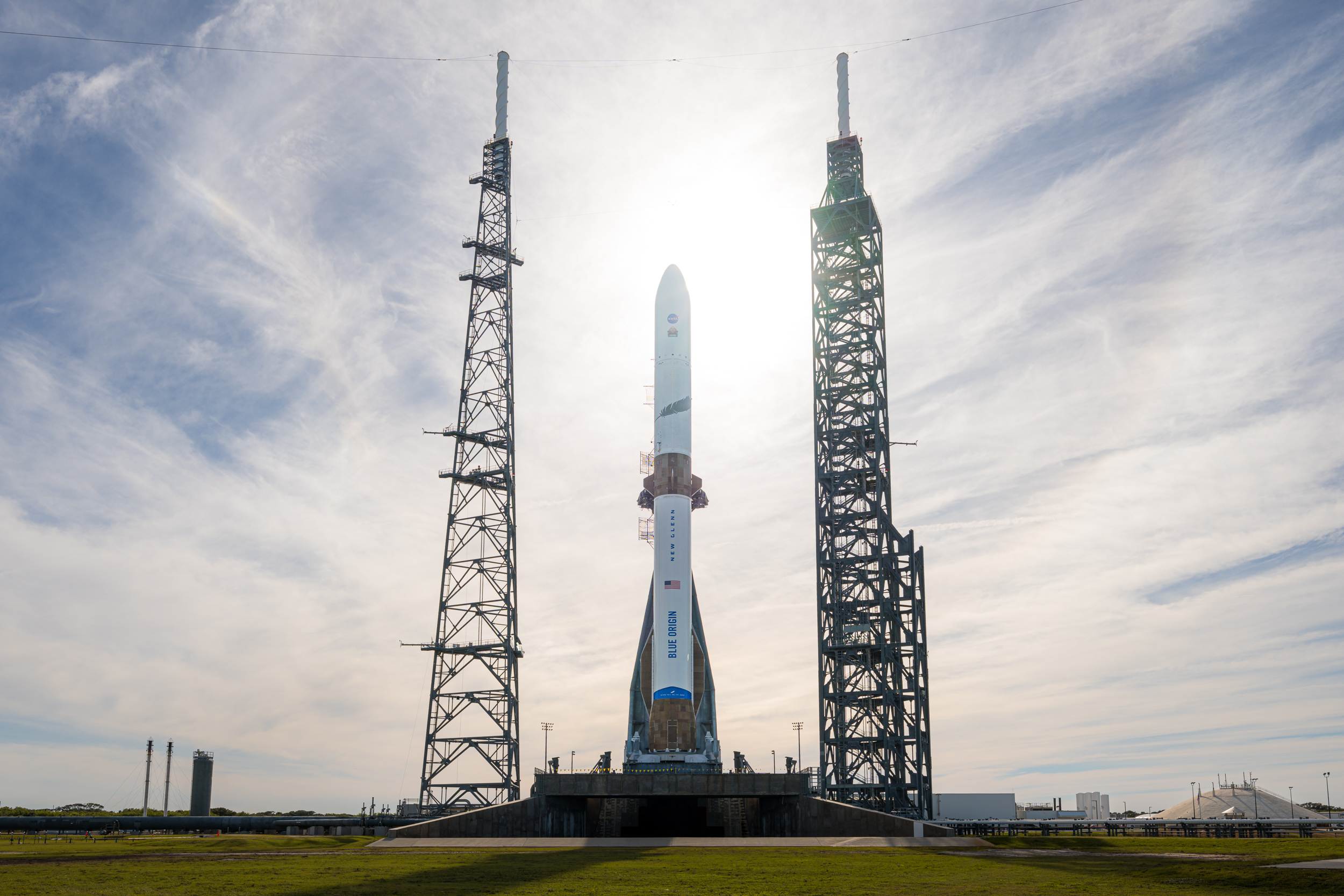
New Glenn | BlueBird Block 2 #2
Blue Origin | United States of AmericaCape Canaveral SFS, FL, USA
April 19, 2026, 10:45 a.m.
Status: Go for Launch
Mission:
AST SpaceMobile’s Block 2 BlueBird satellites are designed to deliver up to 10 times the bandwidth capacity of the BlueBird Block 1 satellites, required to achieve 24/7 continuous cellular broadband service coverage in the United States, with beams designed to support a capacity of up to 40 MHz, enabling peak data transmission speeds up to 120 Mbps, supporting voice, full data and video applications. The Block 2 BlueBirds, featuring as large as 2400 square foot communications arrays, will be the largest satellites ever commercially deployed in Low Earth orbit once launched. This launch will feature 1 satellite, BlueBird 7/BlueBird Block 2 FM2.
Low Earth Orbit GS1-SN002 - Flight Proven ( ) Jacklyn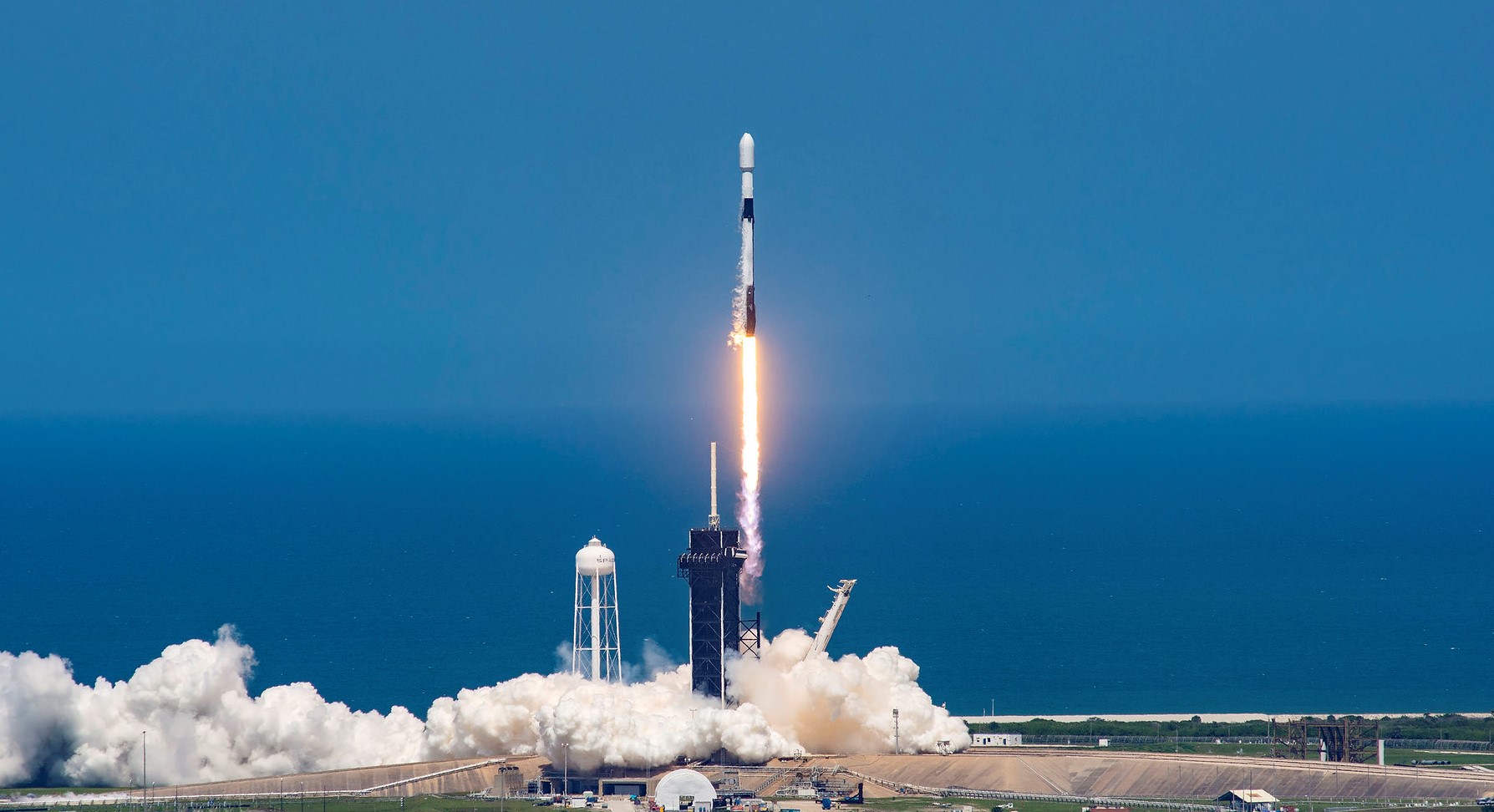
Falcon 9 Block 5 | GPS III SV10
SpaceX | United States of AmericaCape Canaveral SFS, FL, USA
April 20, 2026, 6:57 a.m.
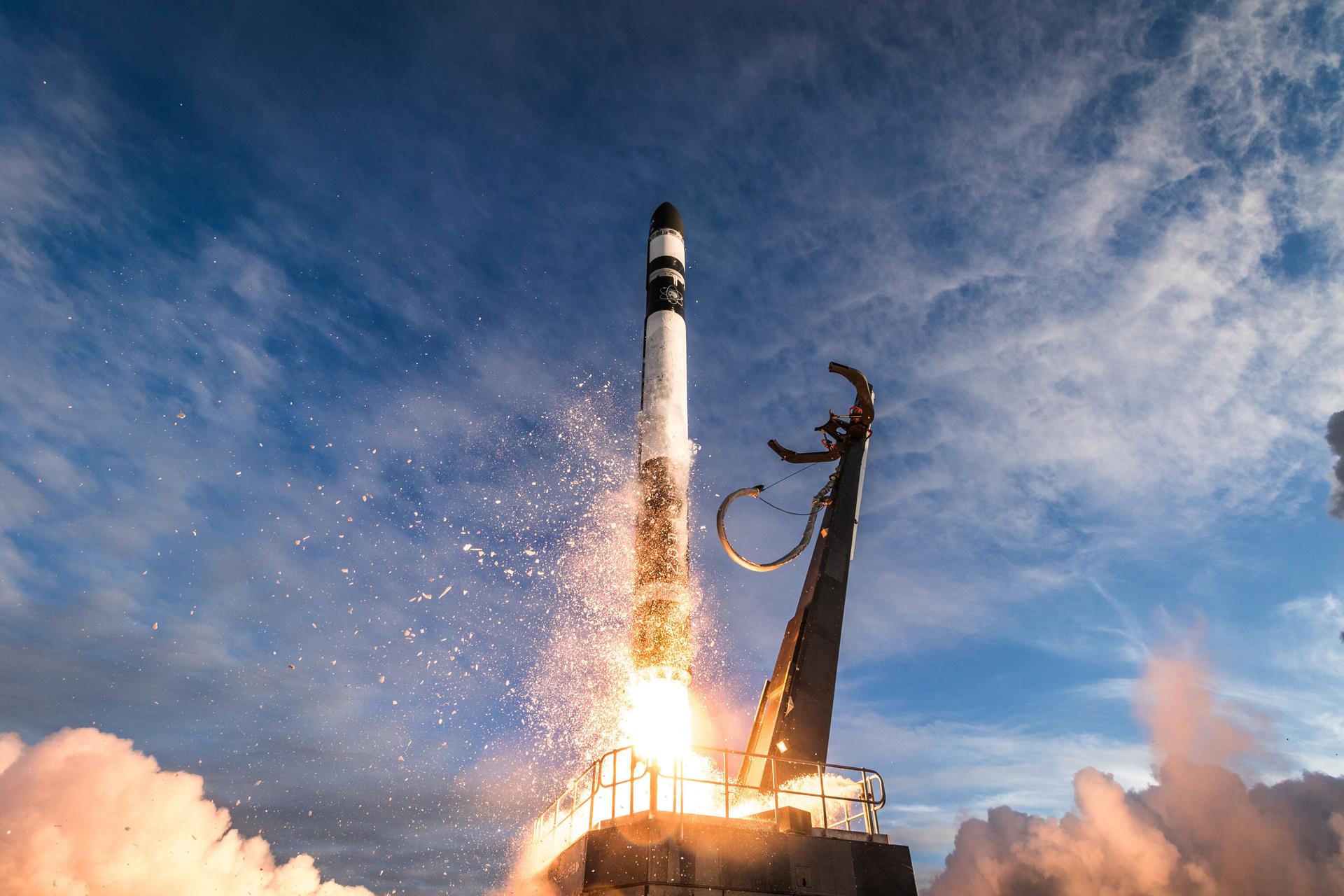
HASTE | Bubbles
Rocket Lab | United States of AmericaWallops Flight Facility, Virginia, USA
April 22, 2026, midnight
Falcon 9 Block 5 | Starlink Group 17-14
SpaceX | United States of AmericaVandenberg SFB, CA, USA
April 22, 2026, 2 a.m.
Electron | Kakushin Rising (JAXA Rideshare)
Rocket Lab | United States of AmericaRocket Lab Launch Complex 1, Mahia Peninsula, New Zealand
April 23, 2026, 3:09 a.m.
Status: Go for Launch
Mission:
JAXA-manifested rideshare of eight separate spacecraft that includes educational small sats, an ocean monitoring satellite, a demonstration satellite for ultra-small multispectral cameras, and a deployable antenna that can be packed tightly using origami folding techniques and unfurled to 25 times its size. The satellites were originally planned to launch with RAISE-4 on a Japanese Epsilon-S rocket, but the Epsilon-S was heavily delayed due to test firing failures. The 8 satellites are: * MAGNARO-II * KOSEN-2R * WASEDA-SAT-ZERO-II * FSI-SAT2 * OrigamiSat-2 * Mono-Nikko * ARICA-2 * PRELUDE
Sun-Synchronous Orbit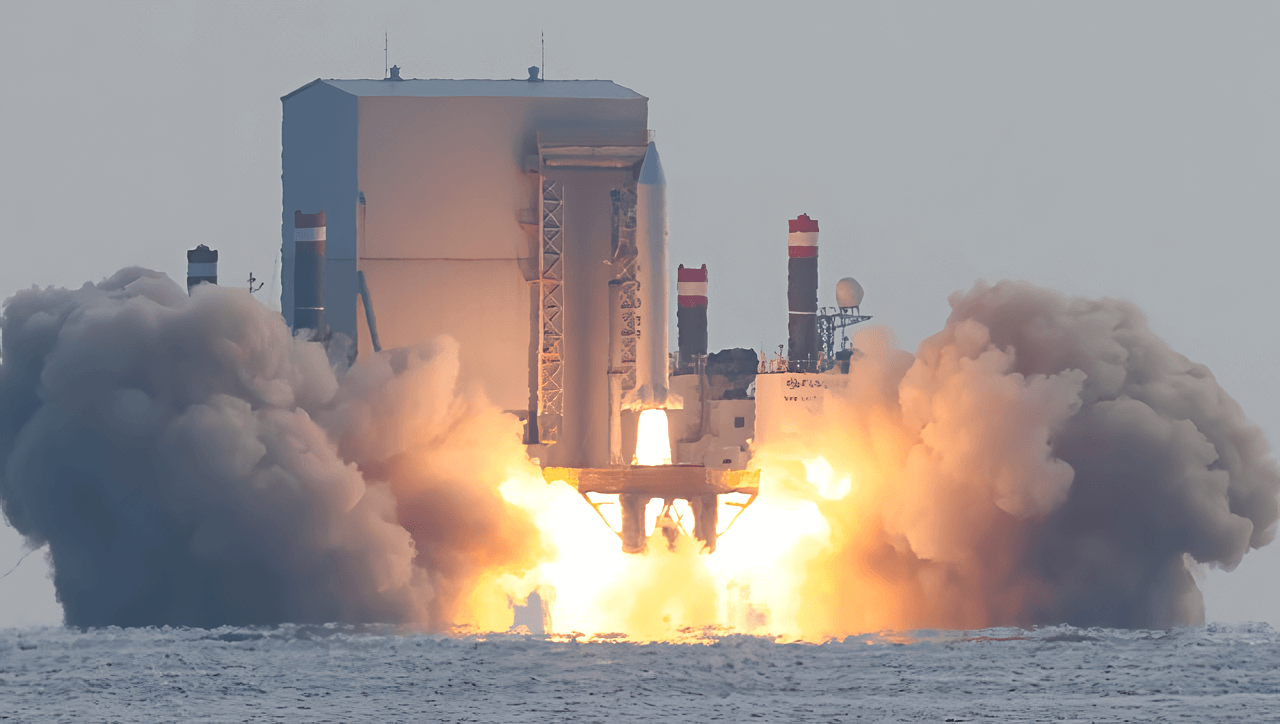
South Korean ADD Solid-Fuel SLV | Demo Flight
Agency for Defense Development | South KoreaSea Launch
April 25, 2026, 5 a.m.
Status: Go for Launch
Mission:
Note: Launch vehicle name is provisional. First orbital full version launch of the South Korean military small satellite launch vehicle, after 2 sub-orbital tests of individual stages on 30 March and 30 December 2022, and 1 orbital test flight without the 2nd stage on 4 December 2023. Details TBD.
Low Earth OrbitFalcon 9 Block 5 | Starlink Group 17-16
SpaceX | United States of AmericaVandenberg SFB, CA, USA
April 25, 2026, 2 p.m.
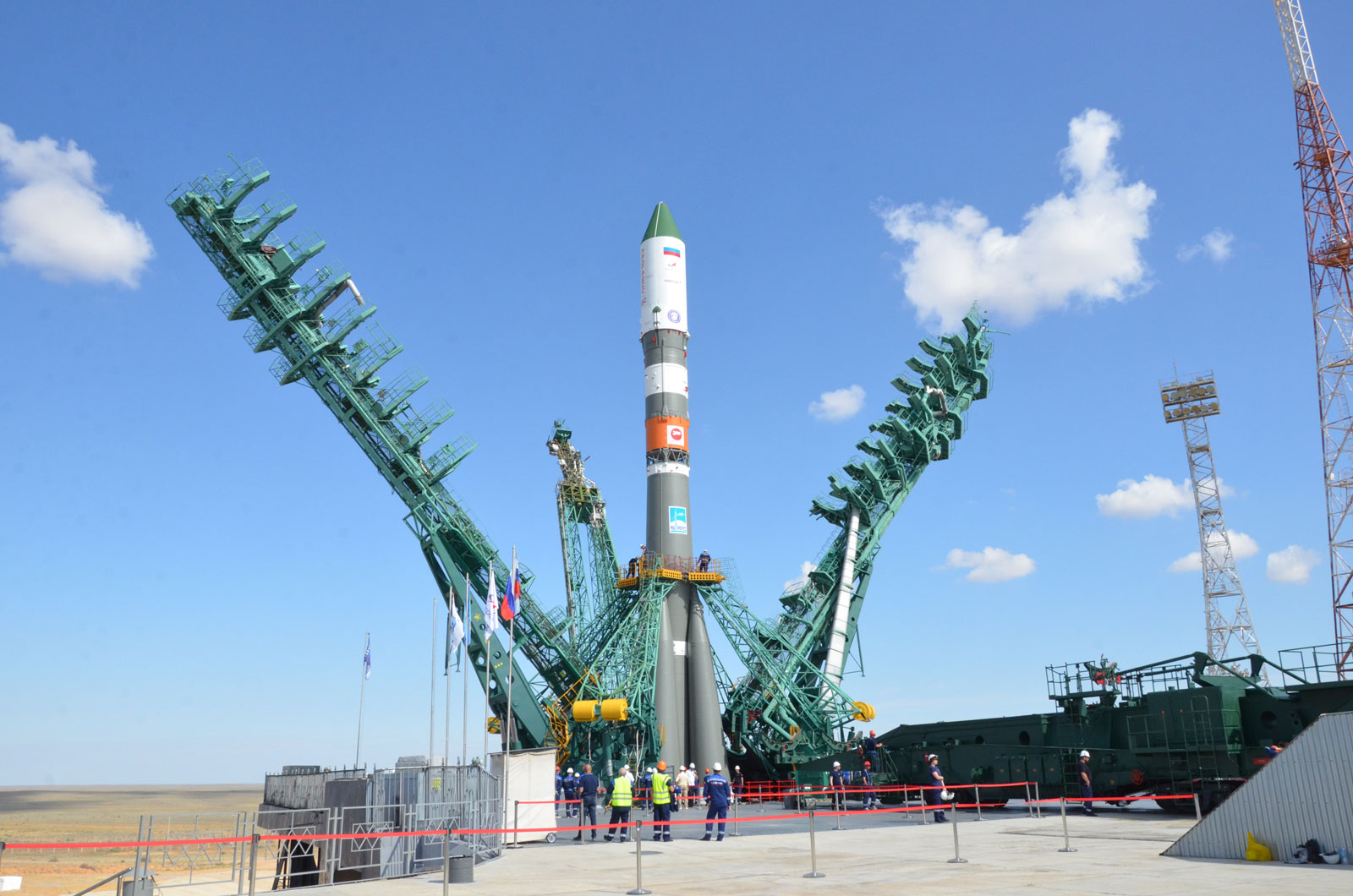
Soyuz 2.1a | Progress MS-34 (95P)
Progress Rocket Space Center | RussiaBaikonur Cosmodrome, Republic of Kazakhstan
April 25, 2026
Soyuz 2.1b/Volga
Kosmos (Unknown Payload)
Unknown Pad - Plesetsk Cosmodrome, Russian FederationUnknown satellite(s) for the Russian military.
Falcon 9
Starlink Group 17-27
Space Launch Complex 4E - Vandenberg SFB, CA, USAA batch of 25 satellites for the Starlink mega-constellation - SpaceX's project for space-based Internet communication system.
Falcon 9
Starlink Group 10-24
Space Launch Complex 40 - Cape Canaveral SFS, FL, USAA batch of 29 satellites for the Starlink mega-constellation - SpaceX's project for space-based Internet communication system.
Kinetica 1
8 x Jilin-1
Launch Area 130 - Jiuquan Satellite Launch Center, People's Republic of China8 Earth observation satellites for the Jilin-1 commercial Earth observation satellites constellation: * High Resolution-07A 02-04 * High Resoluti…
Falcon 9
Cygnus CRS-2 NG-24 (S.S. Steven R. Nagel)
Space Launch Complex 40 - Cape Canaveral SFS, FL, USAThis is the 24th flight of the Orbital ATK's uncrewed resupply spacecraft Cygnus and its 23rd flight to the International Space Station under the Com…
Smart Dragon 3
SatNet test satellite
South China Sea (launch location 3) - Haiyang Oriental SpaceportOfficially described as "Satellite-Internet Technology Demonstration Satellite". Probable 1 (?) test satellite for the Chinese state-owned LEO commun…
Falcon 9
Starlink Group 17-21
Space Launch Complex 4E - Vandenberg SFB, CA, USAA batch of 25 satellites for the Starlink mega-constellation - SpaceX's project for space-based Internet communication system.
Long March 6A
SatNet LEO Group 21
Launch Complex 9A - Taiyuan Satellite Launch Center, People's Republic of ChinaA batch of 5 Low Earth Orbit communication satellites for the Chinese state owned SatNet constellation operated by the China Satellite Network Group.…
Long March 8
SpaceSail Polar Group 07
Commercial LC-1 - Wenchang Space Launch Site, People's Republic of China18 Low Earth Orbit communication satellites with Ku, Q and V band payloads for the G60 constellation operated by Shanghai Spacesail Technologies with…
Minotaur IV
STP-S29A
Space Launch Complex 8 - Vandenberg SFB, CA, USASTP-S29A is a mission under the U.S. Department of Defense's Space Test Program (STP) that will deliver technology demonstrations to orbit and contri…

