Upcoming Spaceflight Launches
Filter by Agency, Locations or Vehicles
Show All Launches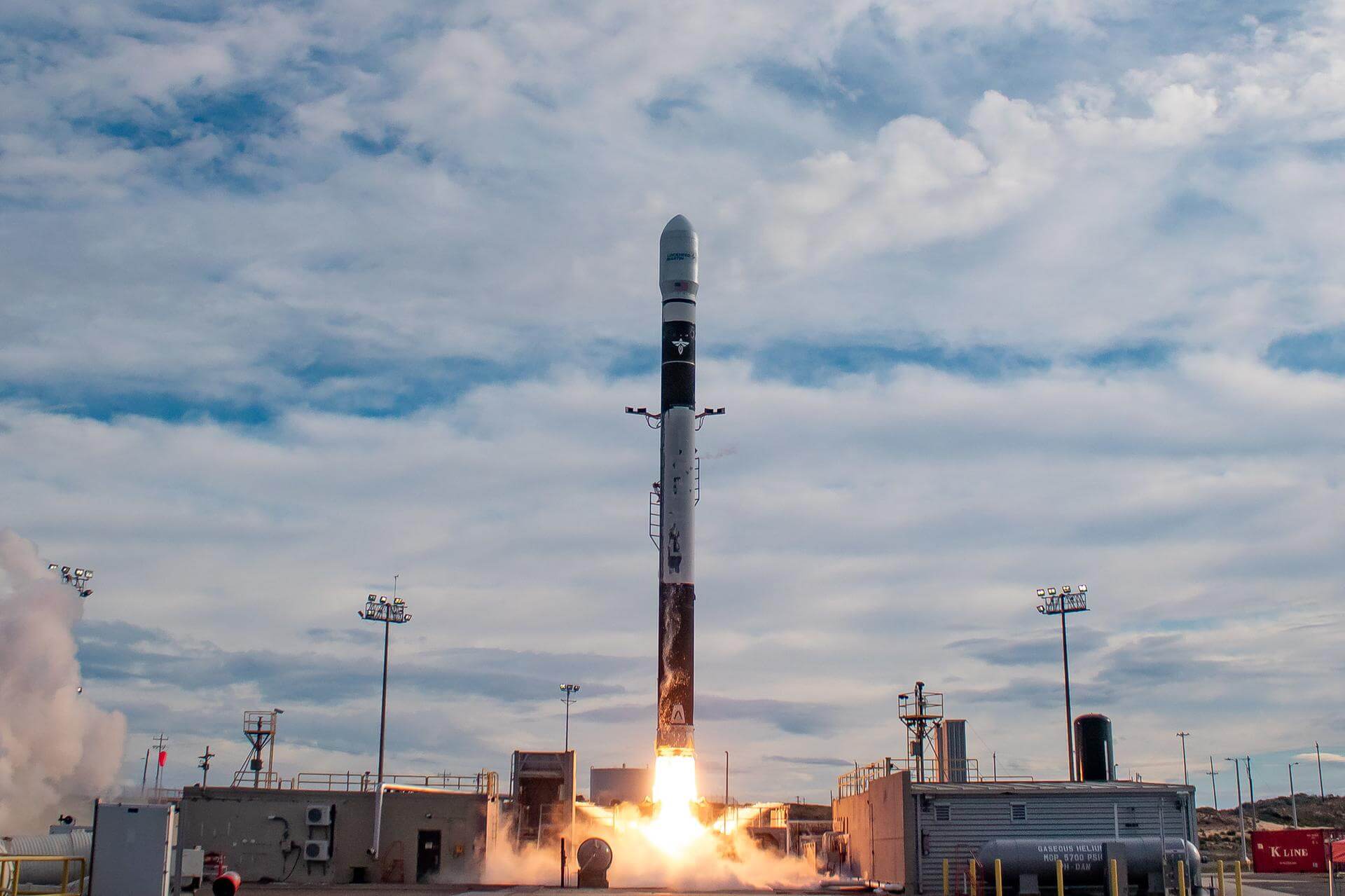
Firefly Alpha Block 2 | VICTUS HAZE Jackal
Firefly Aerospace | United States of AmericaVandenberg SFB, CA, USA
TBD June, 2026
Status: To Be Determined
Mission:
True Anomaly’s Jackal Autonomous Orbital Vehicle (AOV) will support U.S. Space Force Space Systems Command’s VICTUS HAZE Tactically Responsive Space (TacRS) mission with operations in orbit proximity with another spacecraft built by Rocket Lab National Security. The spacecraft, once completed, will remain on call until the U.S. Space Force provides the notice to launch. The Firefly team will then have 24 hours to transport the payload fairing to the pad, mate the fairing to the Alpha rocket, fuel the rocket, and launch within the first available window.
Low Earth Orbit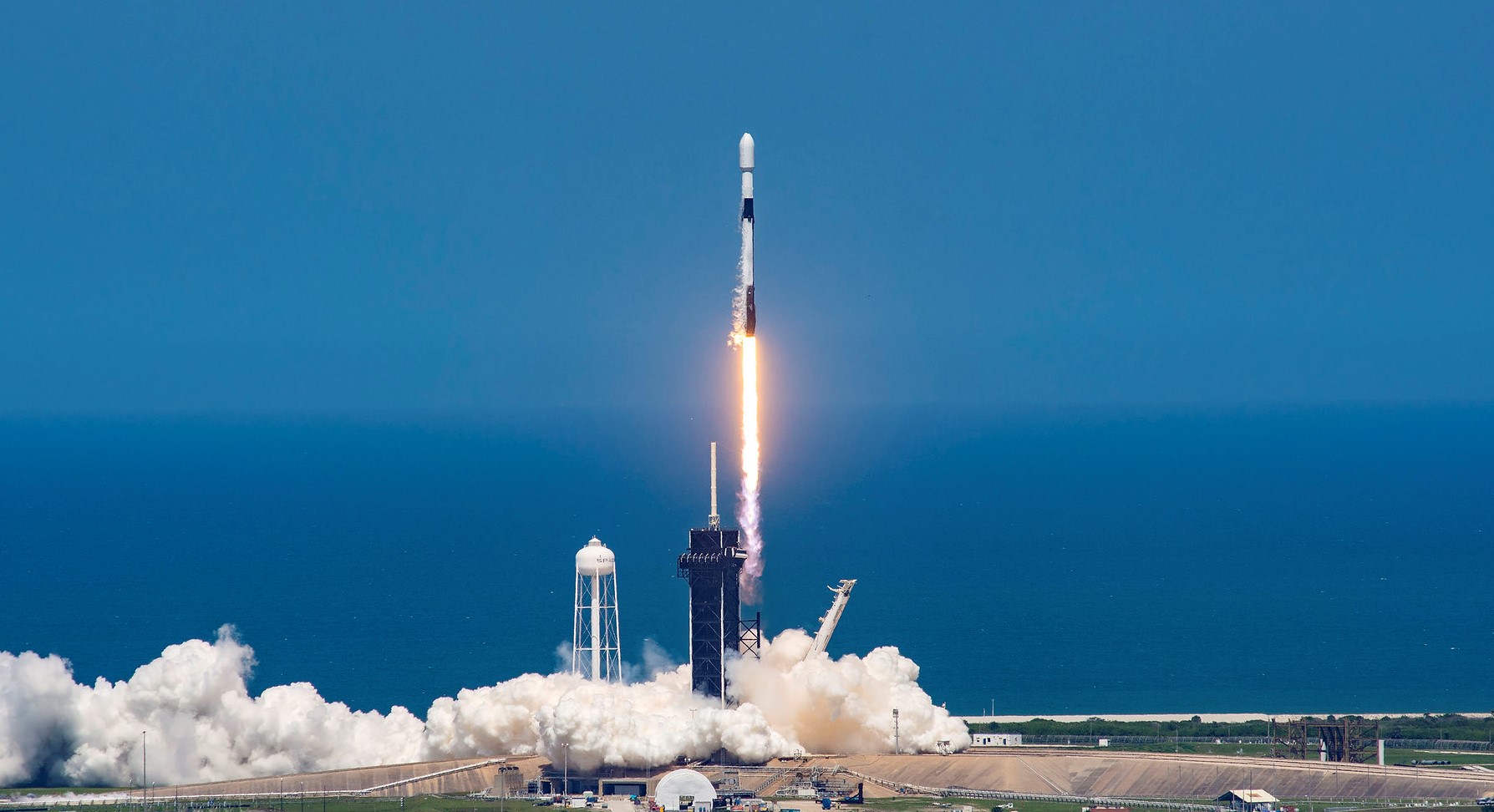
Falcon 9 Block 5 | SDA Tranche 1 Transport Layer E
SpaceX | United States of AmericaVandenberg SFB, CA, USA
TBD June, 2026
Status: To Be Determined
Mission:
Tranche 1 Transport Layer E is one of six missions by the United States Space Force Space Development Agency (SDA) for the Proliferated Warfighter Space Architecture (PWSA) Tranche 1 Transport Layer constellation, which will provide assured, resilient, low-latency military data and connectivity worldwide to the full range of warfighter platforms from Low Earth Orbit satellites. The constellation will be interconnected with Optical Inter-Satellite Links (OISLs) which have significantly increased performance over existing radio frequency crosslinks. It is expected to operate over Ka band, have stereo coverage and be dynamically networked for simpler hand-offs, greater bandwidth and fault tolerance.
Polar OrbitFalcon 9 Block 5 | MRV-1
SpaceX | United States of AmericaCape Canaveral SFS, FL, USA
TBD June, 2026
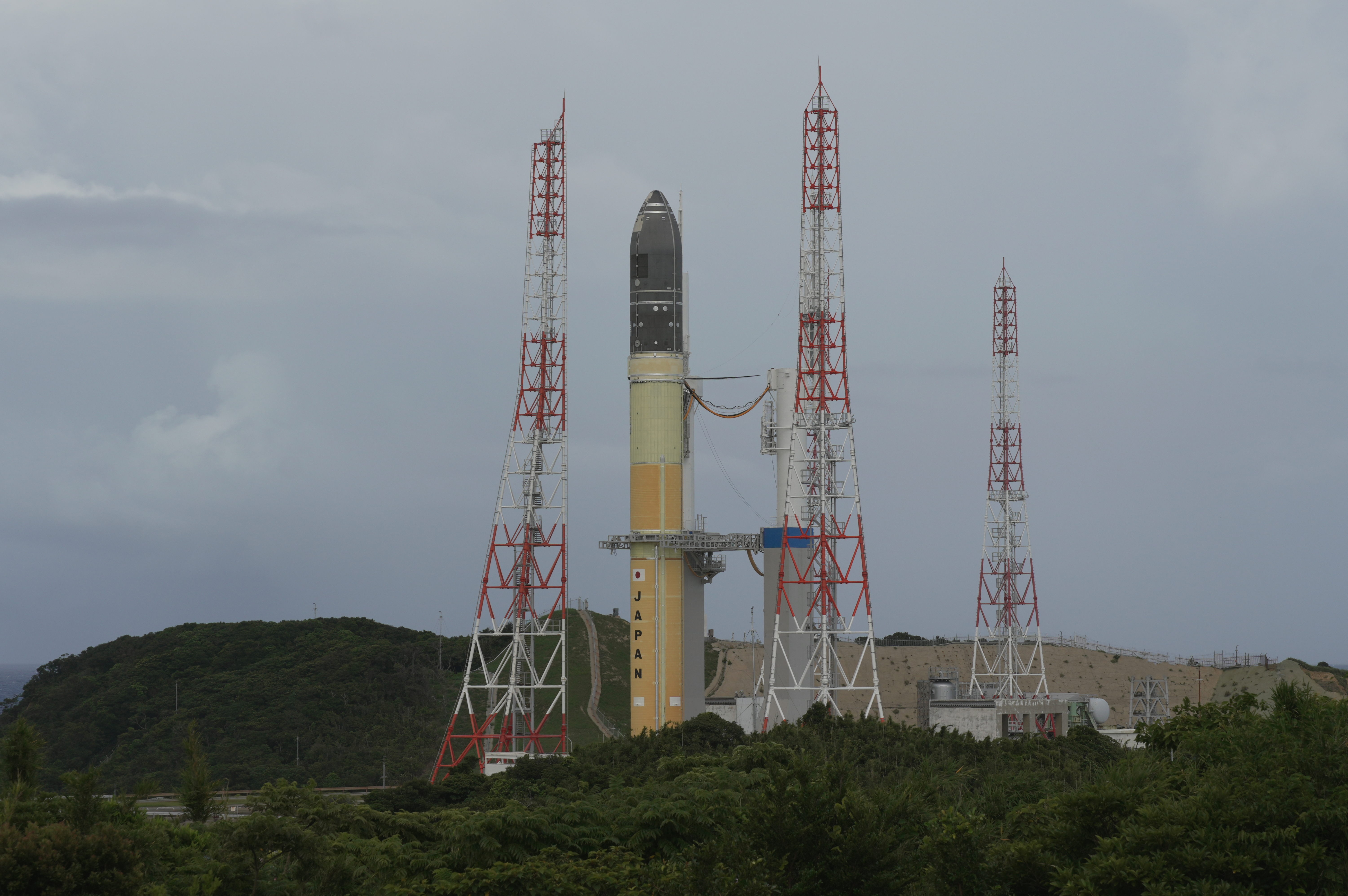
H3-30 | H3-30 Test Flight
Mitsubishi Heavy Industries | JapanTanegashima Space Center, Japan
TBD June, 2026
Status: To Be Determined
Mission:
Test flight of the H3-30 variant of the H3 launch vehicle with 3 LE-9 engines in the first stage and no SRBs. The flight will carry a dummy main payload (Vehicle Evaluation Payload 5, VEP-5) and several hitchhiking small satellites: * PETREL * STARS-X * BRO-19 * VERTECS * HORN-L/R
Sun-Synchronous OrbitFalcon 9 Block 5 | Rivada 7
SpaceX | United States of AmericaVandenberg SFB, CA, USA
TBD June, 2026
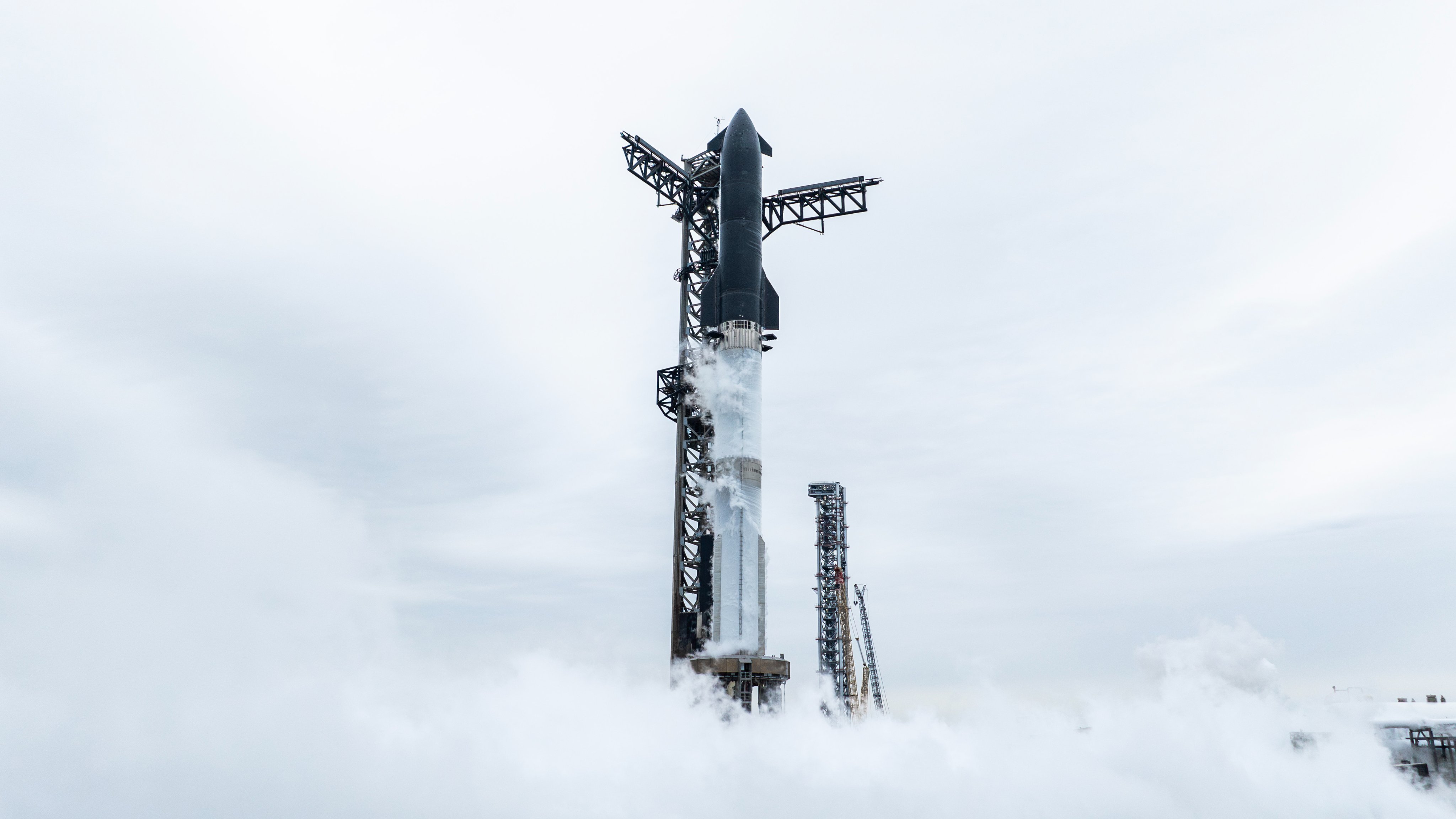
Starship | Flight 13
SpaceX | United States of AmericaSpaceX Starbase, TX, USA
TBD June, 2026
Falcon 9 Block 5 | Rivada 12
SpaceX | United States of AmericaVandenberg SFB, CA, USA
TBD June, 2026
Falcon 9 Block 5 | SDA Tranche 1 Tracking Layer C
SpaceX | United States of AmericaVandenberg SFB, CA, USA
TBD June, 2026
Status: To Be Determined
Mission:
Tranche 1 Tracking Layer C is one of five missions by the United States Space Force Space Development Agency (SDA) for the Proliferated Warfighter Space Architecture (PWSA) Tranche 1 Tracking Layer constellation, which will provide global indications, warning, tracking, and targeting of advanced missile threats, including hypersonic missile systems.
Polar OrbitFalcon 9 Block 5 | SDA Tranche 1 Transport Layer F
SpaceX | United States of AmericaVandenberg SFB, CA, USA
TBD June, 2026
Status: To Be Determined
Mission:
Tranche 1 Transport Layer F is one of six missions by the United States Space Force Space Development Agency (SDA) for the Proliferated Warfighter Space Architecture (PWSA) Tranche 1 Transport Layer constellation, which will provide assured, resilient, low-latency military data and connectivity worldwide to the full range of warfighter platforms from Low Earth Orbit satellites. The constellation will be interconnected with Optical Inter-Satellite Links (OISLs) which have significantly increased performance over existing radio frequency crosslinks. It is expected to operate over Ka band, have stereo coverage and be dynamically networked for simpler hand-offs, greater bandwidth and fault tolerance.
Polar Orbit
Nebula-1 | Demo Flight
Deep Blue Aerospace | ChinaHaiyang Oriental Spaceport
TBD June, 2026
Falcon 9
Cygnus CRS-2 NG-24 (S.S. Steven R. Nagel)
Space Launch Complex 40 - Cape Canaveral SFS, FL, USAThis is the 24th flight of the Orbital ATK's uncrewed resupply spacecraft Cygnus and its 23rd flight to the International Space Station under the Com…
Smart Dragon 3
SatNet test satellite
South China Sea (launch location 3) - Haiyang Oriental SpaceportOfficially described as "Satellite-Internet Technology Demonstration Satellite". Probable 1 (?) test satellite for the Chinese state-owned LEO commun…
Falcon 9
Starlink Group 17-21
Space Launch Complex 4E - Vandenberg SFB, CA, USAA batch of 25 satellites for the Starlink mega-constellation - SpaceX's project for space-based Internet communication system.
Long March 6A
SatNet LEO Group 21
Launch Complex 9A - Taiyuan Satellite Launch Center, People's Republic of ChinaA batch of 5 Low Earth Orbit communication satellites for the Chinese state owned SatNet constellation operated by the China Satellite Network Group.…
Long March 8
SpaceSail Polar Group 07
Commercial LC-1 - Wenchang Space Launch Site, People's Republic of China18 Low Earth Orbit communication satellites with Ku, Q and V band payloads for the G60 constellation operated by Shanghai Spacesail Technologies with…
Minotaur IV
STP-S29A
Space Launch Complex 8 - Vandenberg SFB, CA, USASTP-S29A is a mission under the U.S. Department of Defense's Space Test Program (STP) that will deliver technology demonstrations to orbit and contri…
Falcon 9
Starlink Group 17-35
Space Launch Complex 4E - Vandenberg SFB, CA, USAA batch of 25 satellites for the Starlink mega-constellation - SpaceX's project for space-based Internet communication system.
Atlas V 551
Amazon Leo (LA-05)
Space Launch Complex 41 - Cape Canaveral SFS, FL, USAAmazon Leo, formerly known as Project Kuiper, is a mega constellation of satellites in Low Earth Orbit that will offer broadband internet access, thi…
Soyuz 2.1a/Fregat-M
Meridian-M No.21L
43/3 (43L) - Plesetsk Cosmodrome, Russian FederationNote: Payload identity uncertain. Meridian is a series of communications satellite for military and civilian use.
Tianlong-3
Demo Flight
Tianlong-3 Launch Pad - Jiuquan Satellite Launch Center, People's Republic of ChinaFirst test launch of Space Pioneer’s Tianlong-3 rocket.

