Upcoming Spaceflight Launches
Filter by Agency, Locations or Vehicles
Show All Launches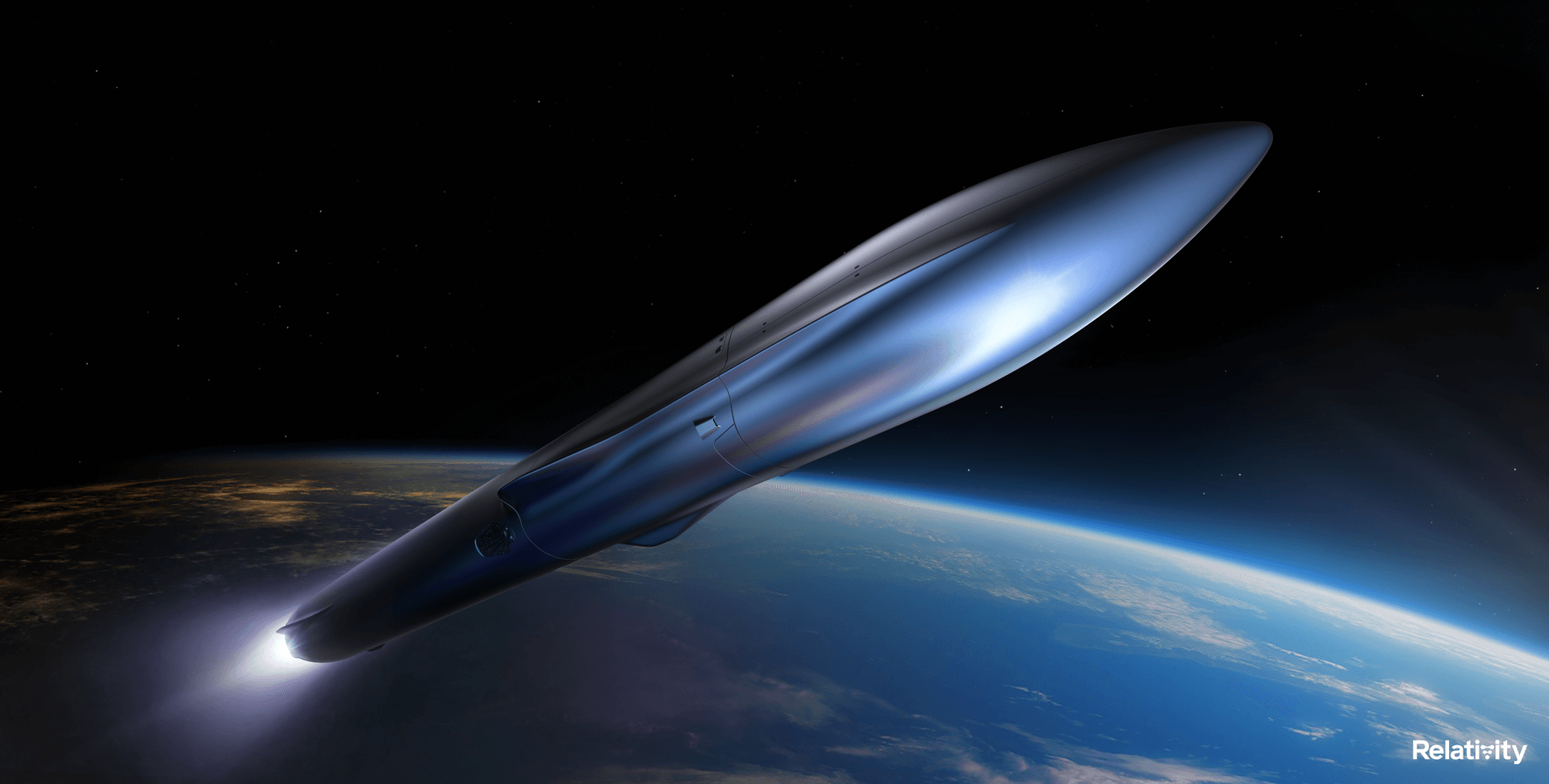
Terran R | Intelsat-1
Relativity Space | United States of AmericaCape Canaveral SFS, FL, USA
TBD December, 2026
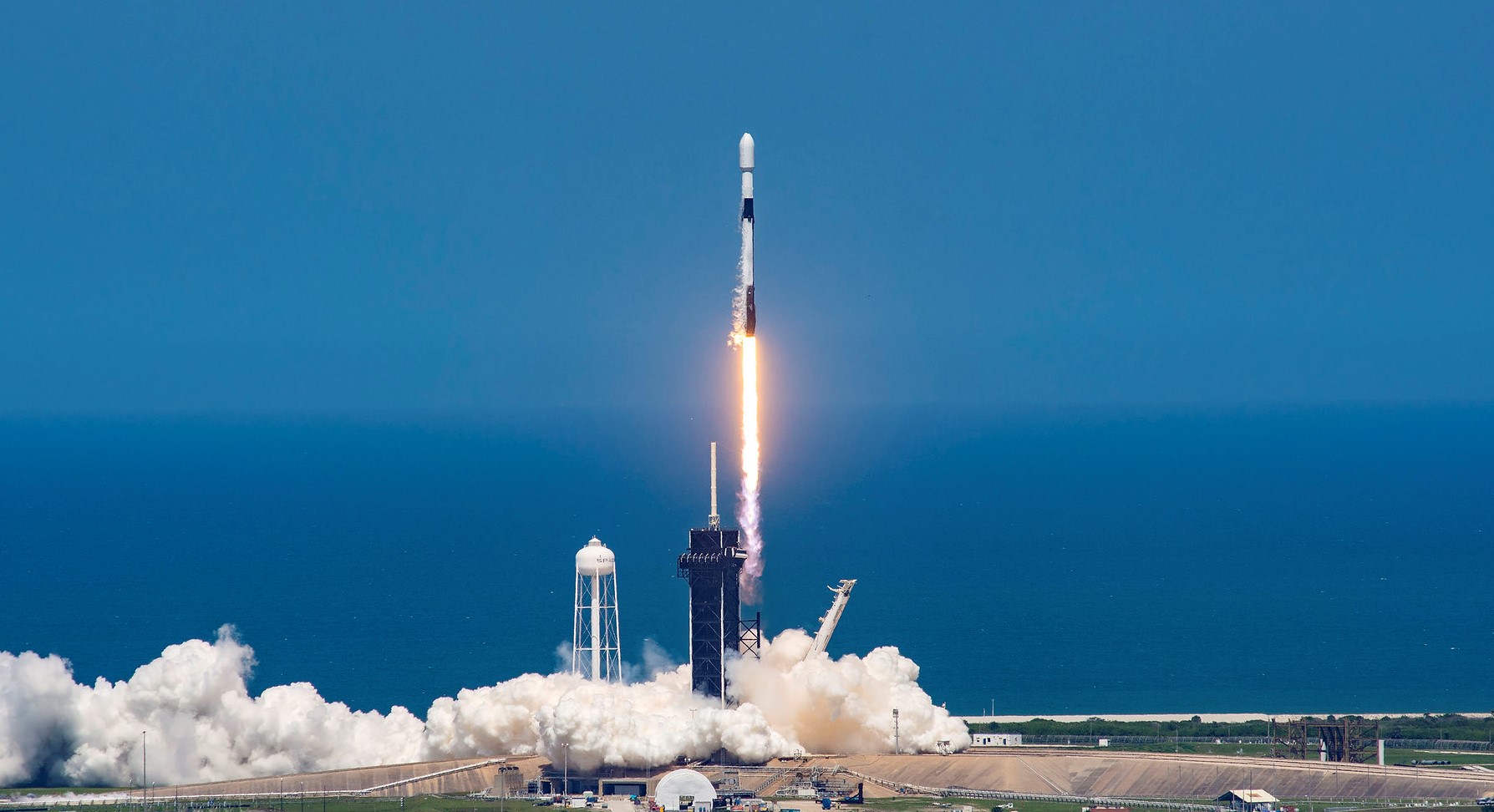
Falcon 9 Block 5 | Rivada 2
SpaceX | United States of AmericaVandenberg SFB, CA, USA
TBD December, 2026
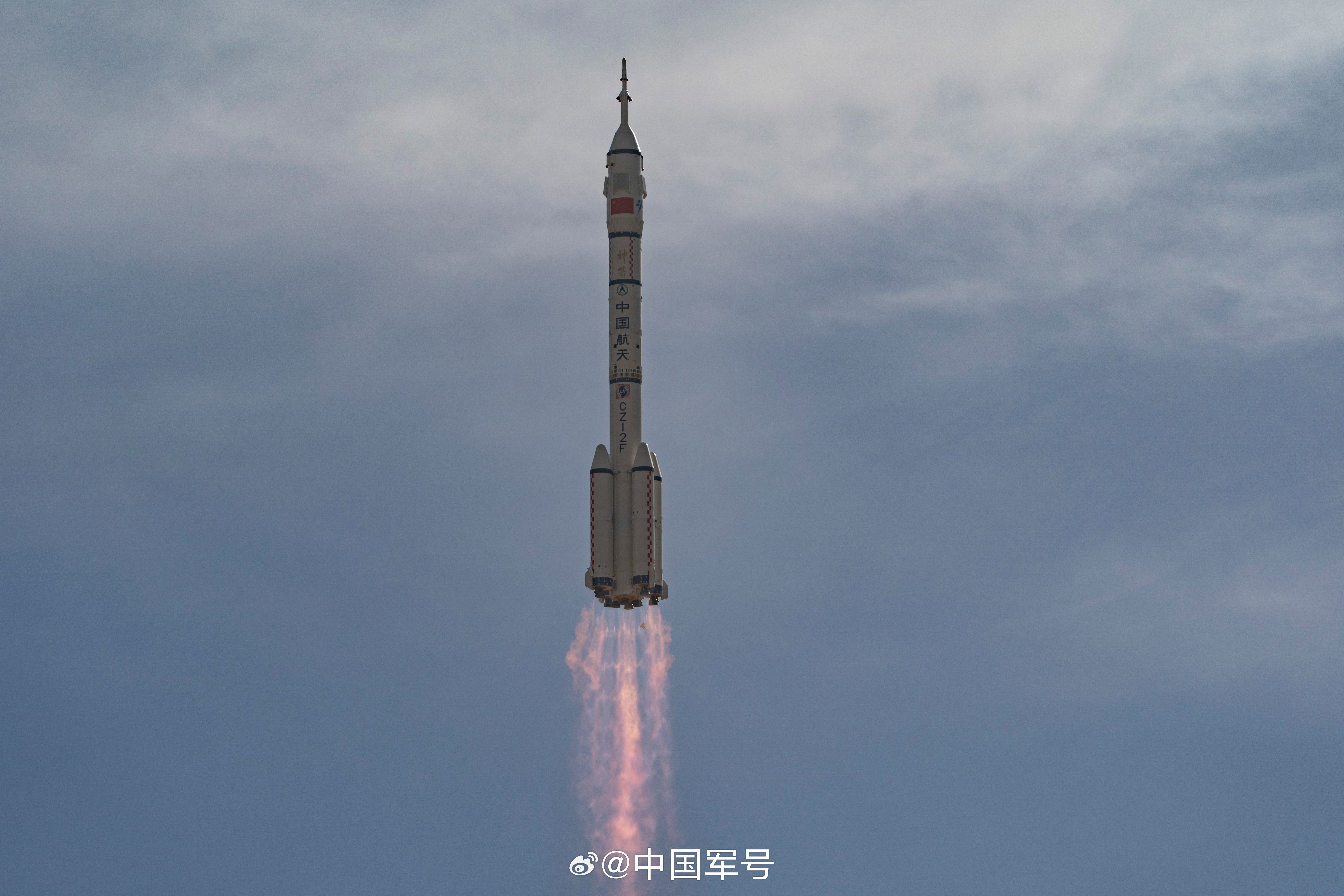
Long March 2F/G | Shenzhou 24
China Aerospace Science and Technology Corporation | ChinaJiuquan Satellite Launch Center, People's Republic of China
TBD December, 2026
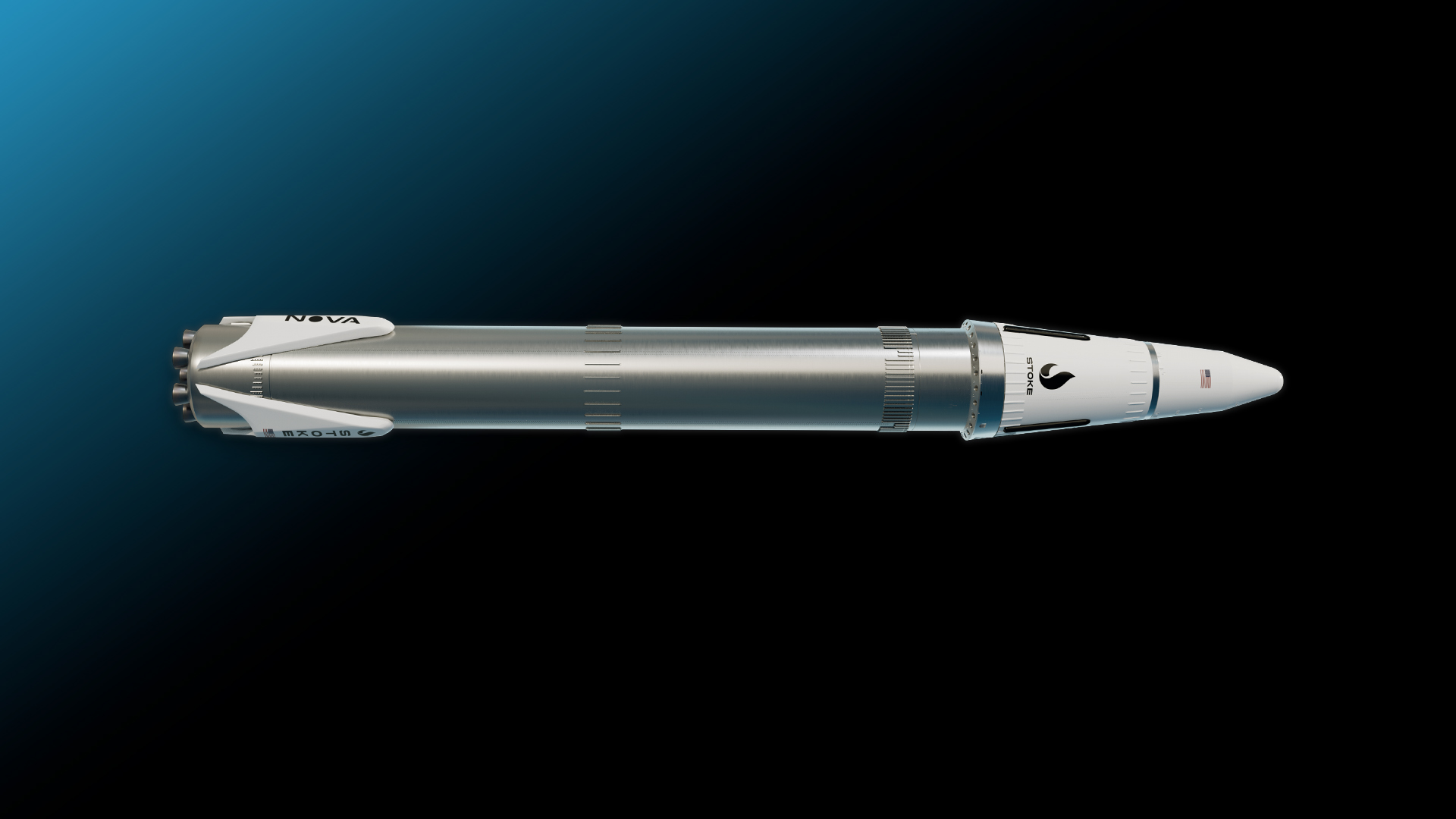
Nova | Demo Flight
Stoke Space | United States of AmericaCape Canaveral SFS, FL, USA
TBD December, 2026
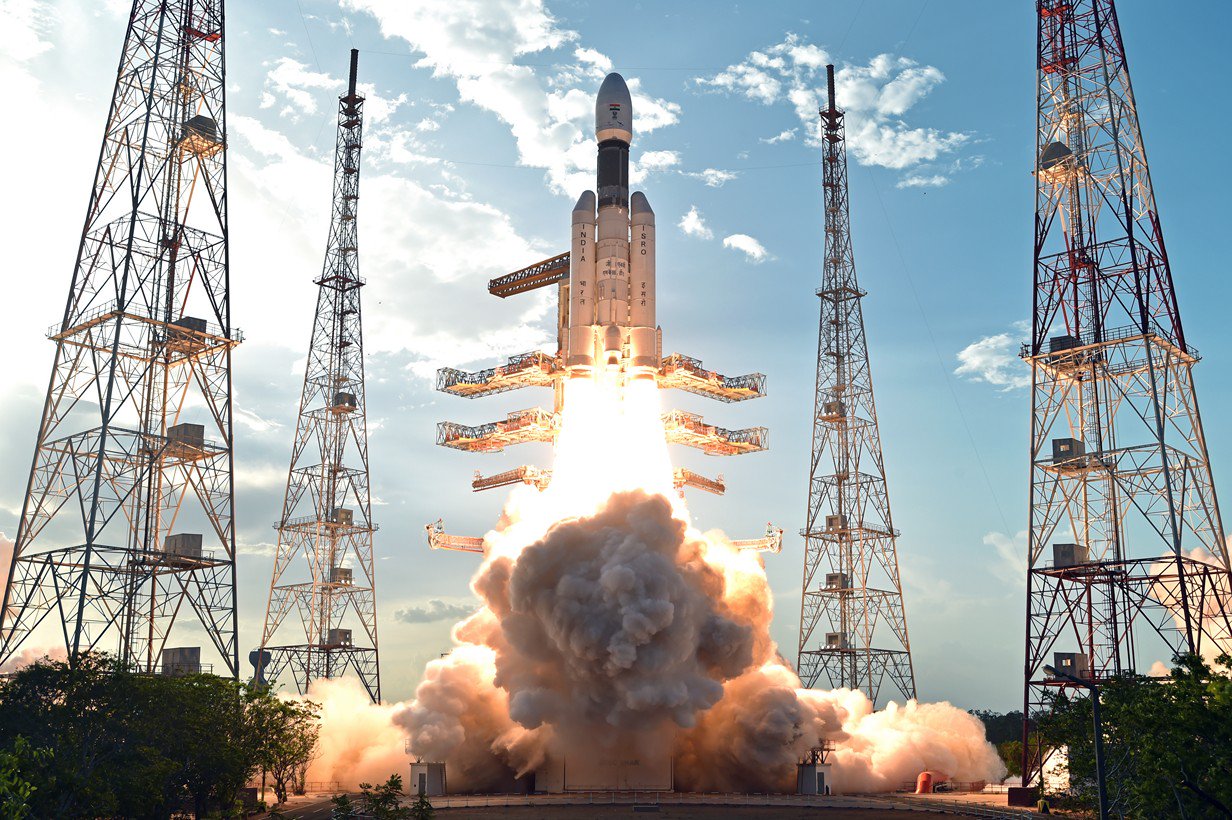
LVM-3 | Gaganyaan-3
Indian Space Research Organization | IndiaSatish Dhawan Space Centre, India
TBD December, 2026
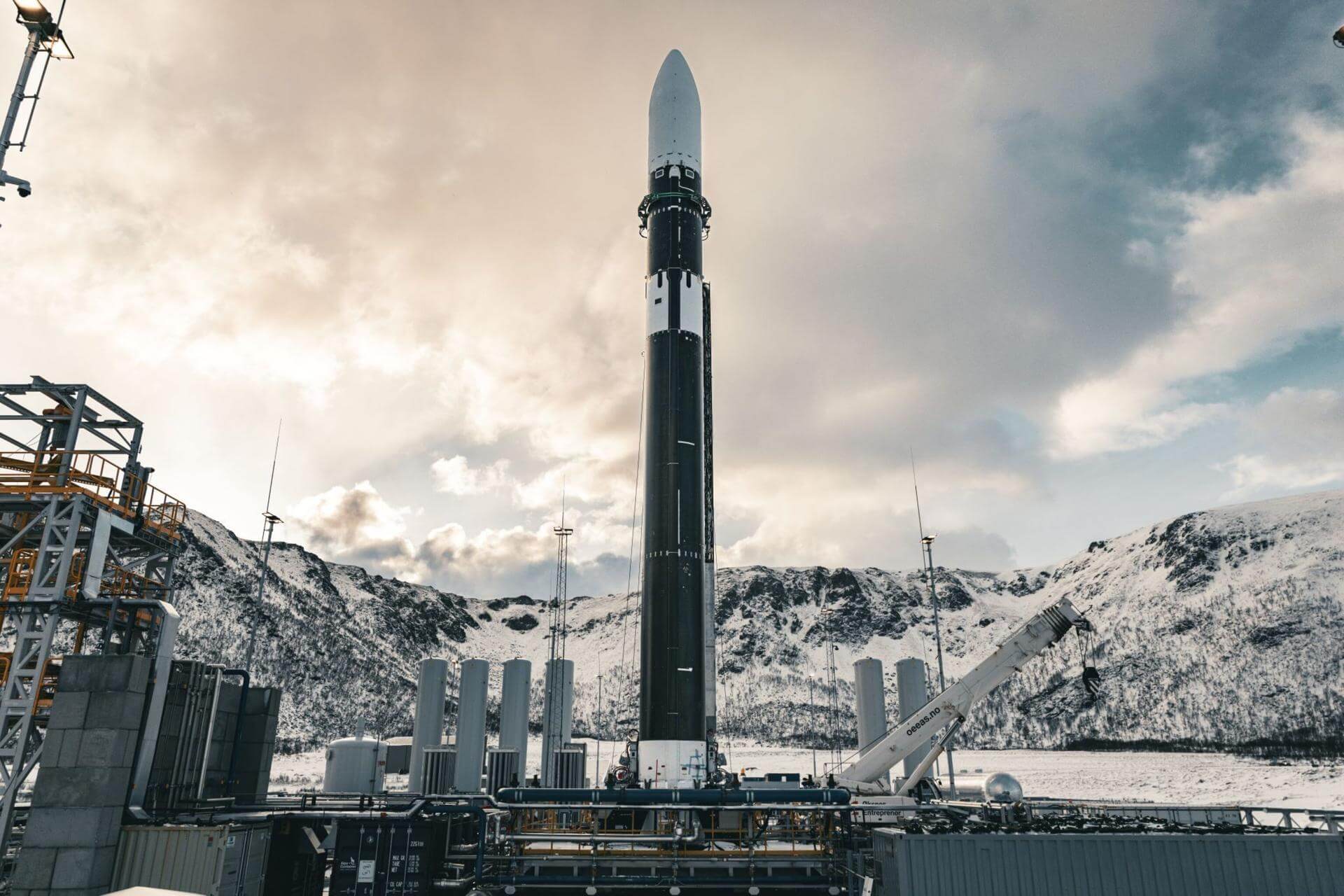
Spectrum | Tom & Jerry
Isar Aerospace | GermanyAndøya Spaceport
TBD December, 2026
Falcon 9 Block 5 | Telesat Lightspeed 6
SpaceX | United States of AmericaCape Canaveral SFS, FL, USA
TBD December, 2026
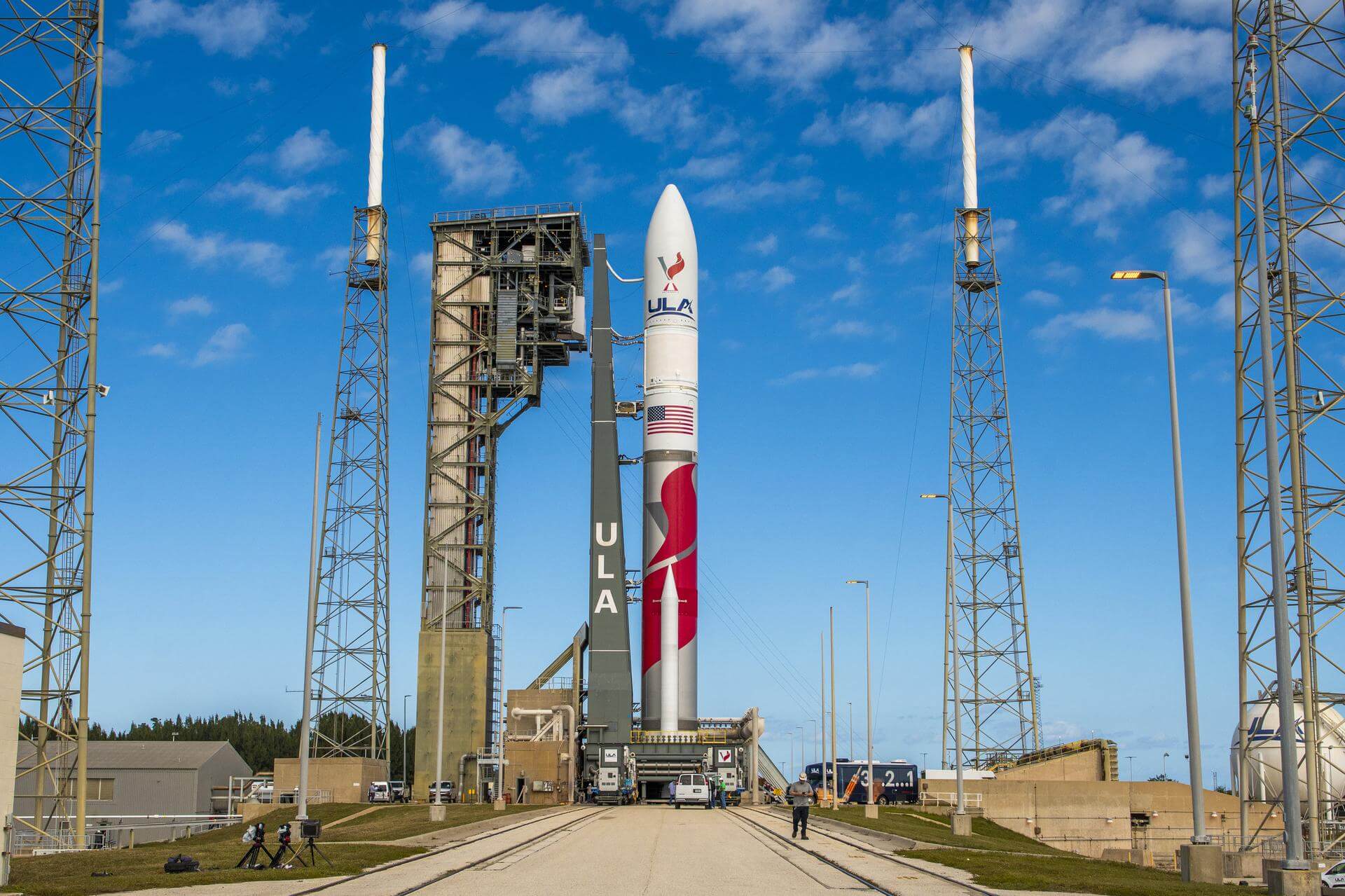
Vulcan | NROL-64
United Launch Alliance | United States of AmericaCape Canaveral SFS, FL, USA
TBD December, 2026
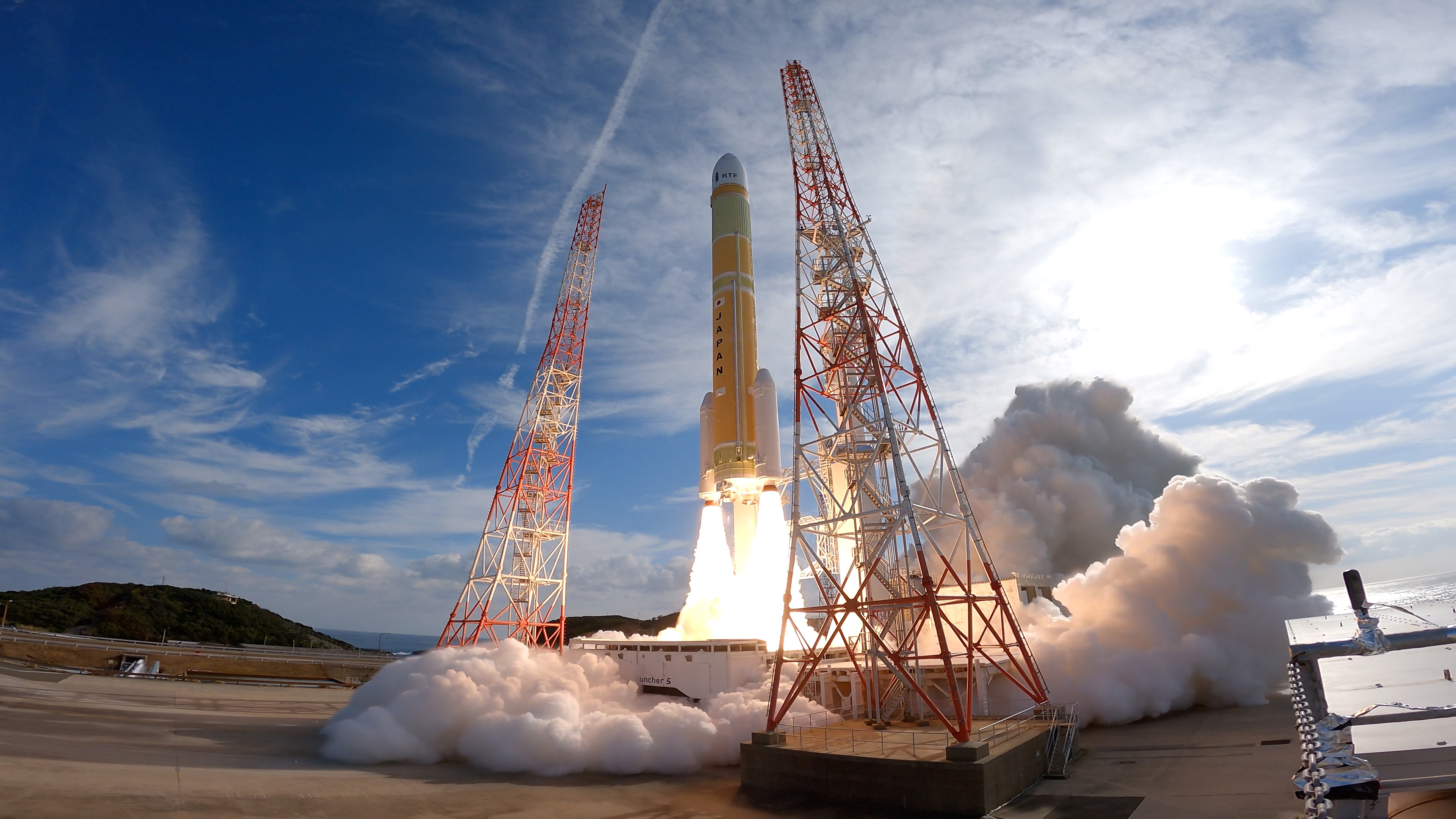
H3-22 | Michibiki 7 (QZS-7)
Mitsubishi Heavy Industries | JapanTanegashima Space Center, Japan
TBD December, 2026
Status: To Be Determined
Mission:
QZSS (Quasi Zenith Satellite System) is a Japanese satellite navigation system operating from inclined, elliptical geosynchronous orbits to achieve optimal high-elevation visibility in urban canyons and mountainous areas. The navigation system objective is to broadcast GPS-interoperable and augmentation signals as well as original Japanese (QZSS) signals from a three-spacecraft constellation. The navigation system objective is to broadcast GPS-interoperable and augmentation signals as well as original Japanese (QZSS) signals from a three-spacecraft constellation in inclined, elliptical geosynchronous orbits.
Geostationary Transfer OrbitFalcon 9 Block 5 | Telesat Lightspeed 1
SpaceX | United States of AmericaCape Canaveral SFS, FL, USA
TBD December, 2026
Falcon 9
Starlink Group 17-15
Space Launch Complex 4E - Vandenberg SFB, CA, USAA batch of 25 satellites for the Starlink mega-constellation - SpaceX's project for space-based Internet communication system.
Electron
Eight Days A Week (StriX Launch 8)
Rocket Lab Launch Complex 1B - Rocket Lab Launch Complex 1, Mahia Peninsula, New ZealandSynthetic aperture radar satellite for Japanese Earth imaging company Synspective.
Falcon 9
Starlink Group 10-33
Space Launch Complex 40 - Cape Canaveral SFS, FL, USAA batch of 29 satellites for the Starlink mega-constellation - SpaceX's project for space-based Internet communication system.
Falcon 9
Starlink Group 10-46
Space Launch Complex 40 - Cape Canaveral SFS, FL, USAA batch of 29 satellites for the Starlink mega-constellation - SpaceX's project for space-based Internet communication system.
Falcon 9
Starlink Group 17-24
Space Launch Complex 4E - Vandenberg SFB, CA, USAA batch of 25 satellites for the Starlink mega-constellation - SpaceX's project for space-based Internet communication system.
Kuaizhou 11
8 satellites
Launch Area 95A - Jiuquan Satellite Launch Center, People's Republic of ChinaRide-share launch of 8 satellites to sun-synchronous orbit: * Juntian-1-04A * Dongpo-11 * Dongpo-12 * Dongpo-16 * Weitong-1-01 * Xiguang-1-06…
Long March 6A
Yaogan 50-02
Launch Complex 9A - Taiyuan Satellite Launch Center, People's Republic of ChinaThe Yaogan 50-02 is a Chinese military “remote sensing” satellite of unknown purposes.
Falcon 9
Starlink Group 10-48
Space Launch Complex 40 - Cape Canaveral SFS, FL, USAA batch of 29 satellites for the Starlink mega-constellation - SpaceX's project for space-based Internet communication system.
Falcon 9
Starlink Group 17-31
Space Launch Complex 4E - Vandenberg SFB, CA, USAA batch of 25 satellites for the Starlink mega-constellation - SpaceX's project for space-based Internet communication system.
Long March 2D
Shiyan 30 03-04
Launch Complex 3 (LC-3/LA-1) - Xichang Satellite Launch Center, People's Republic of ChinaA pair of Chinese satellites reported to be for "Earth observation technological testing and validation" purposes. Actual usage not known.

