Upcoming Spaceflight Launches
Filter by Agency, Locations or Vehicles
Show All Launches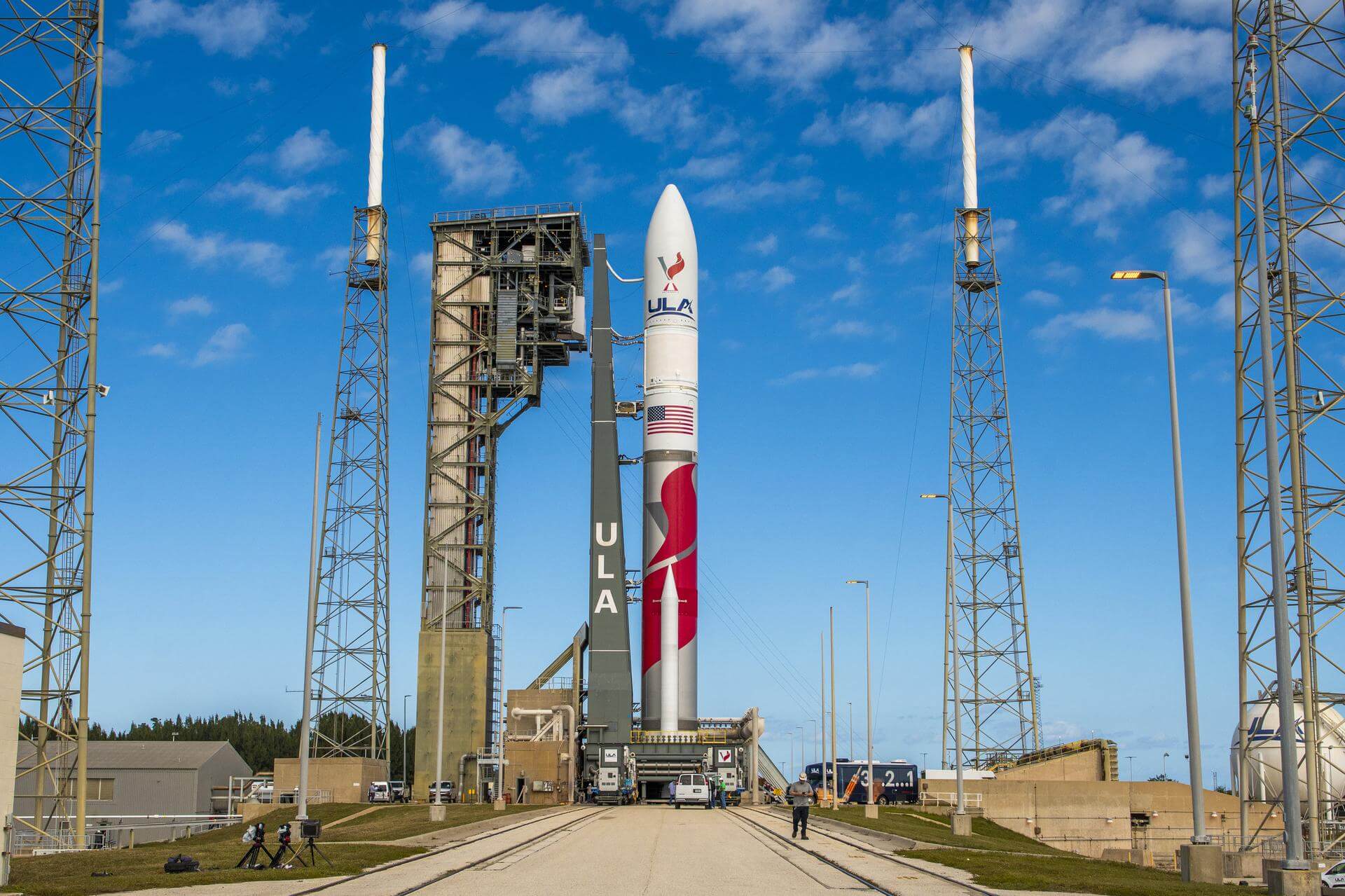
Vulcan | NROL-109
United Launch Alliance | United States of AmericaCape Canaveral SFS, FL, USA
TBD December, 2026
Vulcan | USSF-114
United Launch Alliance | United States of AmericaVandenberg SFB, CA, USA
TBD December, 2026
Vulcan | USSF-112
United Launch Alliance | United States of AmericaCape Canaveral SFS, FL, USA
TBD December, 2026
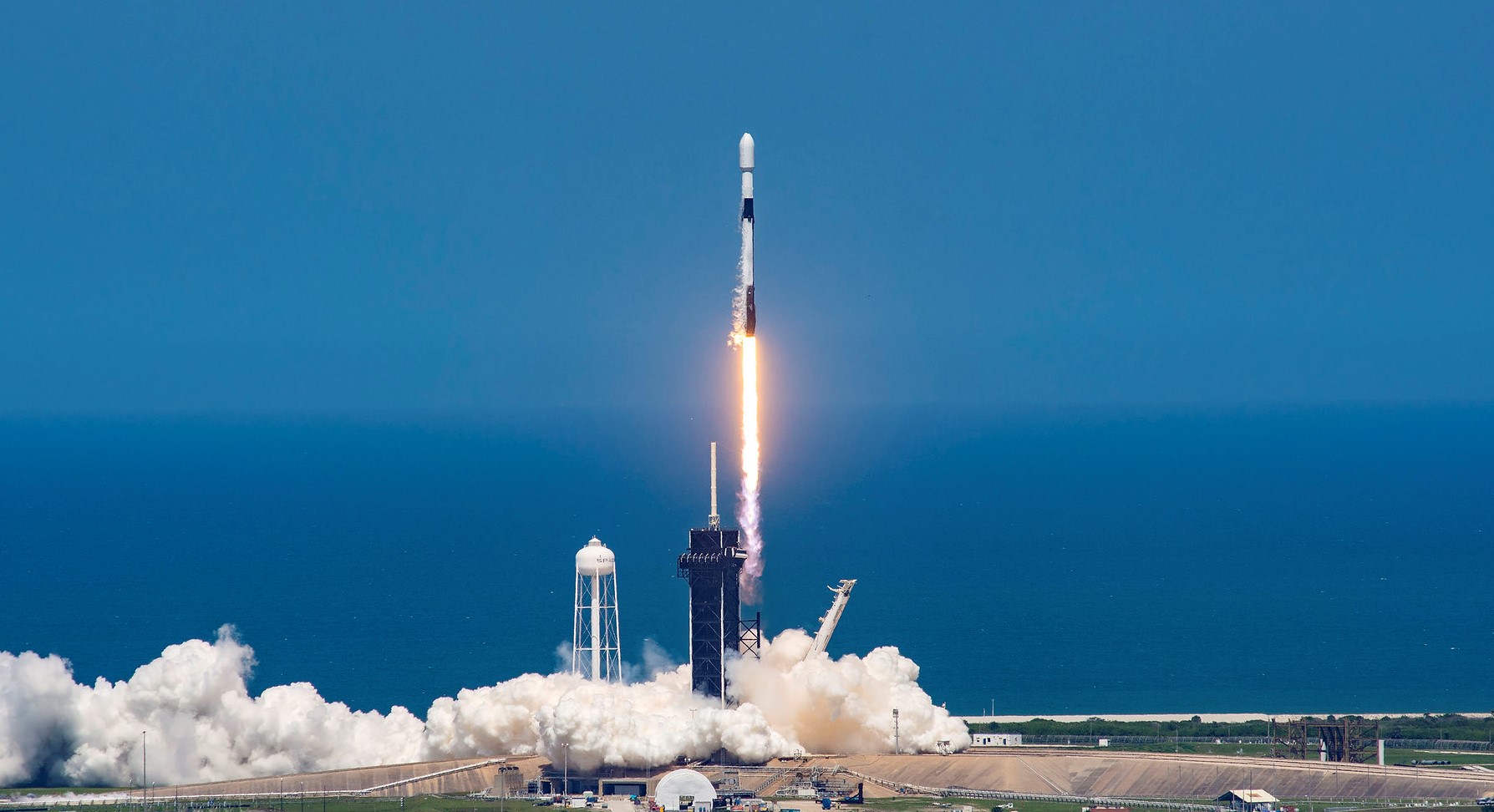
Falcon 9 Block 5 | Rivada 5
SpaceX | United States of AmericaVandenberg SFB, CA, USA
TBD December, 2026
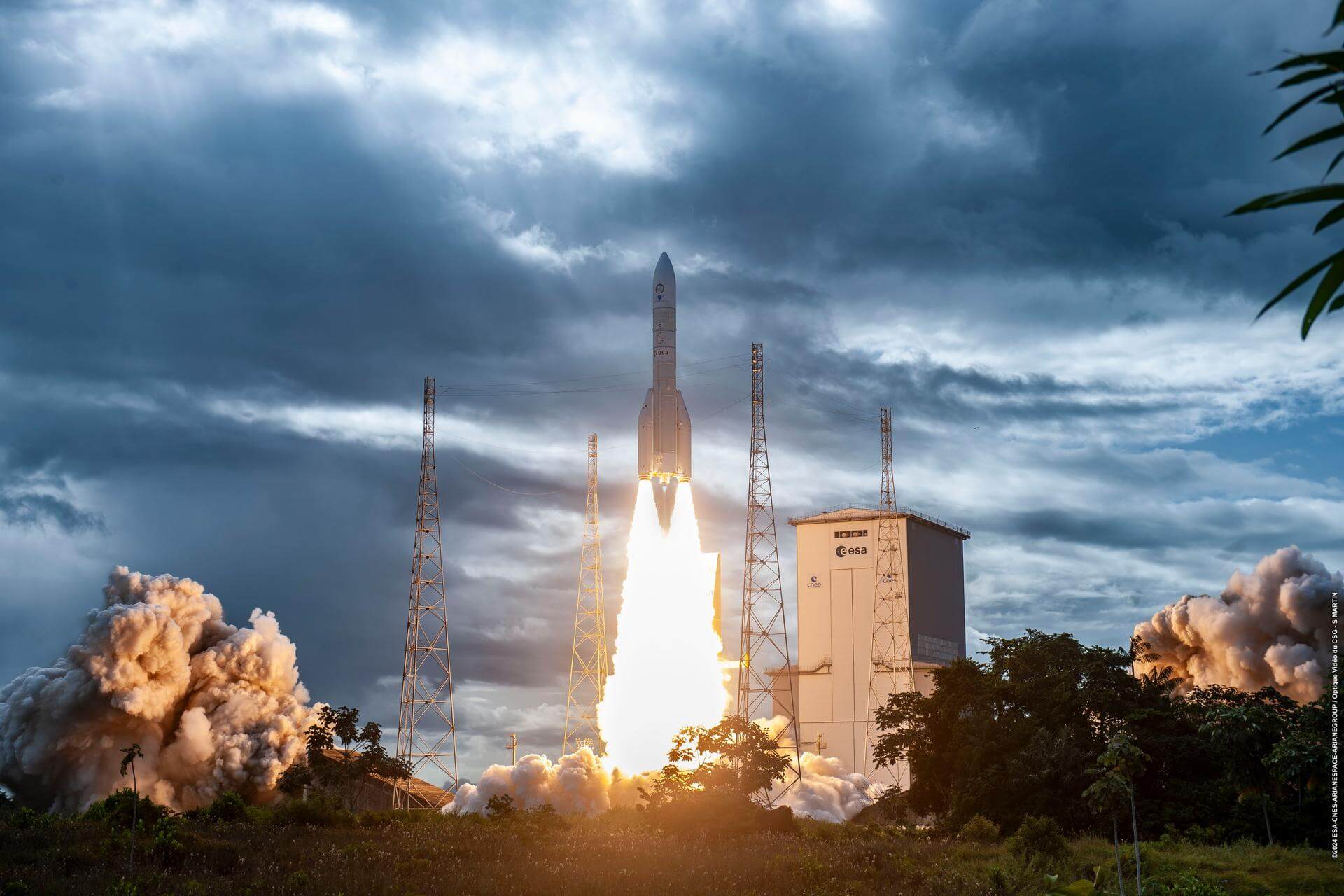
Ariane 62 | Metop-SG B1
ArianeGroup | FranceGuiana Space Centre, French Guiana
TBD December, 2026
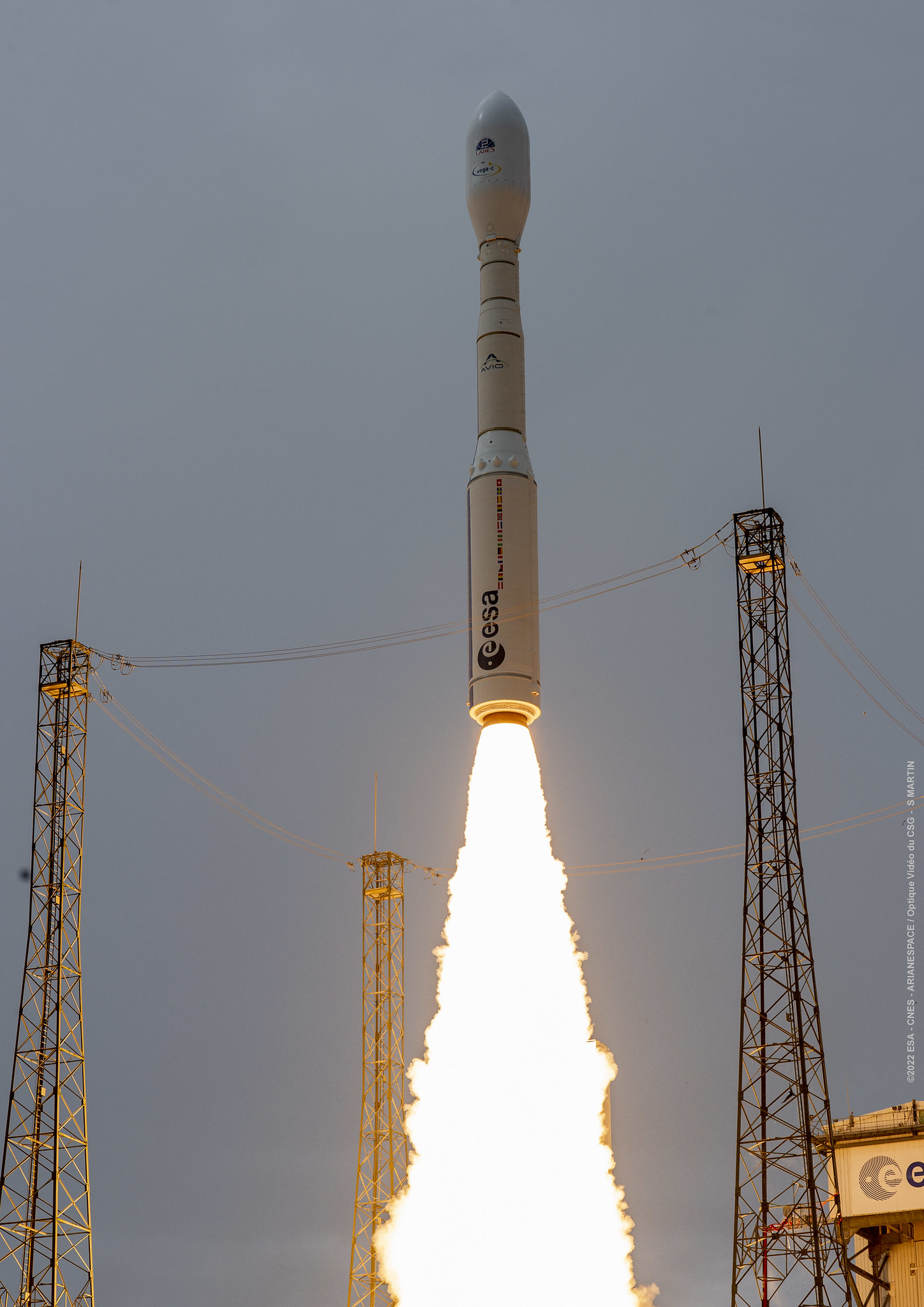
Vega-C | IRIDE 2
Avio S.p.A | ItalyGuiana Space Centre, French Guiana
TBD December, 2026
Vulcan | SDA Tranche 1 Tracking Layer D
United Launch Alliance | United States of AmericaVandenberg SFB, CA, USA
TBD December, 2026
Status: To Be Determined
Mission:
Tranche 1 Tracking Layer D is one of five missions by the United States Space Force Space Development Agency (SDA) for the Proliferated Warfighter Space Architecture (PWSA) Tranche 1 Tracking Layer constellation, which will provide global indications, warning, tracking, and targeting of advanced missile threats, including hypersonic missile systems.
Polar Orbit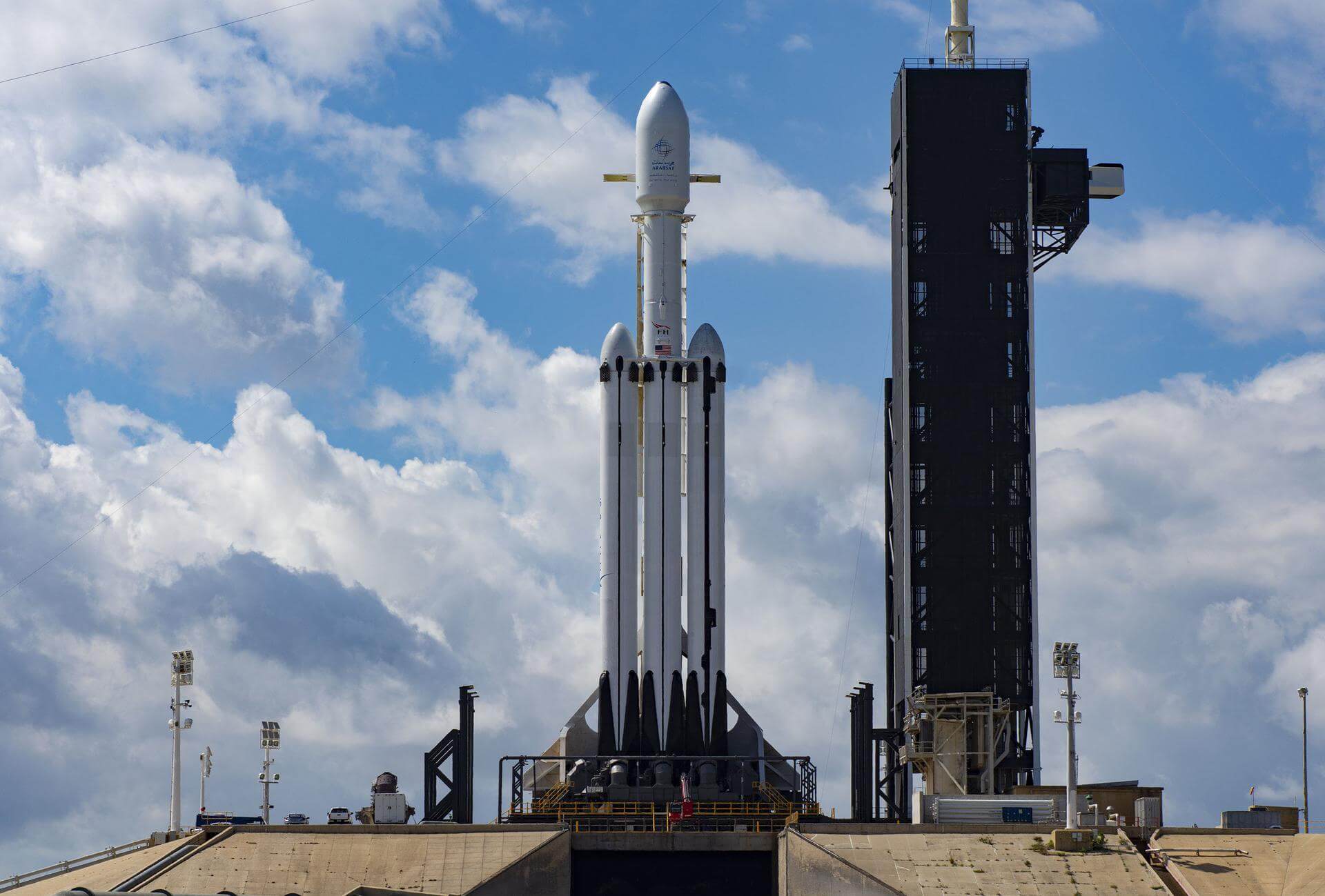
Falcon Heavy | USSF-75
SpaceX | United States of AmericaKennedy Space Center, FL, USA
TBD December, 2026
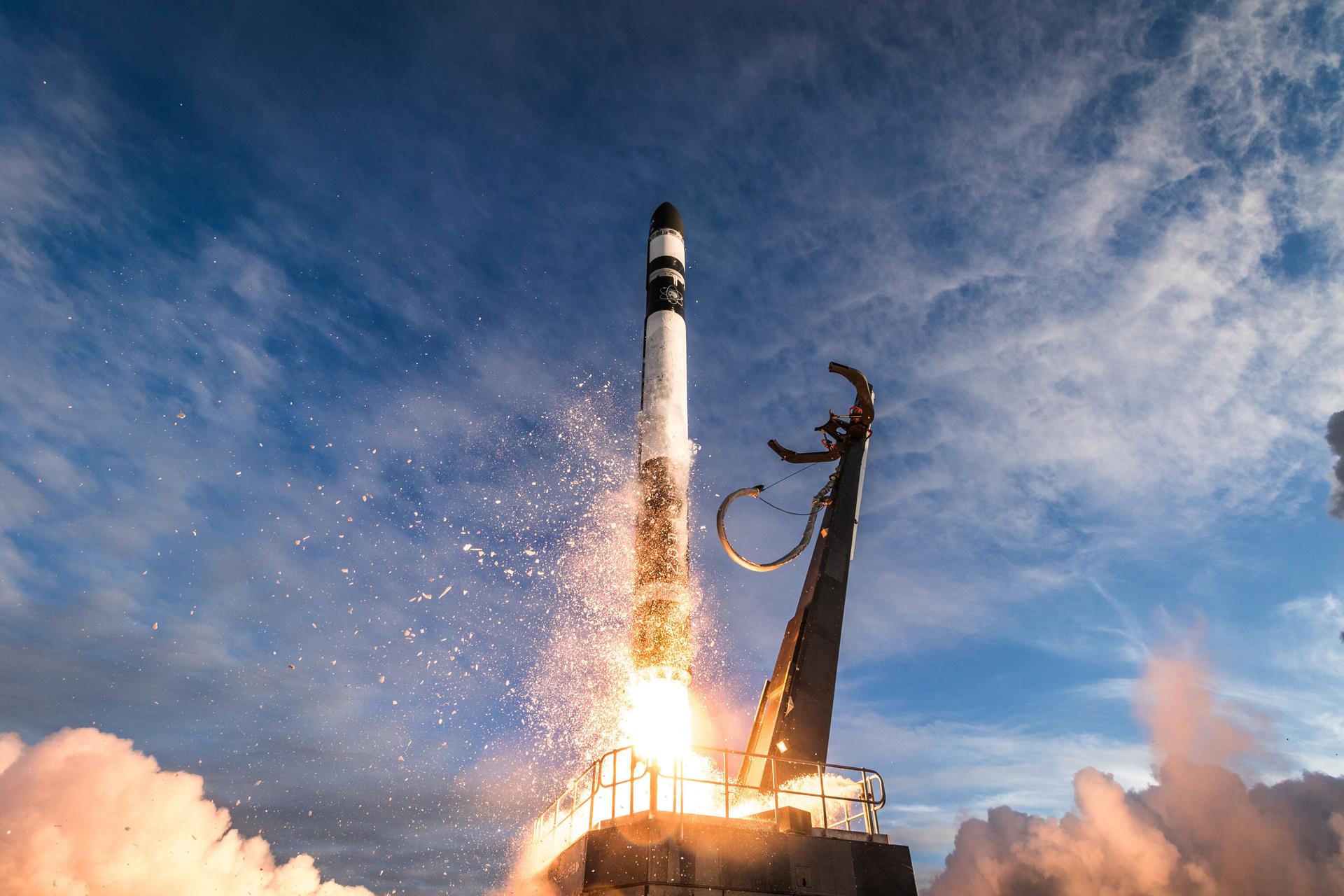
Electron | BlackSky Gen-3 6
Rocket Lab | United States of AmericaRocket Lab Launch Complex 1, Mahia Peninsula, New Zealand
TBD December, 2026
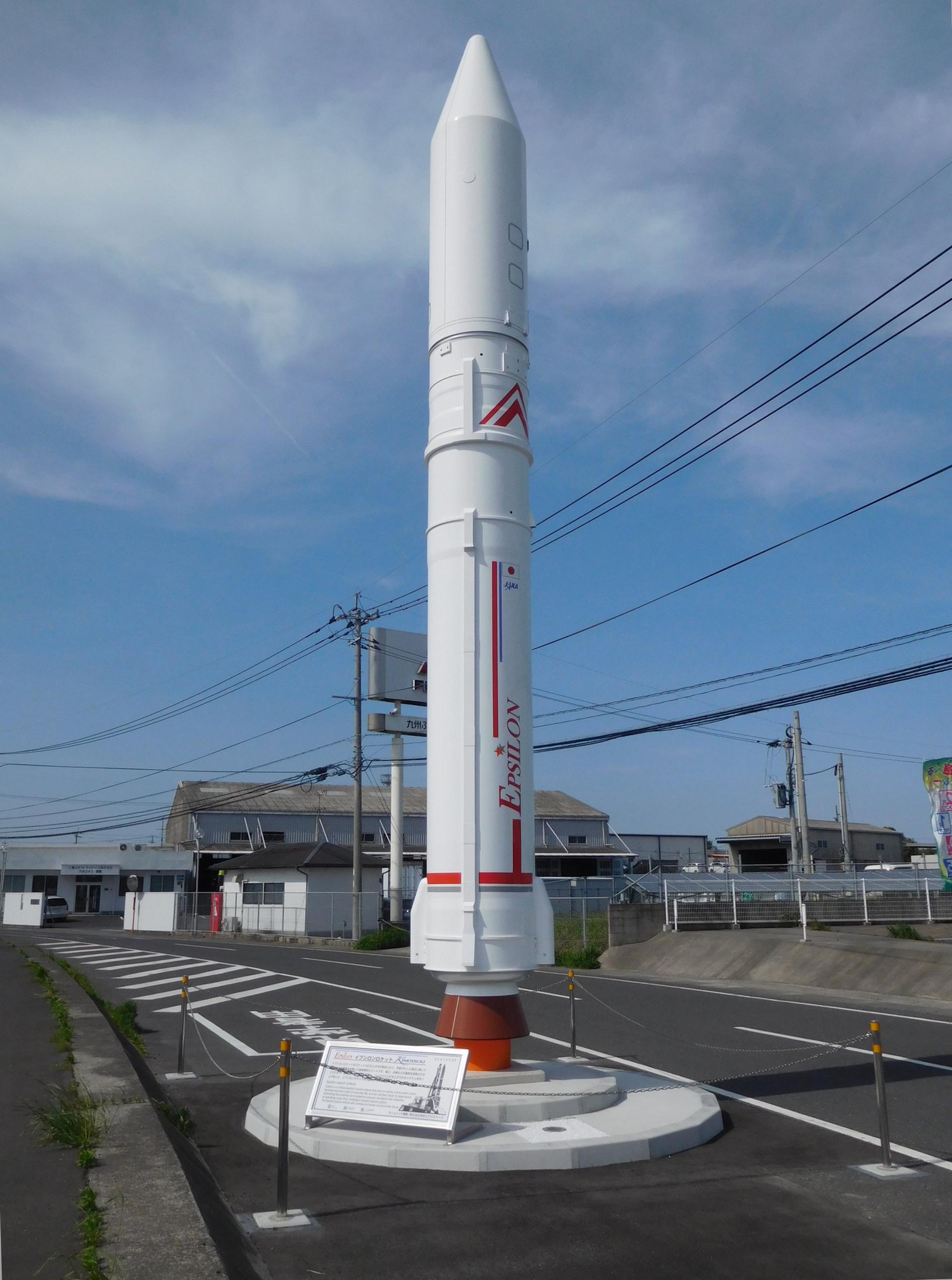
Epsilon S | JV-LOTUSat-1
Japan Aerospace Exploration Agency | JapanUchinoura Space Center, Japan
TBD December, 2026
Status: To Be Determined
Mission:
Vietnamese Synthetic Aperture Radar Earth observation satellite build by NEC Corporation of Japan, based on Japan's ASNARO 2 satellite and the NEXTAR NX-300L satellite bus. The satellite will contribute to measures against natural disasters and climate change in Vietnam.
Sun-Synchronous OrbitFalcon 9
Starlink Group 17-15
Space Launch Complex 4E - Vandenberg SFB, CA, USAA batch of 25 satellites for the Starlink mega-constellation - SpaceX's project for space-based Internet communication system.
Electron
Eight Days A Week (StriX Launch 8)
Rocket Lab Launch Complex 1B - Rocket Lab Launch Complex 1, Mahia Peninsula, New ZealandSynthetic aperture radar satellite for Japanese Earth imaging company Synspective.
Falcon 9
Starlink Group 10-33
Space Launch Complex 40 - Cape Canaveral SFS, FL, USAA batch of 29 satellites for the Starlink mega-constellation - SpaceX's project for space-based Internet communication system.
Falcon 9
Starlink Group 10-46
Space Launch Complex 40 - Cape Canaveral SFS, FL, USAA batch of 29 satellites for the Starlink mega-constellation - SpaceX's project for space-based Internet communication system.
Falcon 9
Starlink Group 17-24
Space Launch Complex 4E - Vandenberg SFB, CA, USAA batch of 25 satellites for the Starlink mega-constellation - SpaceX's project for space-based Internet communication system.
Kuaizhou 11
8 satellites
Launch Area 95A - Jiuquan Satellite Launch Center, People's Republic of ChinaRide-share launch of 8 satellites to sun-synchronous orbit: * Juntian-1-04A * Dongpo-11 * Dongpo-12 * Dongpo-16 * Weitong-1-01 * Xiguang-1-06…
Long March 6A
Yaogan 50-02
Launch Complex 9A - Taiyuan Satellite Launch Center, People's Republic of ChinaThe Yaogan 50-02 is a Chinese military “remote sensing” satellite of unknown purposes.
Falcon 9
Starlink Group 10-48
Space Launch Complex 40 - Cape Canaveral SFS, FL, USAA batch of 29 satellites for the Starlink mega-constellation - SpaceX's project for space-based Internet communication system.
Falcon 9
Starlink Group 17-31
Space Launch Complex 4E - Vandenberg SFB, CA, USAA batch of 25 satellites for the Starlink mega-constellation - SpaceX's project for space-based Internet communication system.
Long March 2D
Shiyan 30 03-04
Launch Complex 3 (LC-3/LA-1) - Xichang Satellite Launch Center, People's Republic of ChinaA pair of Chinese satellites reported to be for "Earth observation technological testing and validation" purposes. Actual usage not known.

