Upcoming Spaceflight Launches
Filter by Agency, Locations or Vehicles
Show All Launches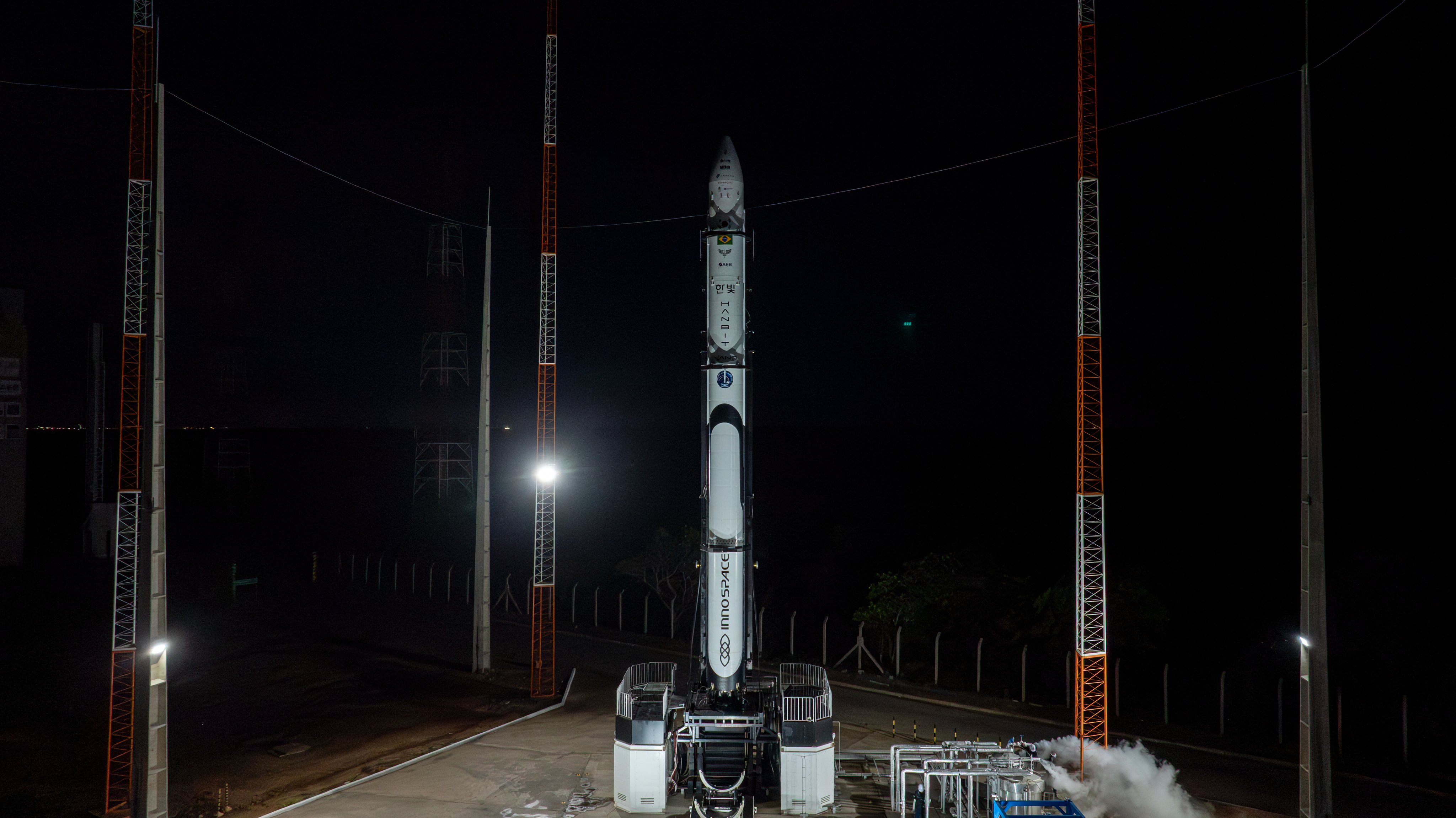
HANBIT-Nano | Flight 2
Innospace | South KoreaAlcântara Space Center, Federative Republic of Brazil
TBD September, 2026

Falcon 9 Block 5 | SDA Tranche 2 Tracking Layer B
SpaceX | United States of AmericaCape Canaveral SFS, FL, USA
TBD September, 2026
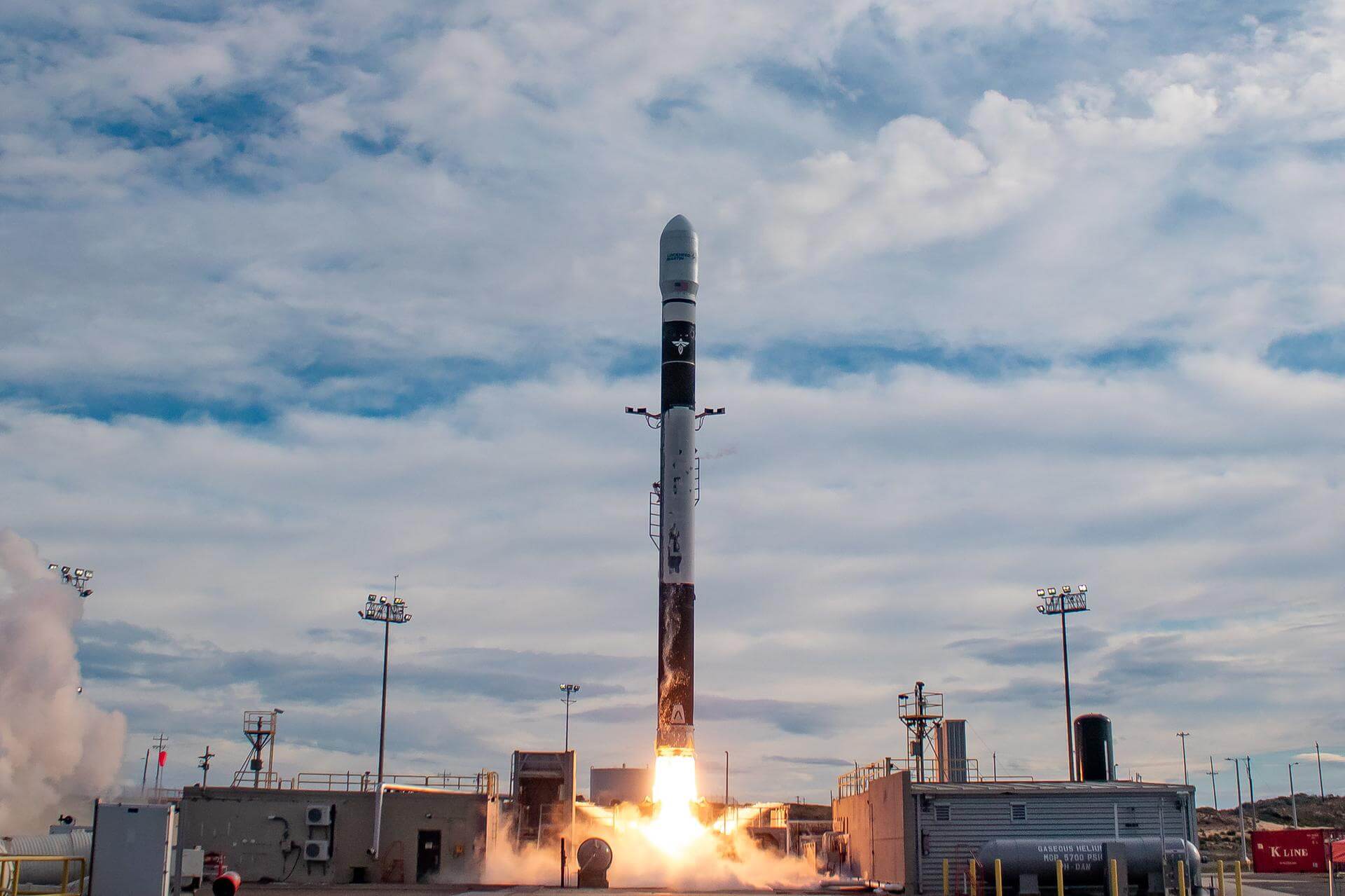
Firefly Alpha Block 2 | QuickSounder
Firefly Aerospace | United States of AmericaVandenberg SFB, CA, USA
TBD September, 2026
Status: To Be Determined
Mission:
QuickSounder is the first satellite mission of the Near Earth Orbit Network (NEON) program of the National Oceanic and Atmospheric Administration (NOAA), which aims to replace the current Joint Polar Satellite System (JPSS) series of polar orbit weather satellites. This pathfinder mission will demonstrate NOAA's ability to launch a small satellite within 3 years, flying a refurbished Advanced Technology Microwave Sounder (ATMS) instrument to polar orbit.
Sun-Synchronous OrbitFalcon 9 Block 5 | O3b mPower 11-13
SpaceX | United States of AmericaCape Canaveral SFS, FL, USA
TBD September, 2026
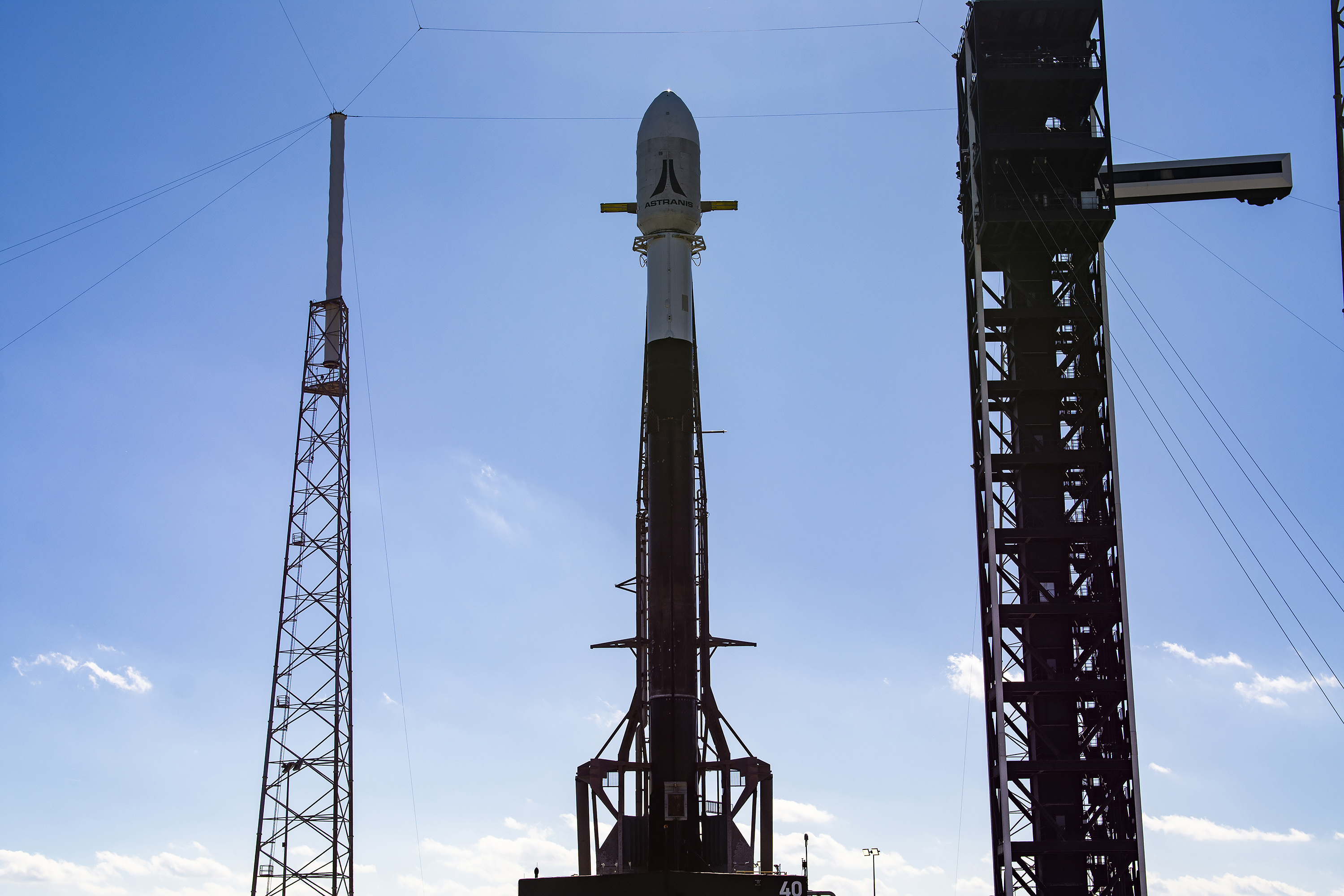
Falcon 9 Block 5 | 5x Astranis MicroGEO
SpaceX | United States of AmericaCape Canaveral SFS, FL, USA
TBD September, 2026
Status: To Be Determined
Mission:
Five Astranis MicroGEO communications satellite to be inserted in a custom geostationary orbit, from where they conduct on-orbit maneuvers to reach their individual slots. The 5 satellites include: * Apco 1 & Apco 2 (Mexico) * Thaicom-9 (Thailand) * 1x for Chunghwa Telecom (Taiwan) * 1x for MB Group (Oman)
Geostationary Transfer OrbitFalcon 9 Block 5 | SDA Tranche 2 Tracking Layer A
SpaceX | United States of AmericaCape Canaveral SFS, FL, USA
TBD September, 2026
Falcon 9 Block 5 | Transporter 18 (Dedicated SSO Rideshare)
SpaceX | United States of AmericaVandenberg SFB, CA, USA
TBD October, 2026
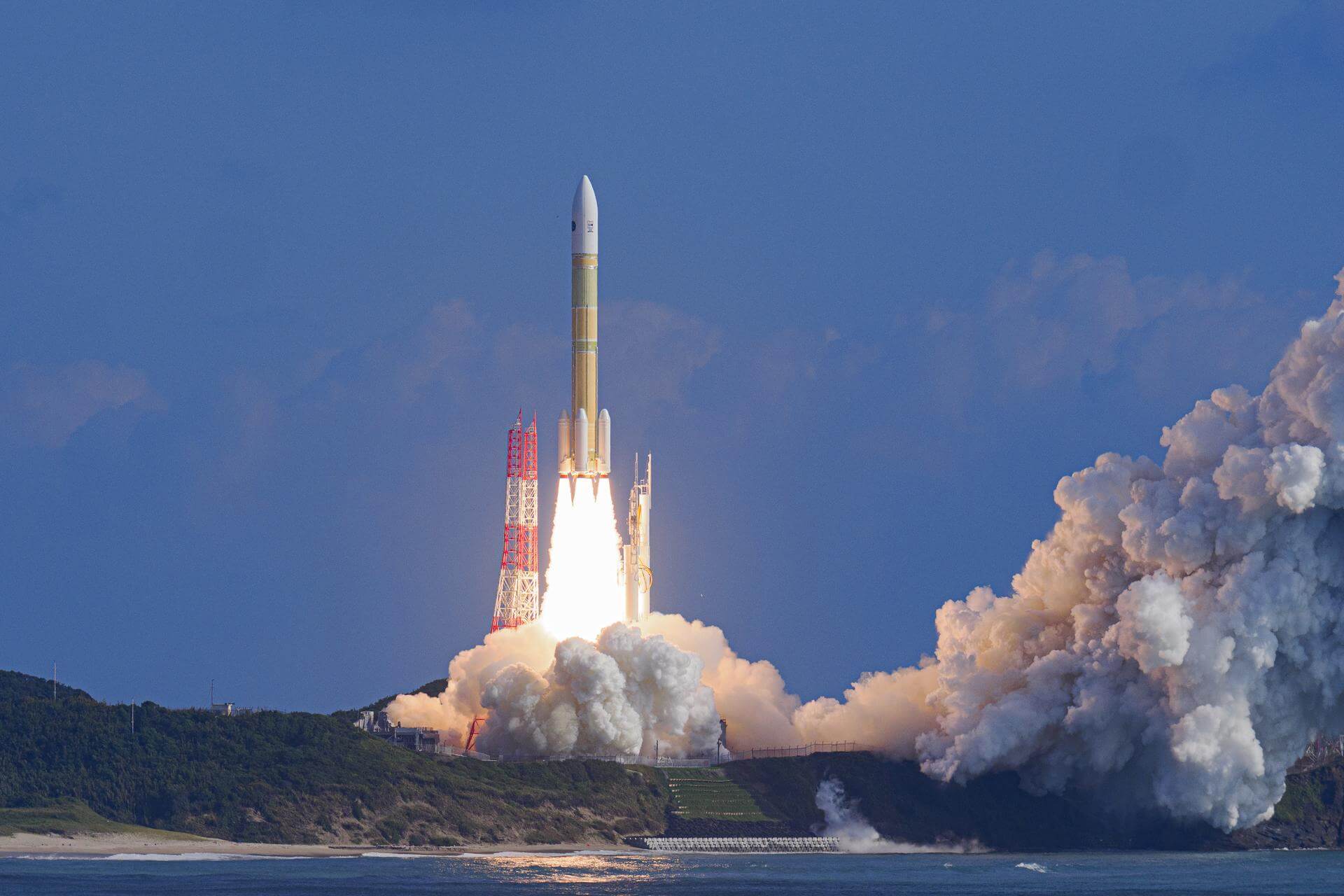
H3-24 | Martian Moon eXplorer (MMX)
Mitsubishi Heavy Industries | JapanTanegashima Space Center, Japan
TBD October, 2026
Firefly Alpha Block 2 | INCUS
Firefly Aerospace | United States of AmericaWallops Flight Facility, Virginia, USA
TBD October, 2026
Status: To Be Determined
Mission:
The Investigation of Convective Updrafts (INCUS) is a NASA Earth science mission led by Colorado State University that will investigate the behavior of tropical storms in order to better represent these storms in weather and climate models. It consists of 3 SmallSats flying in tight coordination to study why convective storms, heavy precipitation, and clouds occur exactly when and where they form. Each satellite will have a high frequency precipitation radar that observes rapid changes in convective cloud depth and intensities. 1 of the 3 satellites also will carry a microwave radiometer to provide the spatial content of the larger scale weather observed by the radars. By flying so closely together, the satellites will use the slight differences in when they make observations to apply a novel time-differencing approach to estimate the vertical transport of convective mass.
Low Earth OrbitFalcon 9 Block 5 | KOMPSAT-7A
SpaceX | United States of AmericaCape Canaveral SFS, FL, USA
TBD November, 2026
Soyuz 2.1b/Fregat-M
16 x Rassvet-3
Unknown Pad - Plesetsk Cosmodrome, Russian FederationNote: Payload identities uncertain. Batch of 16 Rassvet-3 Low Earth Orbit communication satellites for the Russian Byuro-1440 (Bureau 1440) conste…
Falcon 9
Starlink Group 10-46
Space Launch Complex 40 - Cape Canaveral SFS, FL, USAA batch of 29 satellites for the Starlink mega-constellation - SpaceX's project for space-based Internet communication system.
Falcon 9
Starlink Group 17-24
Space Launch Complex 4E - Vandenberg SFB, CA, USAA batch of 25 satellites for the Starlink mega-constellation - SpaceX's project for space-based Internet communication system.
Kuaizhou 11
8 satellites
Launch Area 95A - Jiuquan Satellite Launch Center, People's Republic of ChinaRide-share launch of 8 satellites to sun-synchronous orbit: * Juntian-1-04A * Dongpo-11 * Dongpo-12 * Dongpo-16 * Weitong-1-01 * Xiguang-1-06…
Long March 6A
Yaogan 50-02
Launch Complex 9A - Taiyuan Satellite Launch Center, People's Republic of ChinaThe Yaogan 50-02 is a Chinese military “remote sensing” satellite of unknown purposes.
Falcon 9
Starlink Group 10-48
Space Launch Complex 40 - Cape Canaveral SFS, FL, USAA batch of 29 satellites for the Starlink mega-constellation - SpaceX's project for space-based Internet communication system.
Falcon 9
Starlink Group 17-31
Space Launch Complex 4E - Vandenberg SFB, CA, USAA batch of 25 satellites for the Starlink mega-constellation - SpaceX's project for space-based Internet communication system.
Long March 2D
Shiyan 30 03-04
Launch Complex 3 (LC-3/LA-1) - Xichang Satellite Launch Center, People's Republic of ChinaA pair of Chinese satellites reported to be for "Earth observation technological testing and validation" purposes. Actual usage not known.
Long March 8A
SatNet LEO Group 20
Commercial LC-1 - Wenchang Space Launch Site, People's Republic of ChinaA batch of 9 Low Earth Orbit communication satellites for the Chinese state owned SatNet constellation operated by the China Satellite Network Group.…
Firefly Alpha
Stairway to Seven
Space Launch Complex 2W - Vandenberg SFB, CA, USAFirefly Alpha's Flight 7 is a test flight and return-To-Flight for the launch vehicle after its April 2025 launch failure. It will test and validate …

