Upcoming Spaceflight Launches
Filter by Agency, Locations or Vehicles
Show All Launches
Falcon 9 Block 5 | Rivada 10
SpaceX | United States of AmericaVandenberg SFB, CA, USA
TBD June, 2026
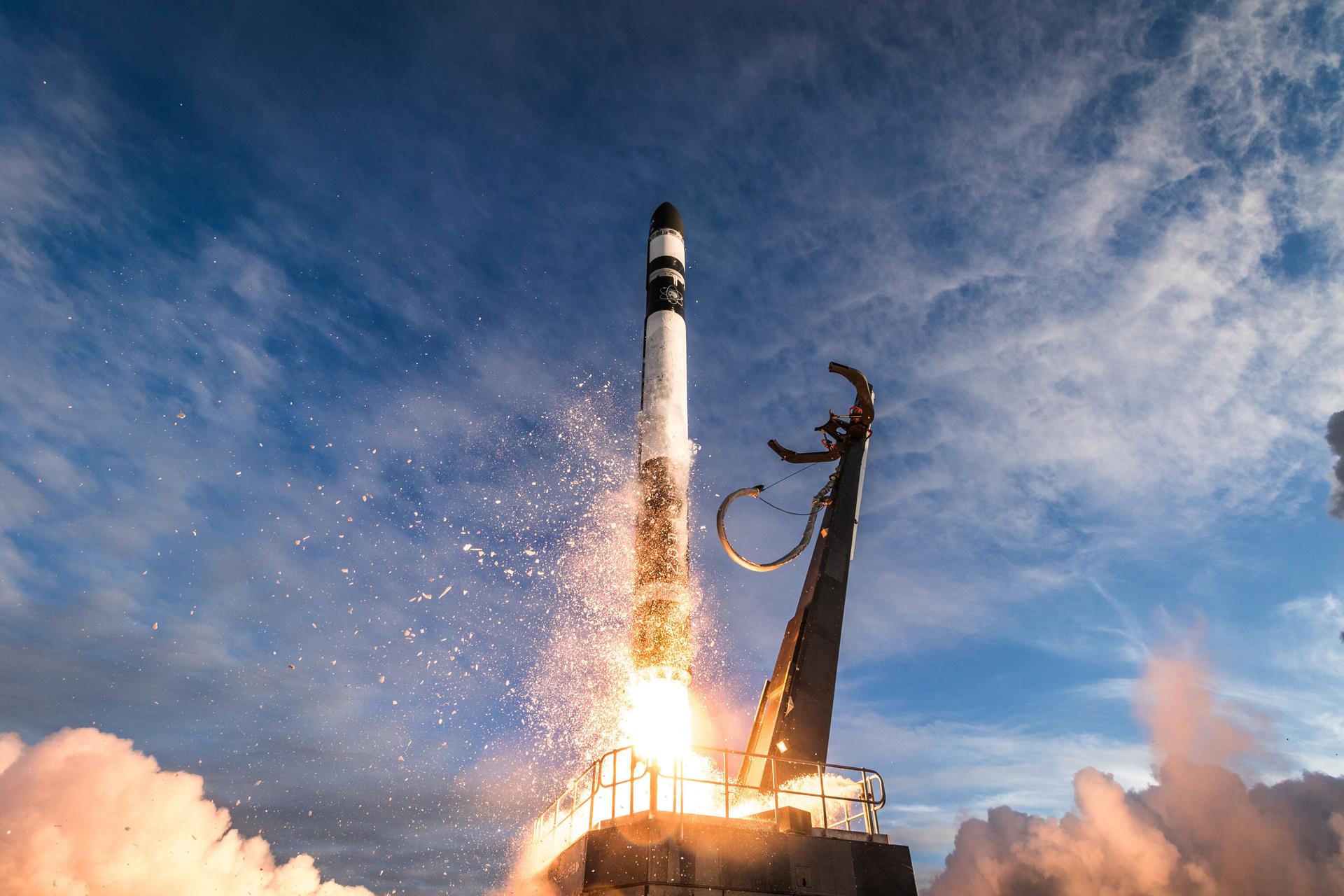
Electron | VICTUS HAZE Puma
Rocket Lab | United States of AmericaRocket Lab Launch Complex 1, Mahia Peninsula, New Zealand
TBD June, 2026
Status: To Be Determined
Mission:
VICTUS HAZE will see Rocket Lab design, build, launch, and operate a rendezvous proximity operation (RPO) capable spacecraft. U.S. Space Force Space Systems Command (SSC)’s Space Safari’s VICTUS HAZE mission will be an exercise of a realistic threat-response scenario and on-orbit space domain awareness (SDA) demonstration. Once the spacecraft build is complete, Rocket Lab will be entered into a Hot Standby Phase awaiting further direction. Once the exercise begins, Rocket Lab will be given notice to launch the spacecraft into a target orbit. After reaching orbit, the spacecraft will be rapidly commissioned and readied for operations. Rocket Lab will configure a Pioneer class spacecraft bus to meet the unique requirements of the VICTUS HAZE mission. The mission will improve Tactically Responsive Space (TacRS) processes and timelines, demonstrating the ability to respond to on-orbit threats on very short timelines and validating techniques for space domain awareness (SDA) and on-orbit characterization. Rocket Lab’s constellation-class production capability and discriminating technical capabilities in the areas of in-space propulsion, precision attitude control, low latency communications, and autonomous operations are key enablers for this mission.
Low Earth Orbit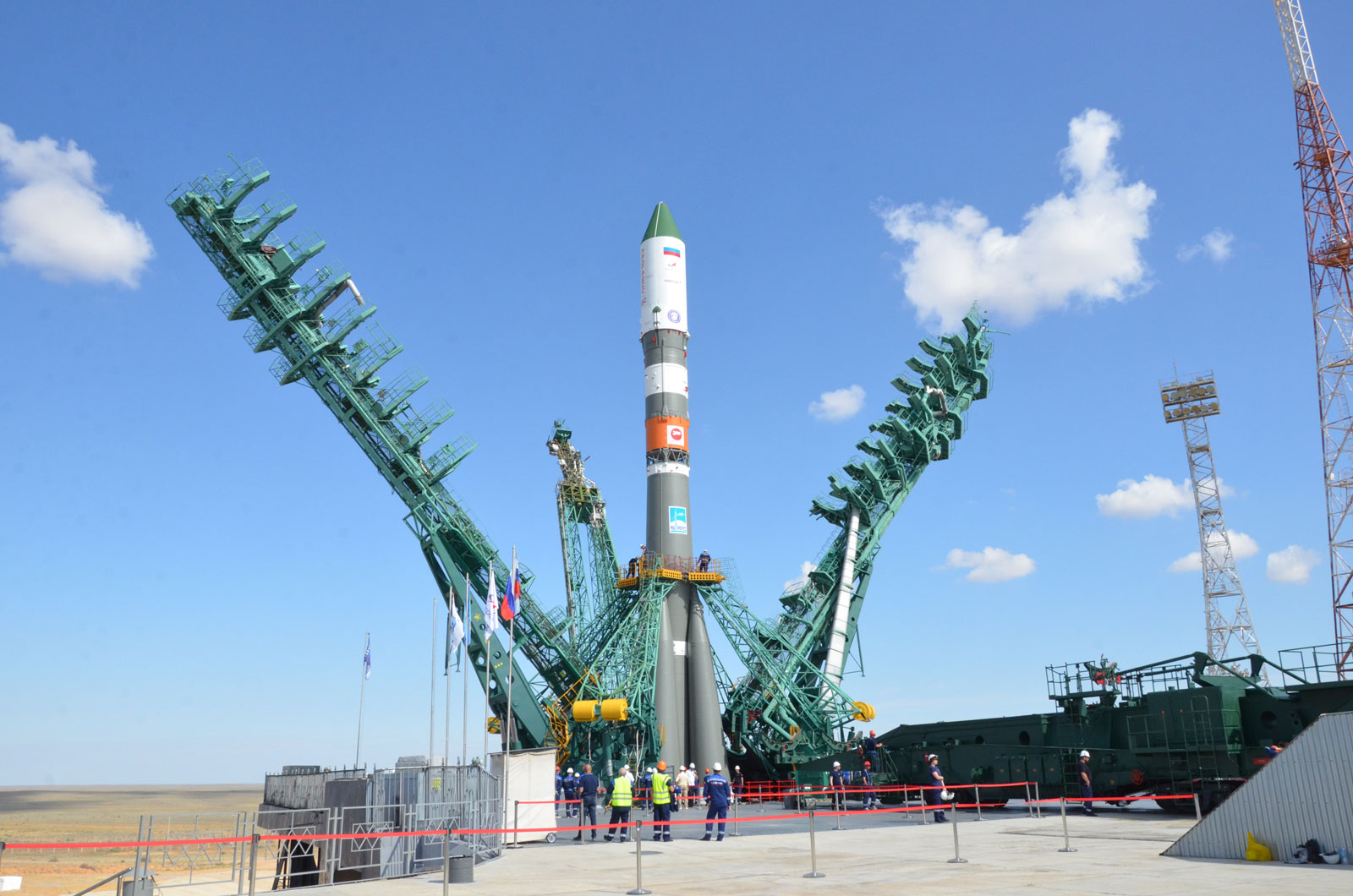
Soyuz 2.1a | Soyuz MS-29
Progress Rocket Space Center | RussiaBaikonur Cosmodrome, Republic of Kazakhstan
July 14, 2026
Status: To Be Confirmed
Mission:
Soyuz MS-29 will carry three cosmonauts and one astronaut to the International Space Station aboard the Soyuz spacecraft from the Baikonur Cosmodrome in Kazakhstan. The crew consists of Roscosmos cosmonauts Pyotr Dubrov and Anna Kikina, as well as NASA astronaut Anil Menon.
Low Earth Orbit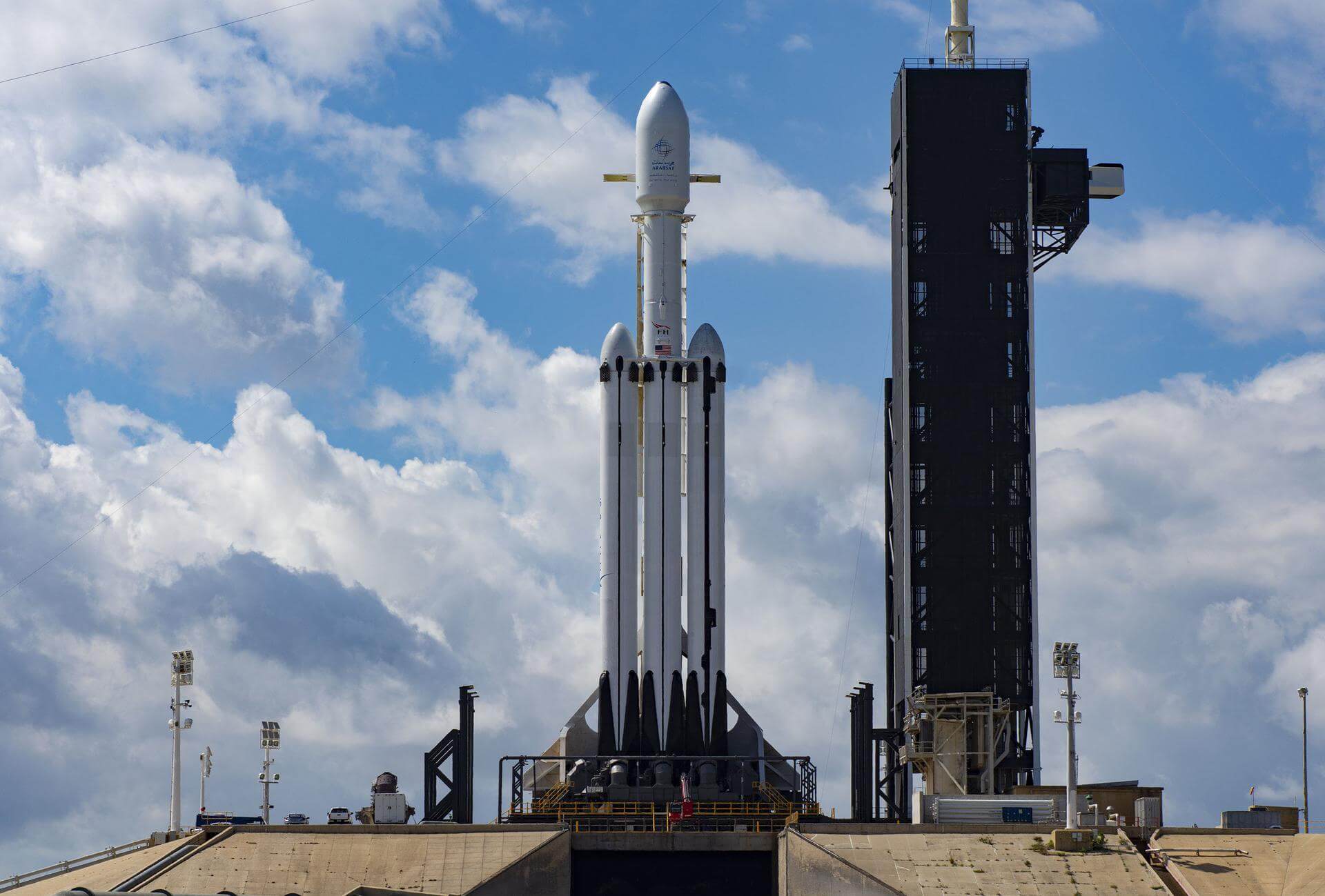
Falcon Heavy | Griffin Mission One
SpaceX | United States of AmericaKennedy Space Center, FL, USA
TBD July, 2026
Status: To Be Determined
Mission:
Demonstration flight of the Astrobotic Griffin lander and its engines, initially contracted for the cancelled NASA VIPER (Volatiles Investigating Polar Exploration Rover) mission. The vacated payload spot will now host the FLIP (FLEX Lunar Innovation Platform) lunar rover from Astrolab.
Lunar Orbit Unknown FH - Maiden Flight Unknown Unknown FH - Maiden Flight Unknown Unknown FH - Maiden Flight Unknown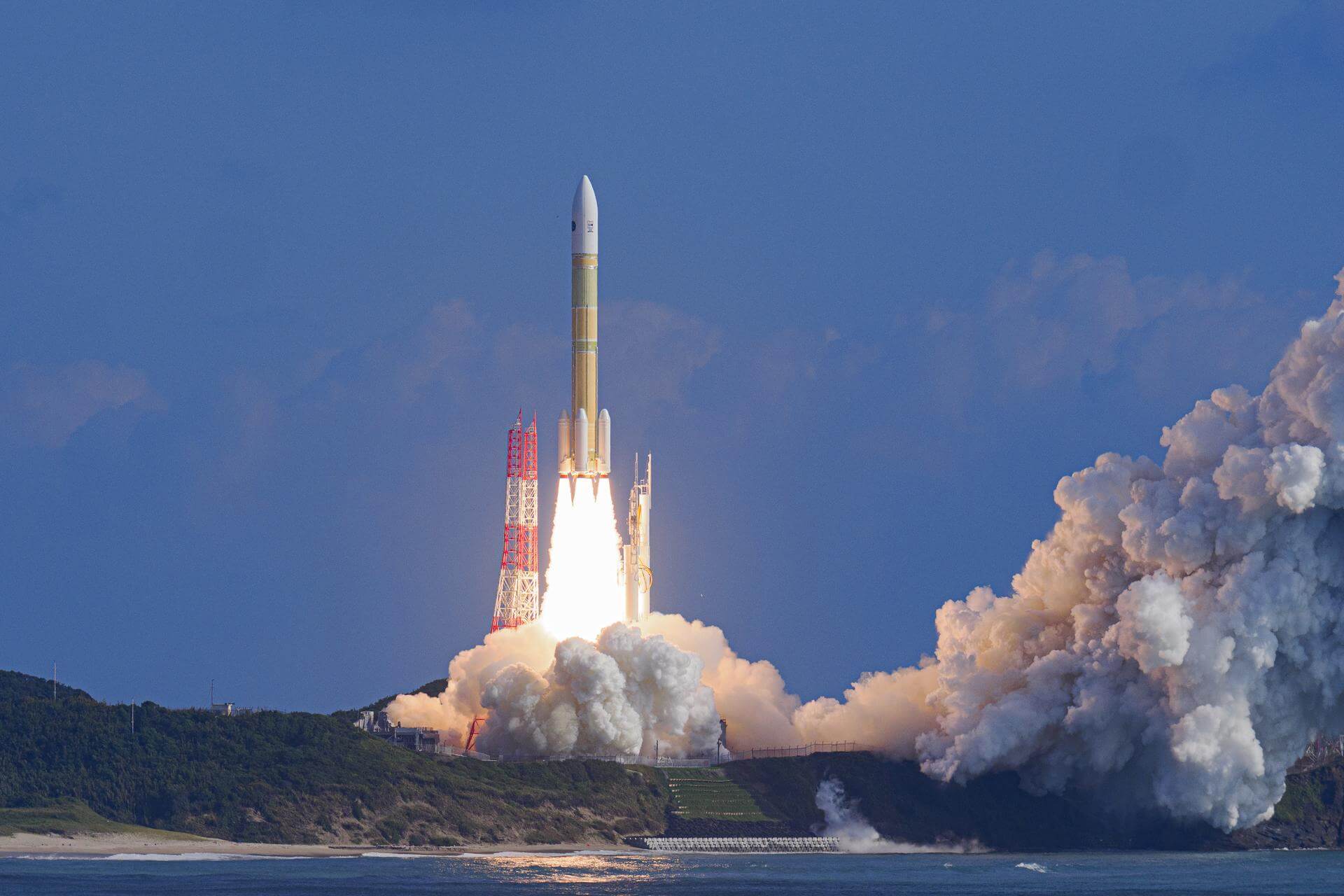
H3-24 | HTV-X2
Mitsubishi Heavy Industries | JapanTanegashima Space Center, Japan
TBD July, 2026
Electron | Aspera
Rocket Lab | United States of AmericaRocket Lab Launch Complex 1, Mahia Peninsula, New Zealand
TBD August, 2026
Status: To Be Determined
Mission:
Aspera houses an ultraviolet telescope and will examine hot gas in the intergalactic medium, thought to be contributing to the birth of stars and planets. Aspera will be the first NASA astrophysics mission to gather and map these ultraviolet light signatures, potentially unlocking a deeper understanding of the origins of stars, planets, and life in the universe.
Low Earth OrbitFalcon 9 Block 5 | SDA Tranche 2 Transport Layer A
SpaceX | United States of AmericaVandenberg SFB, CA, USA
TBD August, 2026
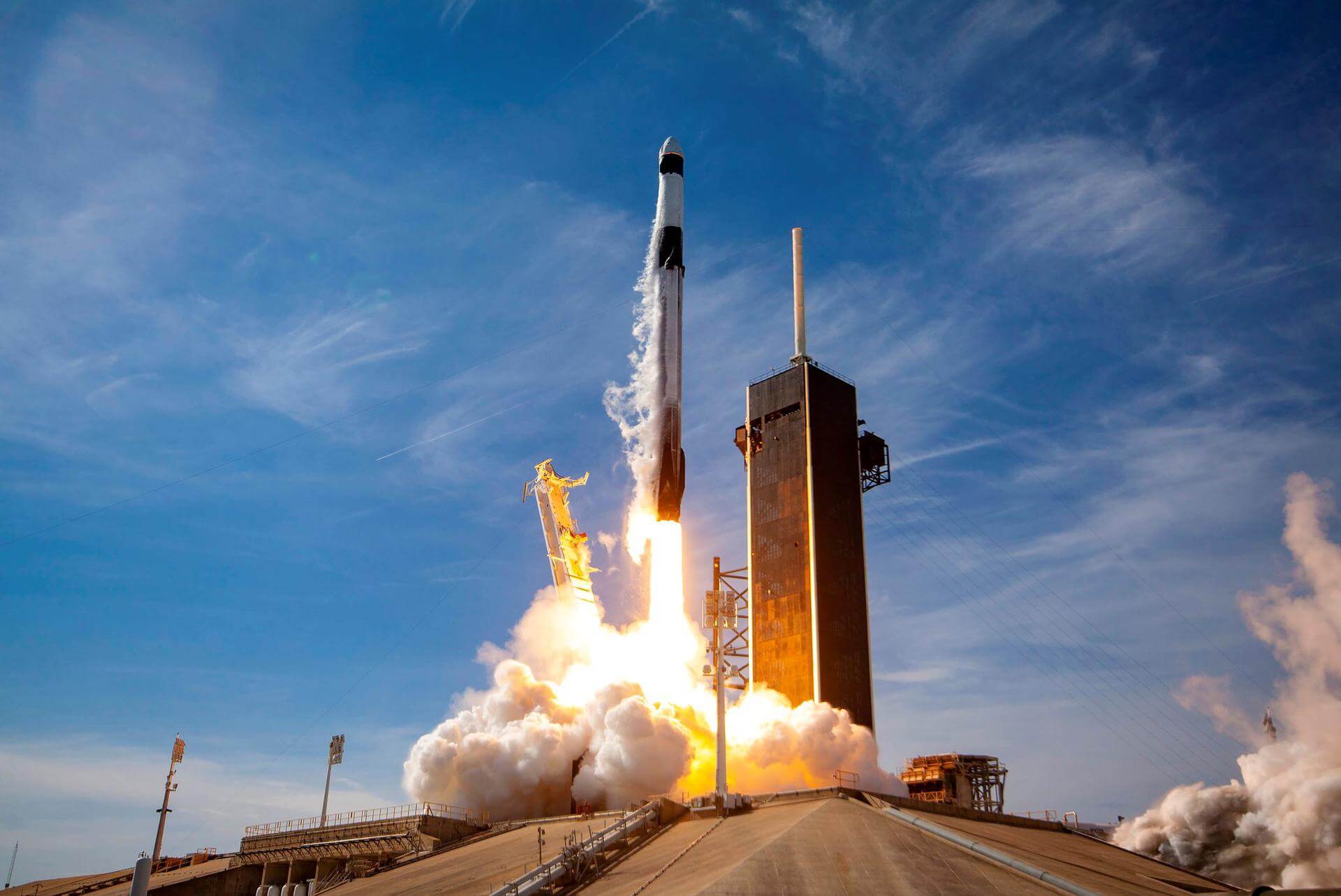
Falcon 9 Block 5 | Dragon CRS-2 SpX-35
SpaceX | United States of AmericaCape Canaveral SFS, FL, USA
TBD August, 2026
Status: To Be Determined
Mission:
35th commercial resupply services mission to the International Space Station operated by SpaceX. The flight will be conducted under the second Commercial Resupply Services contract with NASA. Cargo Dragon 2 brings supplies and payloads, including critical materials to directly support science and research investigations that occur onboard the orbiting laboratory.
Low Earth Orbit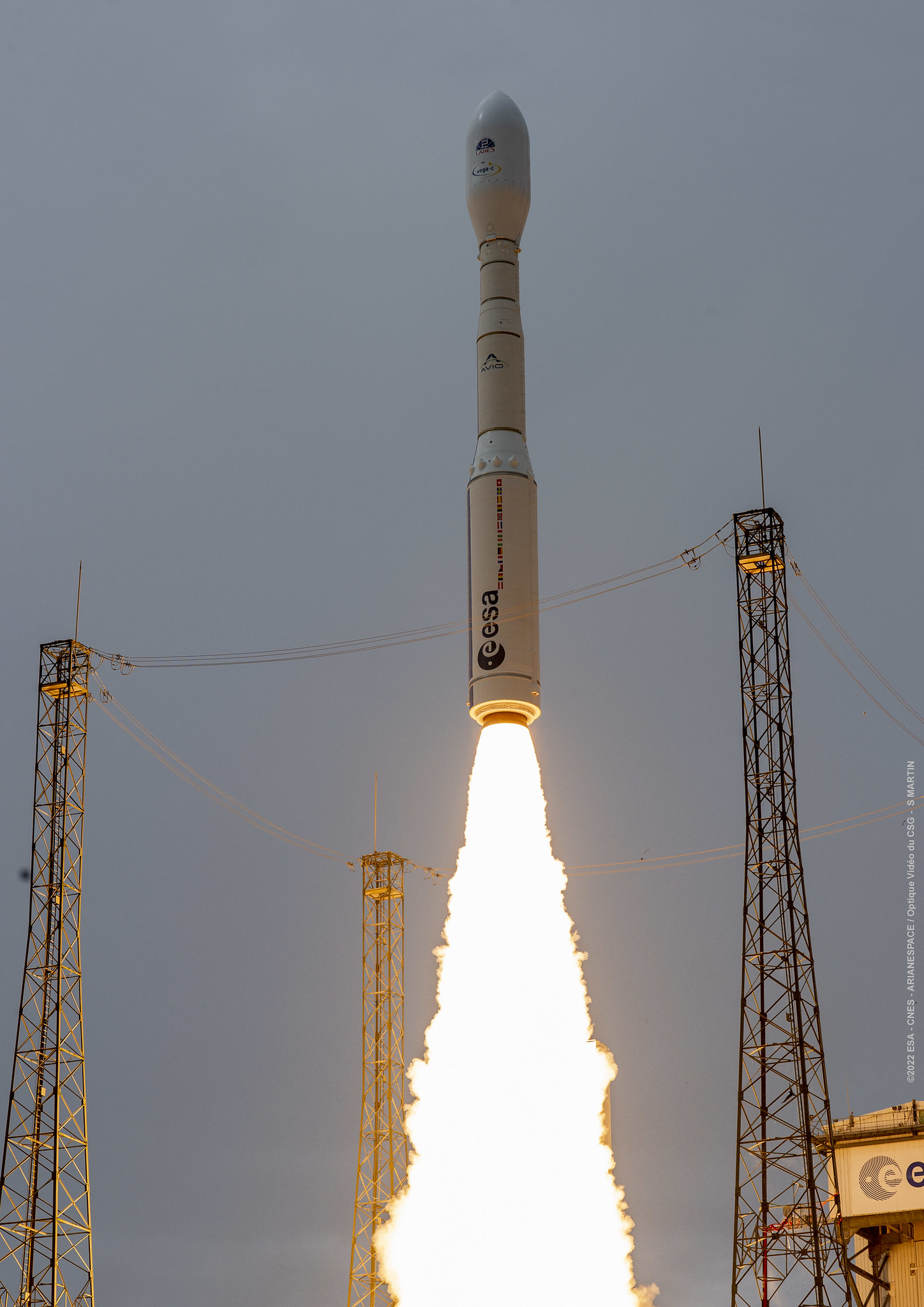
Vega-C | Sentinel-3C & FLEX
Avio S.p.A | ItalyGuiana Space Centre, French Guiana
TBD September, 2026
Status: To Be Determined
Mission:
Sentinel-3C is the third satellite in the Sentinel-3 constellation, which provides high-accuracy optical, radar and altimetry data for marine and land services. The Fluorescence Explorer (FLEX) satellite is a part of ESA's Earth Explorer program. The satellite will map vegetation fluorescence to quantify photosynthetic activity.
Sun-Synchronous OrbitFalcon Heavy | Nancy Grace Roman Space Telescope
SpaceX | United States of AmericaKennedy Space Center, FL, USA
TBD September, 2026
Status: To Be Determined
Mission:
The Nancy Grace Roman Space Telescope is a NASA infrared space telescope with a 2.4 m (7.9 ft) wide field of view primary mirror and two scientific instruments. The Wide-Field Instrument (WFI) is a 300.8-megapixel multi-band visible and near-infrared camera, providing a sharpness of images comparable to that achieved by the Hubble Space Telescope over a 0.28 square degree field of view, 100 times larger than imaging cameras on the Hubble. The Coronagraphic Instrument (CGI) is a high-contrast, small field of view camera and spectrometer covering visible and near-infrared wavelengths using novel starlight-suppression technology. Roman objectives include a search for extra-solar planets using gravitational microlensing, and probing the expansion history of the Universe and the growth of cosmic structure, with the goal of measuring the effects of dark energy, the consistency of general relativity, and the curvature of spacetime.
Sun-Earth L2Falcon 9
Starlink Group 10-33
Space Launch Complex 40 - Cape Canaveral SFS, FL, USAA batch of 29 satellites for the Starlink mega-constellation - SpaceX's project for space-based Internet communication system.
Falcon 9
Starlink Group 10-46
Space Launch Complex 40 - Cape Canaveral SFS, FL, USAA batch of 29 satellites for the Starlink mega-constellation - SpaceX's project for space-based Internet communication system.
Falcon 9
Starlink Group 17-24
Space Launch Complex 4E - Vandenberg SFB, CA, USAA batch of 25 satellites for the Starlink mega-constellation - SpaceX's project for space-based Internet communication system.
Kuaizhou 11
8 satellites
Launch Area 95A - Jiuquan Satellite Launch Center, People's Republic of ChinaRide-share launch of 8 satellites to sun-synchronous orbit: * Juntian-1-04A * Dongpo-11 * Dongpo-12 * Dongpo-16 * Weitong-1-01 * Xiguang-1-06…
Long March 6A
Yaogan 50-02
Launch Complex 9A - Taiyuan Satellite Launch Center, People's Republic of ChinaThe Yaogan 50-02 is a Chinese military “remote sensing” satellite of unknown purposes.
Falcon 9
Starlink Group 10-48
Space Launch Complex 40 - Cape Canaveral SFS, FL, USAA batch of 29 satellites for the Starlink mega-constellation - SpaceX's project for space-based Internet communication system.
Falcon 9
Starlink Group 17-31
Space Launch Complex 4E - Vandenberg SFB, CA, USAA batch of 25 satellites for the Starlink mega-constellation - SpaceX's project for space-based Internet communication system.
Long March 2D
Shiyan 30 03-04
Launch Complex 3 (LC-3/LA-1) - Xichang Satellite Launch Center, People's Republic of ChinaA pair of Chinese satellites reported to be for "Earth observation technological testing and validation" purposes. Actual usage not known.
Long March 8A
SatNet LEO Group 20
Commercial LC-1 - Wenchang Space Launch Site, People's Republic of ChinaA batch of 9 Low Earth Orbit communication satellites for the Chinese state owned SatNet constellation operated by the China Satellite Network Group.…
Firefly Alpha
Stairway to Seven
Space Launch Complex 2W - Vandenberg SFB, CA, USAFirefly Alpha's Flight 7 is a test flight and return-To-Flight for the launch vehicle after its April 2025 launch failure. It will test and validate …

